Mumps. Yes, yet another implementation that seems to even implement some of the archaic job controls and other obscure artifacts. Well, since NoSQL, Mumps is probably respectable again. However, you have to compile this yourself, as there are no binaries directly available for OSX.
Archive 14.1.2013 - 2.3.2013
Mumps/II MultiDimensional and Hierarchical Toolkit. Yes, I'm back to absurd programming languages and found a Mumps that is open source and runs on various systems. I don't know what I'll do with it, but it will have to be something painful.
Since I was just talking about Koken, I switched my photo test site and uploaded some pictures: Hugos House of Photo Horror. I must say, I'm impressed. The included themes are really good and the backend is light years ahead of what Wordpress has to offer in media management. And the Lightroom integration works perfectly. This could really be something for the long term, let's see how it behaves in operation.
Koken - Creative website publishing. Already tweeted about this yesterday, find this quite interesting - looks good and the Lightroom Publish Plugin sounds very interesting as well. I'm considering whether I might need a photo-centric system instead of WordPress, at least for all my pictures. And a usable integration with Lightroom would make a lot of things easier. Especially since the last WordPress update destroyed my photo workflow.
Arduino Camera Shield | Arduino Based Camera. And more on a DIY Arduino camera. Here is a controller with LCD display to control various camera modules.
Craft Camera by Coralie Gourguechon | mocovote.com. Ok, I want to build this. Definitely. Even if it's only VGA resolution. Just because it's cool. Yes, the camera is more expensive through the individual parts than a finished camera. Still cool!
Slic3r is Nicer - Part 1 - Settings and Extruder Calibration provides good tips for calibrating and configuring 3D printers.
PhysibleExchange - Popular. Another place where you can find 3D models for 3D printing. This one has some really practical things, not just toys.
pcDuino arduino compatible headers. Hmm, not uninteresting - an ARM-based single-board PC with an Arduino-compatible header for connecting and controlling Arduino shields. And the computing power is already quite decent. Just like the basic equipment with interfaces.
Pudb 2012.3: CUI Debugger for Python. On servers, you don't always have the option to start heavy IDEs or even have graphical displays. The alternative - debugging with pdb in the console - is not always great either. And remote debugging doesn't always work as desired depending on firewalls and gateway computers. It's nice when someone takes the trouble to build CUIs for debuggers.
Reconstruct your world with ReconstructMe. Hey, cool, 3D scanning with Kinect. This actually makes it suitable for hobbyists - although the question is whether you can meaningfully scan things smaller than head size with it, as the Kinect is designed for larger scanning areas.
foosel/OctoPrint at devel · GitHub. Also nice - a 3D printer control program that runs on a web server and can be installed on a RaspberryPi. Add a WiFi module and a small nice case and you can set up your 3D printer in the next room or basement and print comfortably from the sofa. Then connect a USB webcam and you can also watch it print from there.
usb-serial-for-android - Android USB host serial driver library for CDC, FTDI, Arduino and other devices. - Google Project Hosting. Very nice, this will certainly be interesting when I delve deeper into the Arduinos. Maybe it even works with the DigiSpark. Building control consoles for Arduino projects with Android would certainly be quite practical.
Recently on the Internet (Black and White Edition)















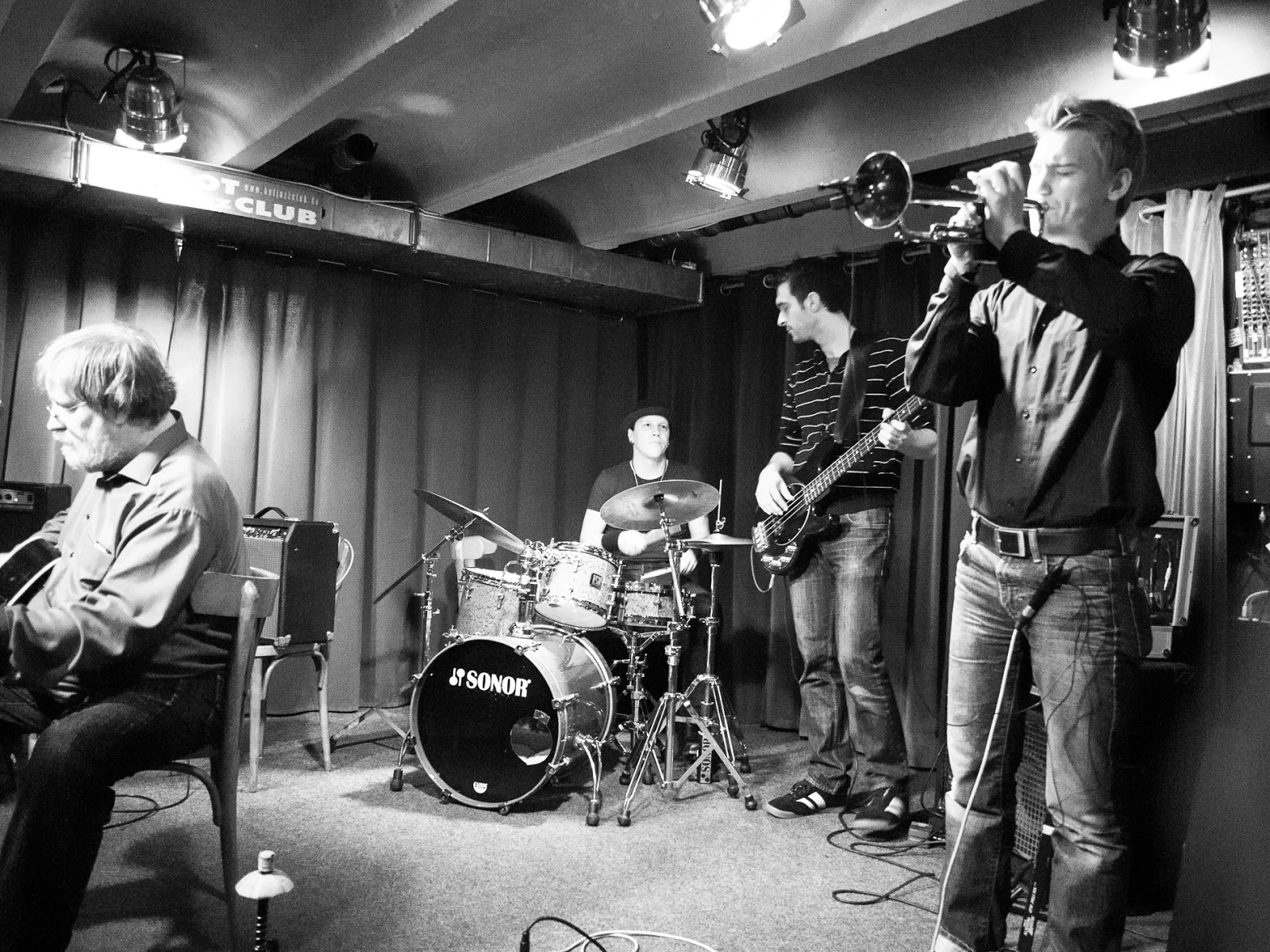
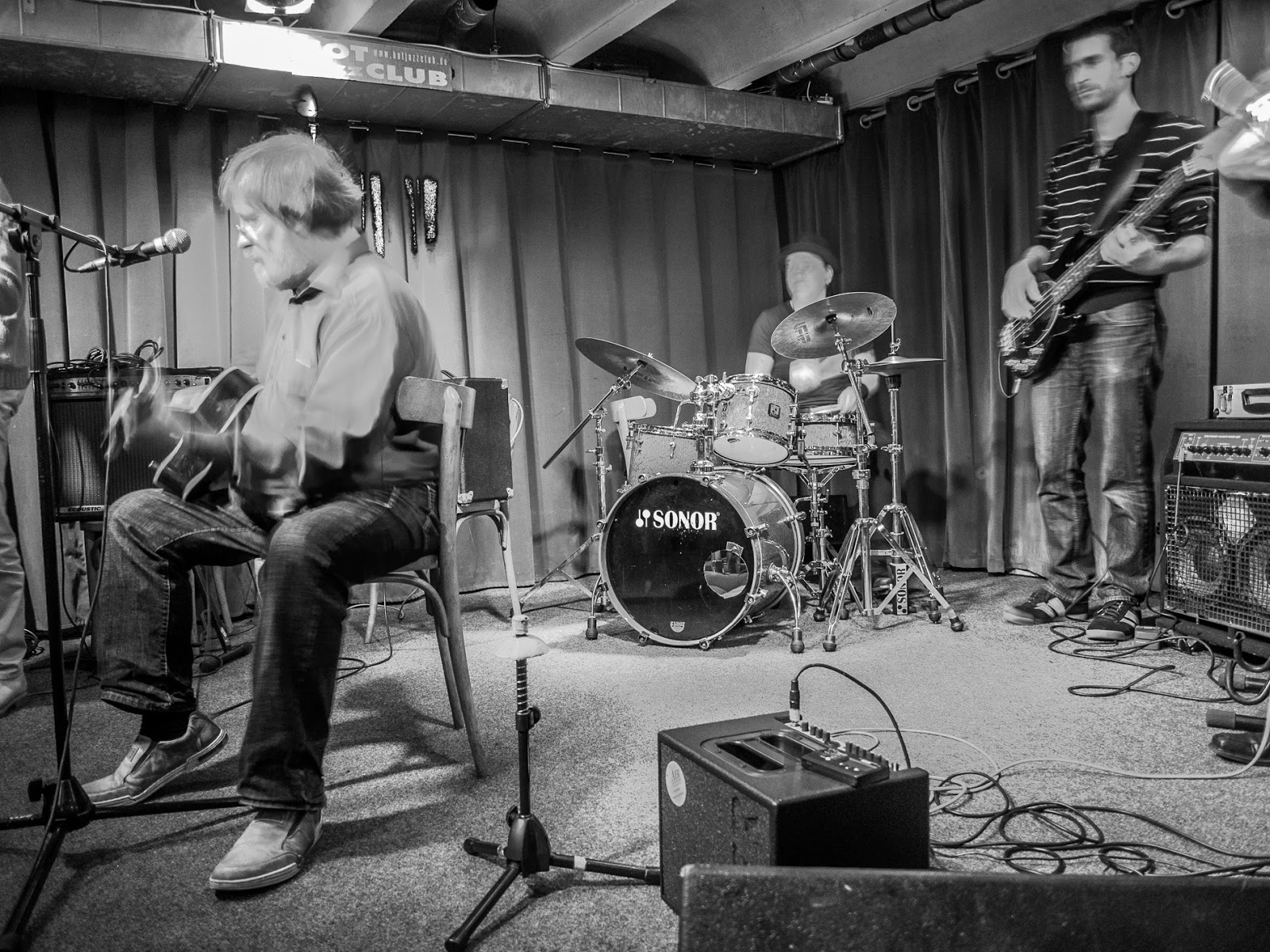
I have uploaded new pictures to Google+ and/or Flickr. Here they are - unsorted and uncommented. This is the black and white edition.
Write Yourself a Haskell... in Lisp 17 February 2013. I always find this kind of thing exciting, even if I have to admit that I probably won't do anything with it. Still, it's interesting to read.
Controlling Arduino with Android using Processing. This way, you can quickly build a control system and a matching console for the Android phone with simple sketches, without having to pull out the big IDE. And since the Arduino environment is also based on Processing (at least the surface of the programming environment), it should be easy for both Processing and Arduino fans to understand the other side.
Cura. This would be software that can make the printing process more efficient - an all-in-one package with integrated model preview, slicing, printing and all kinds of parameters. And also available across systems (which I am always excited about: almost all software in this area is available across systems).
3ders.org - Infographic: step-by-step guide for 3D printing with a RepRap. Nice little overview of what all needs to happen for 3D printing. Certainly, some of this can be made more efficient with the right software choice, but in one form or another, everything is involved.
328eForth. Hmm, whether this will catch on is questionable. Commercial Forth systems have rarely been successful. On the other hand, the description sounds quite interesting. But somehow, I would almost rather cobble together a Forth myself.
AmForth: Atmega Forth. Wow, cool! A Forth for the ATMega chip used in Arduinos. I think I should look into this for my Digisparks to see if I can get it to work.
Industruino. Cool project that provides Arduino solutions in a housing for wall and rail mounting. Comes with control buttons and LCD display at a very reasonable price. Currently still in beta and without I2C support, but already interesting if you want to have an Arduino in permanent use somewhere.
Sync API - Dropbox. Finally, a normal sync for Android and iOS. So far, you had to program the sync more or less yourself, but I like this much better when you can simply write local files on mobile devices and the sync then happens automatically in the background.
Wings 3D | A Polygon Modeler. So, I need to take another look at this - it impressed me back then for SL, but it wasn't quite perfect because the exporters were a bit finicky. But it could be quite interesting for 3D printing again.
FreeCAD: An Open Source parametric 3D CAD modeler. And since I'm currently collecting 3D software, here's another free (this time also Open Source) software for technical models. I should definitely take a closer look at it.
Pixologic :: Sculptris. Another modeler and this one interests me particularly - it is a stripped-down, free (as in free beer) version of ZBrush. I do have an older ZBrush license floating around, but for my plans this one would probably be more than sufficient.
OpenSCAD - The Programmers Solid 3D CAD Modeller. Not uninteresting - a parametric, non-interactive CAD system. Basically, you feed in a base and write scripts that then use this base. Or you work directly with scripts that combine models from solids. For technical elements, this can be much clearer and more flexible than interactive CAD systems.
dashclock - Lock screen clock widget for Android 4.2+ - Google Project Hosting. I'm not a big fan of lock screen widgets, but this one is visually quite nice, expandable, and open source. This could work.
php.js - PHP VM with JavaScript. Simply move PHP execution to the browser. Hey, then the security vulnerabilities in PHP will only have local effects for the user and no longer for the server!
Berlin Again
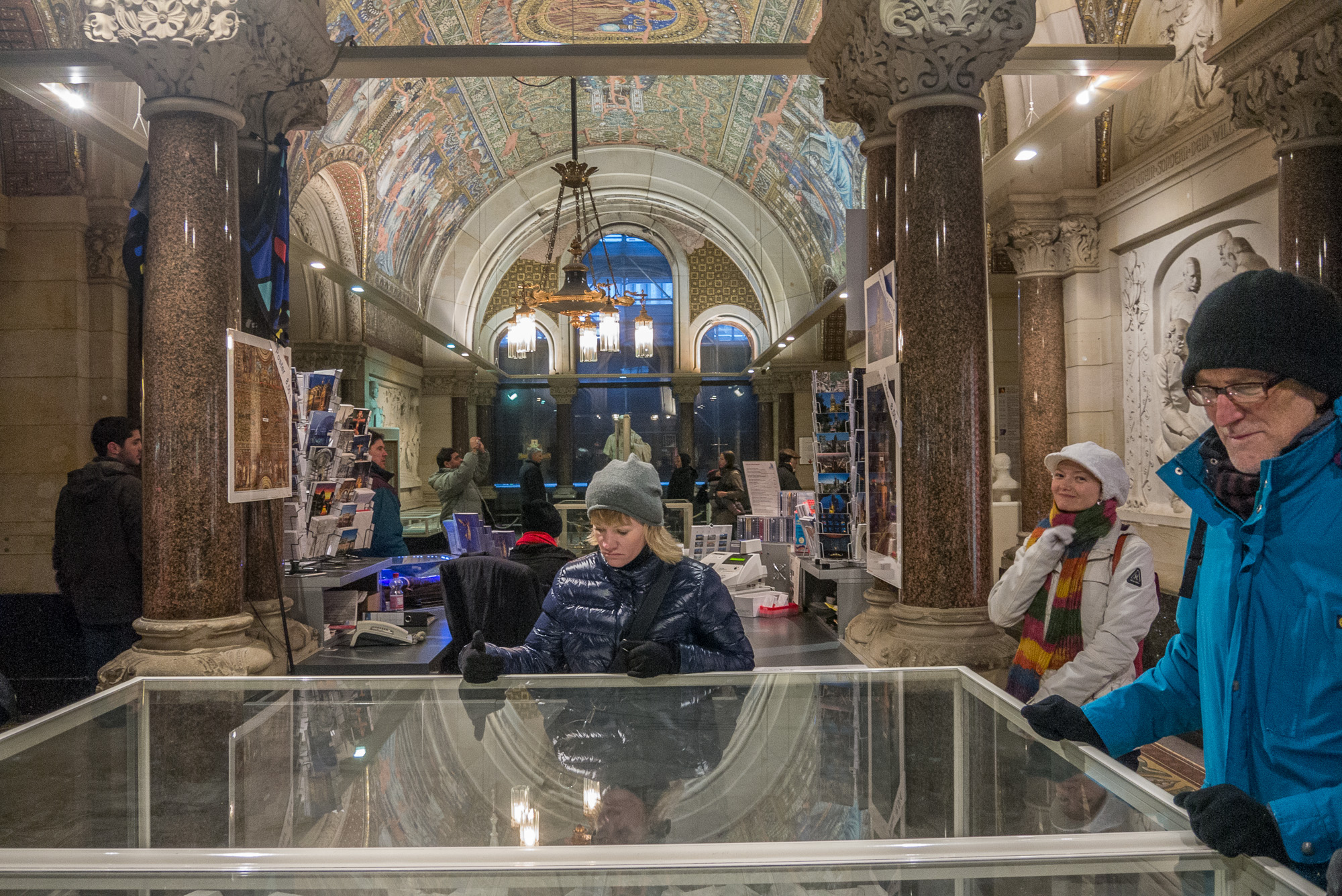
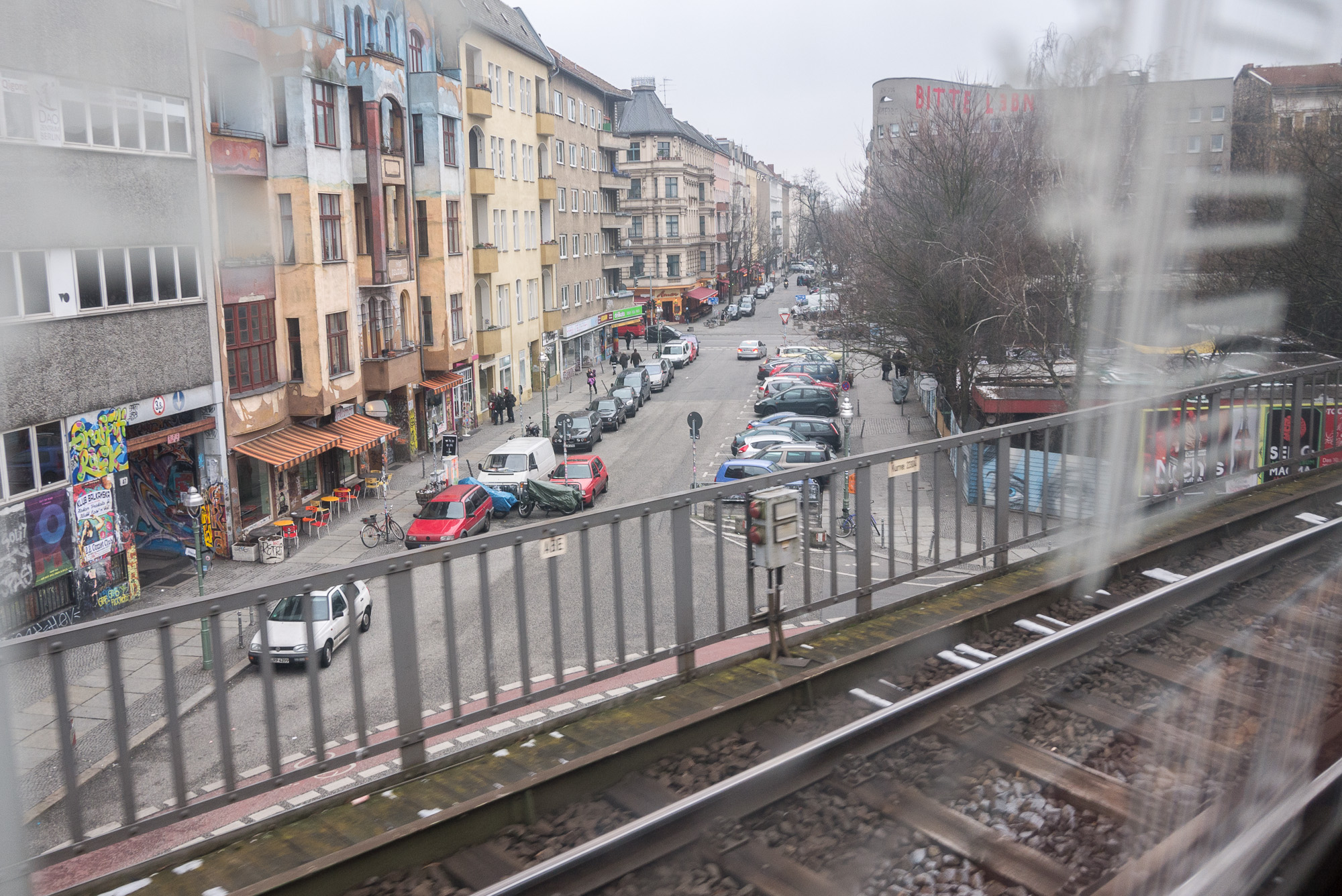

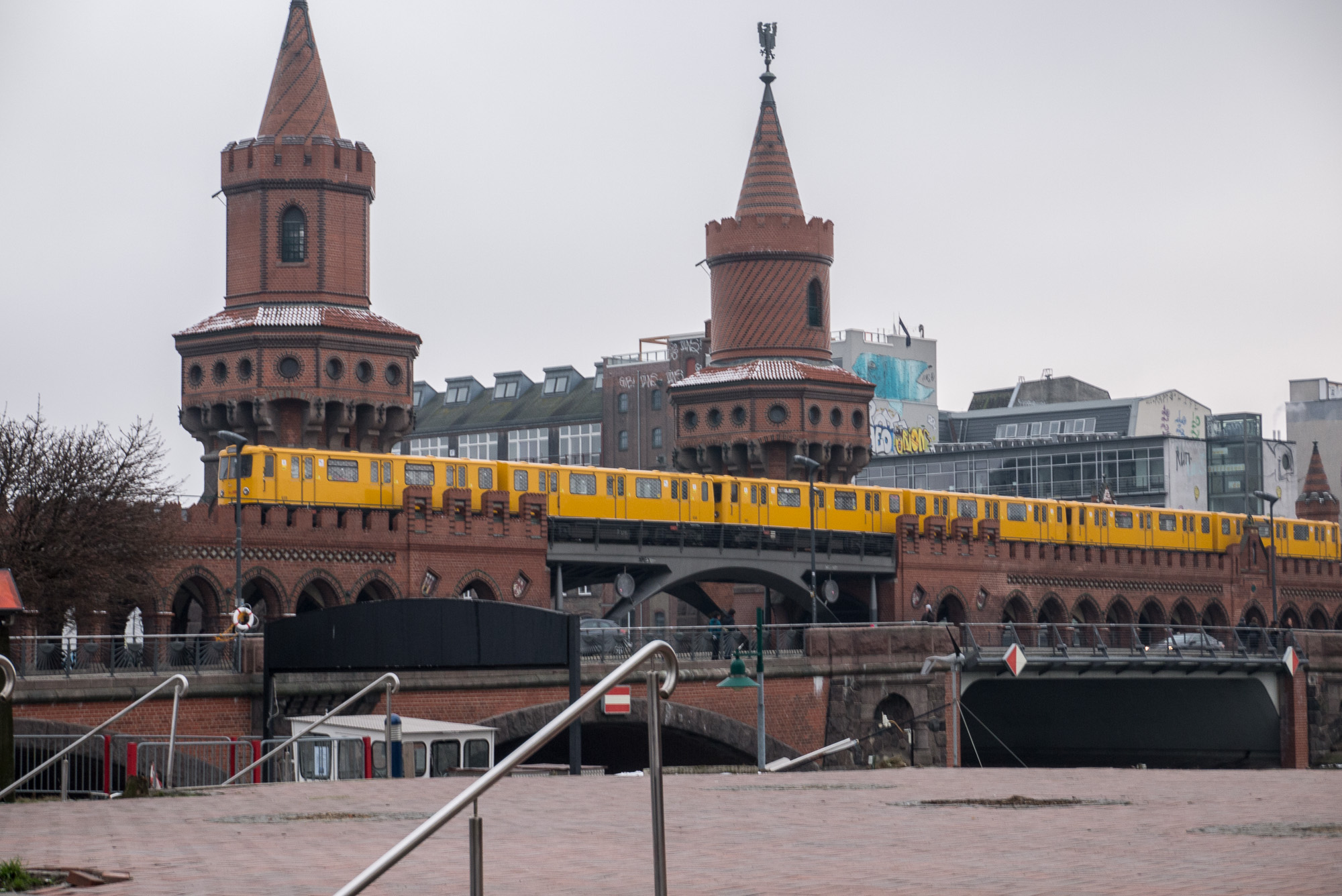




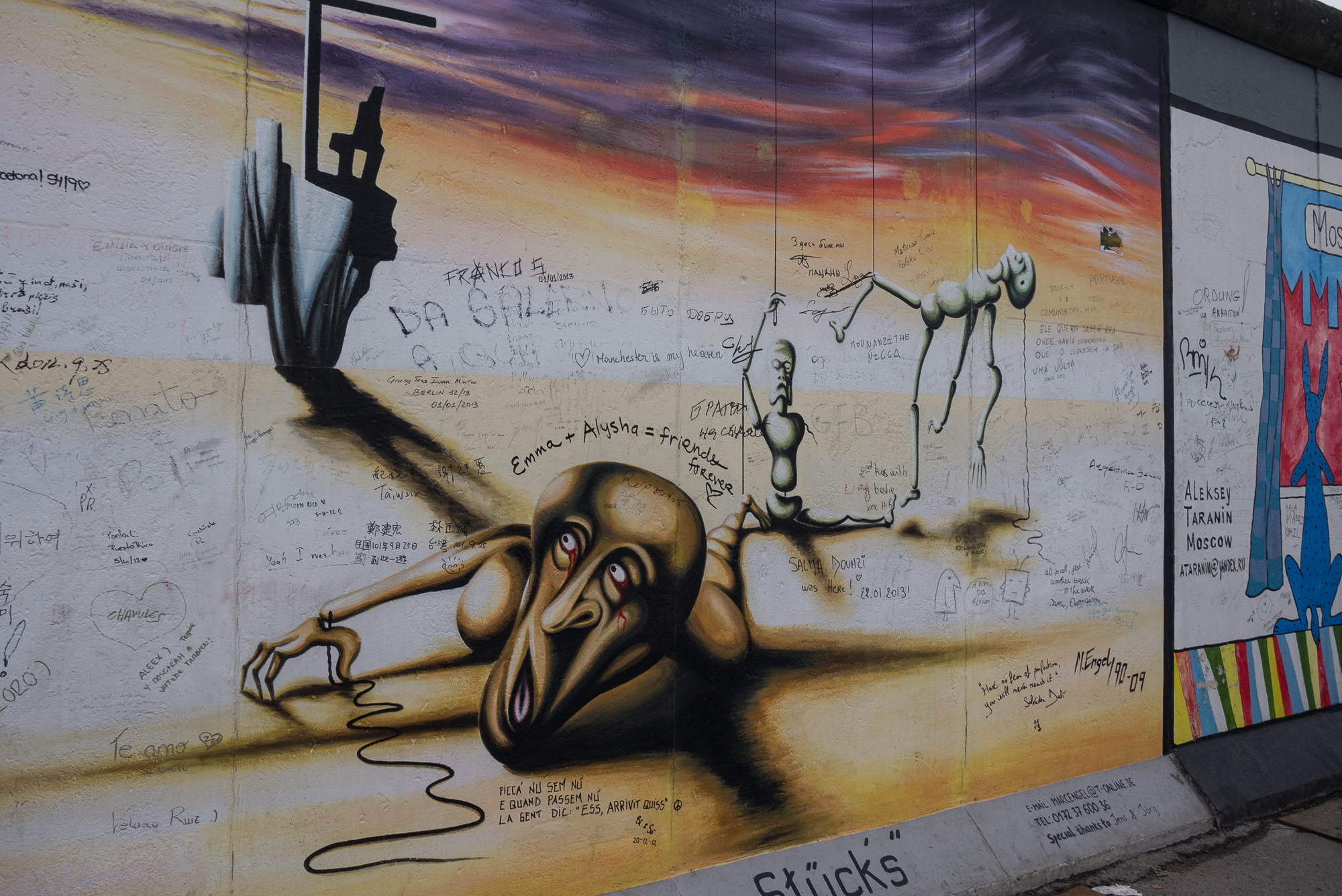




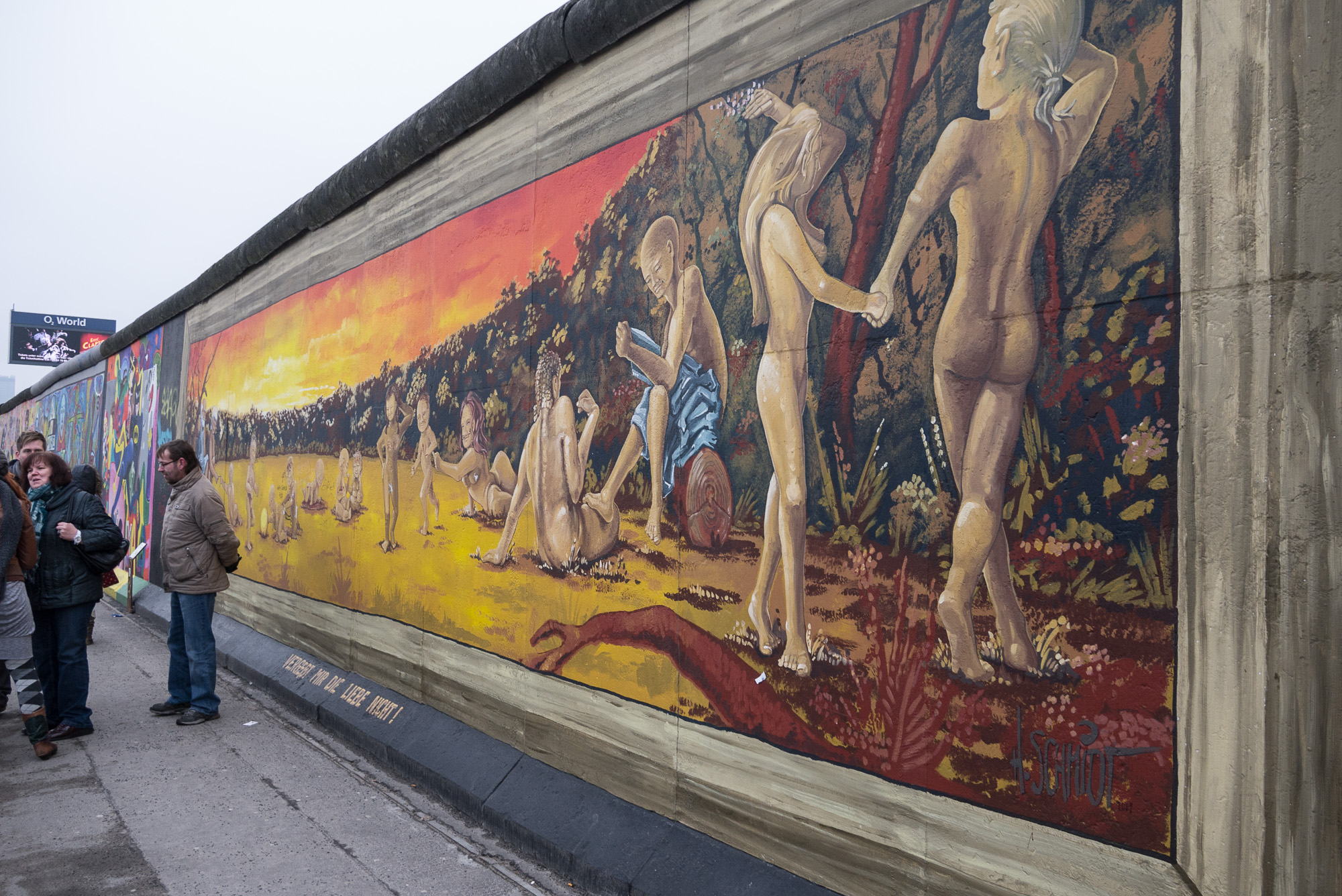
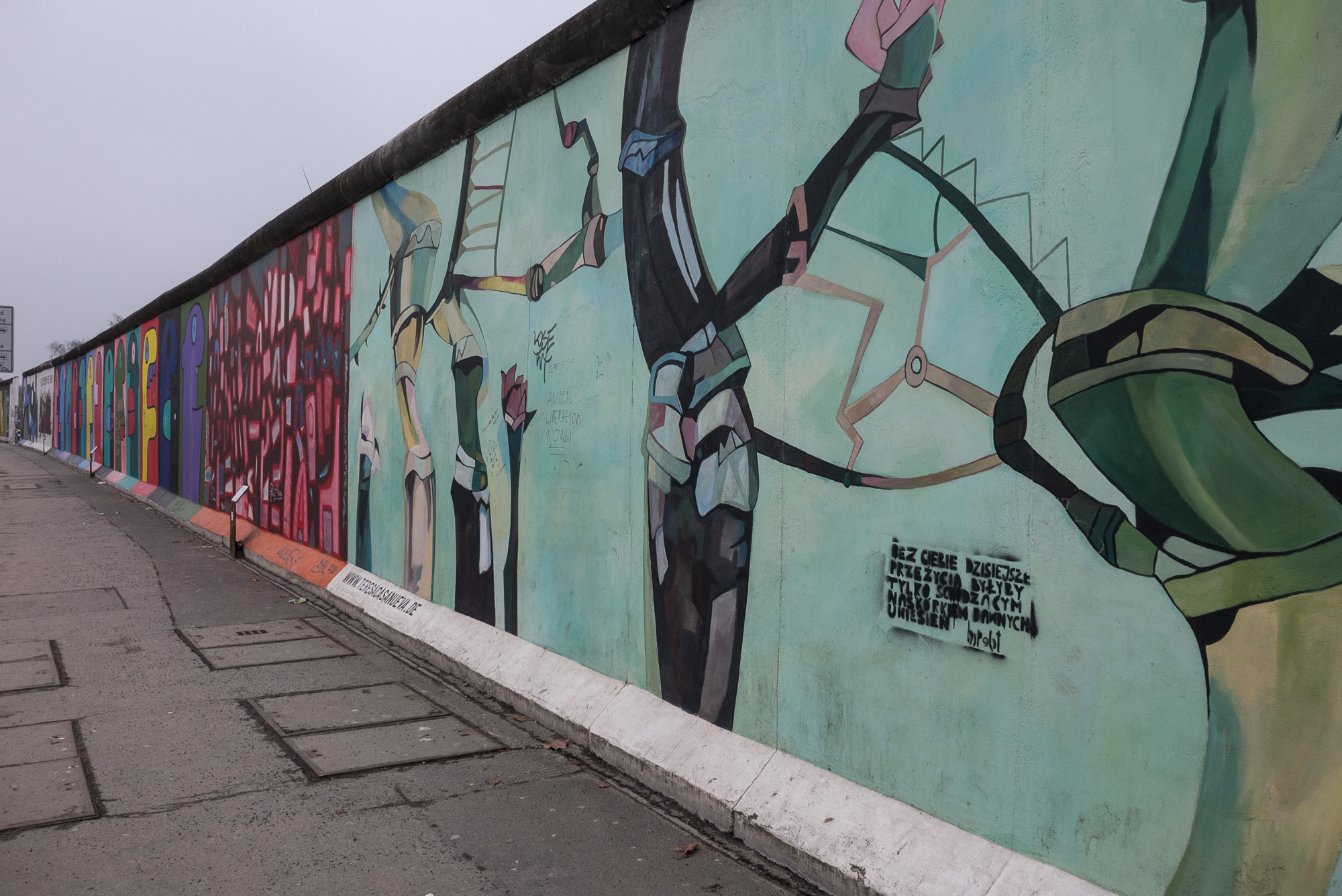



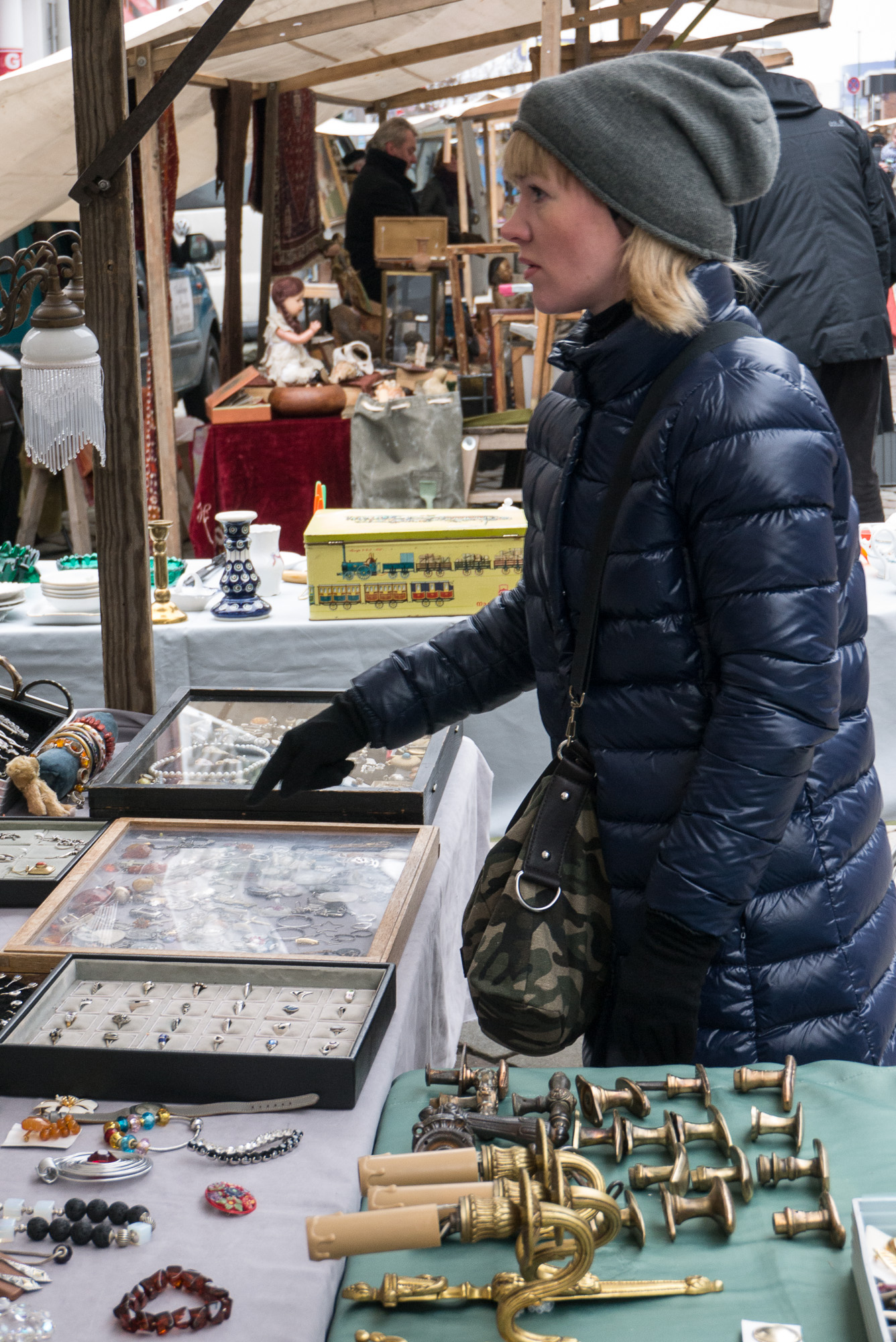







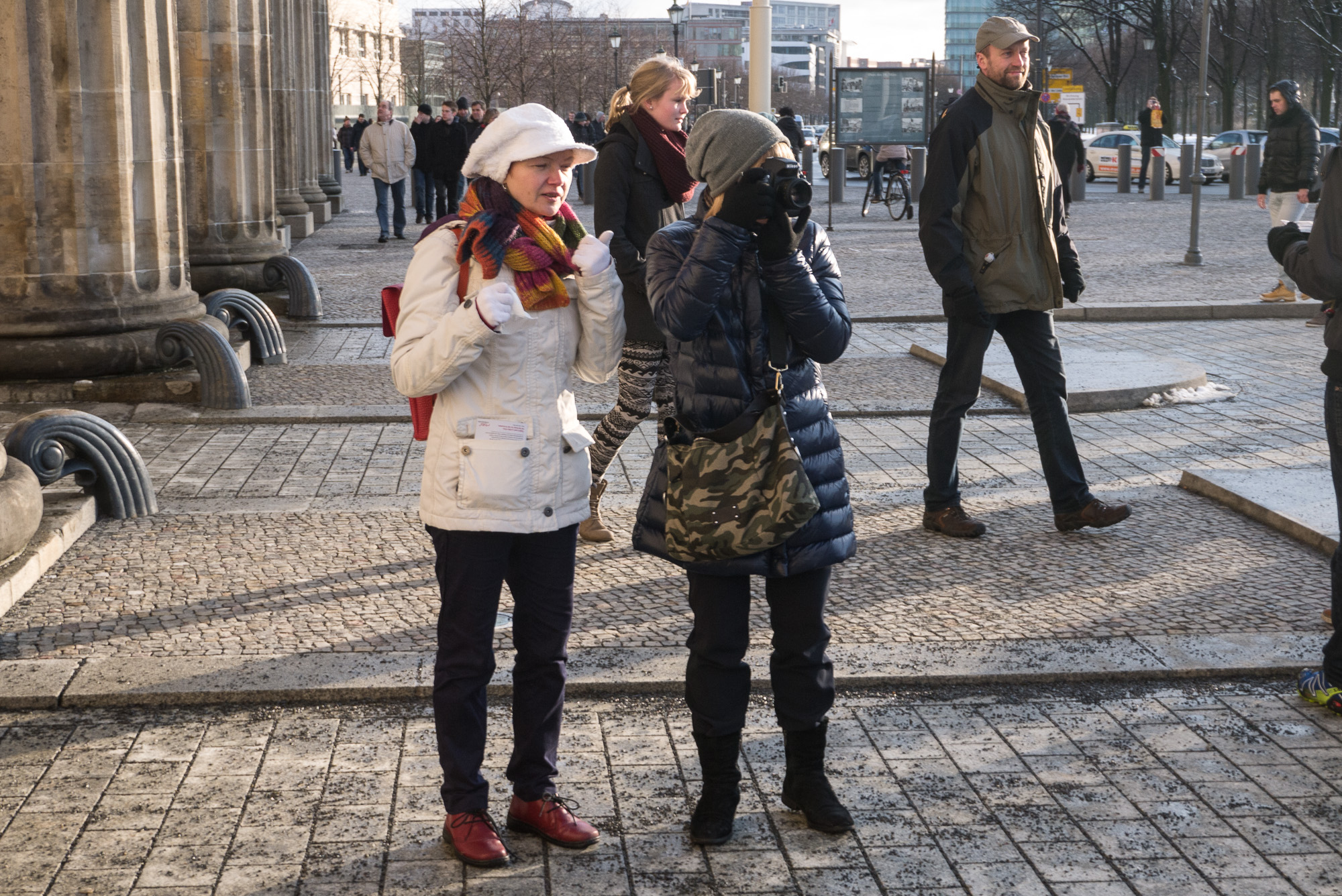



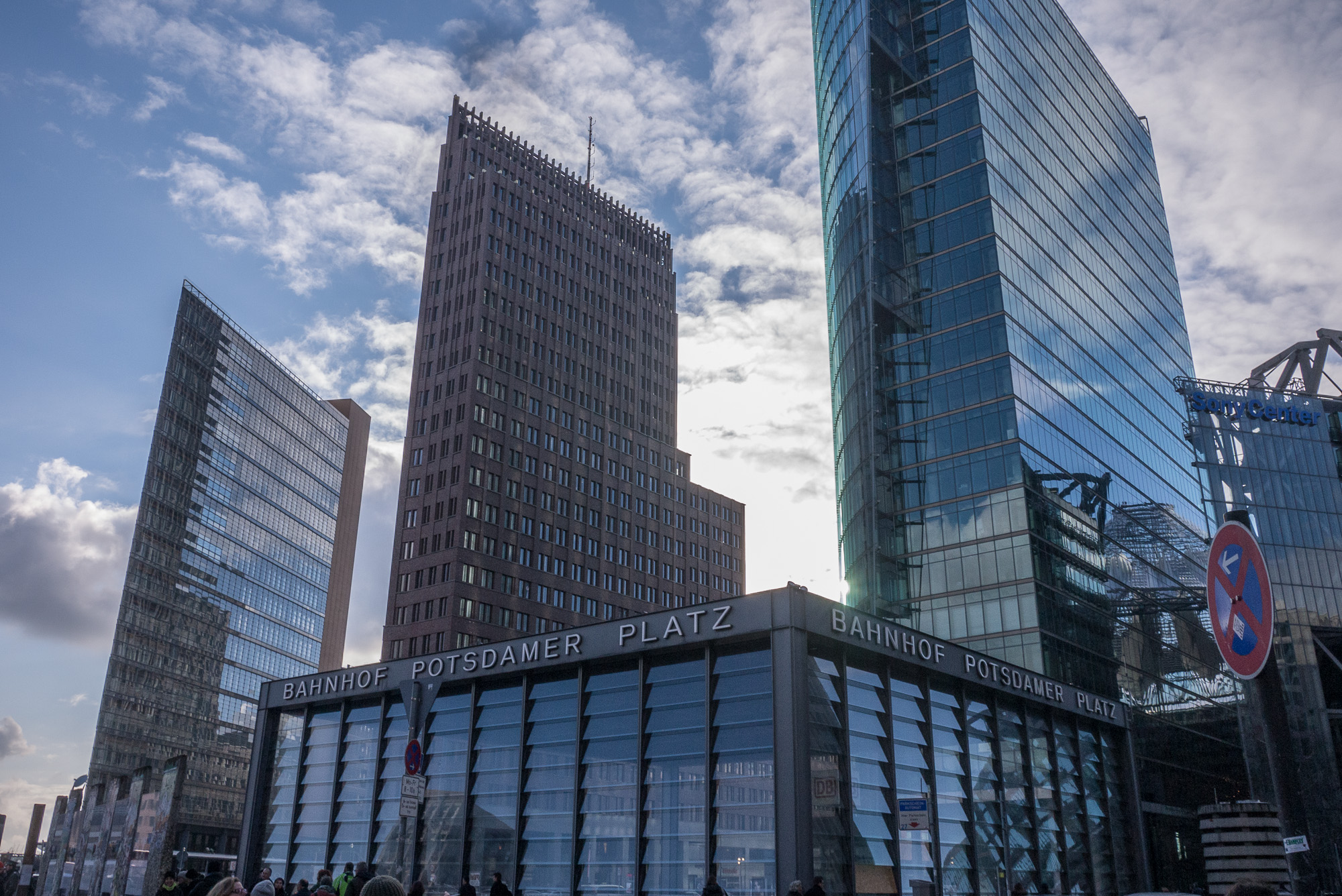


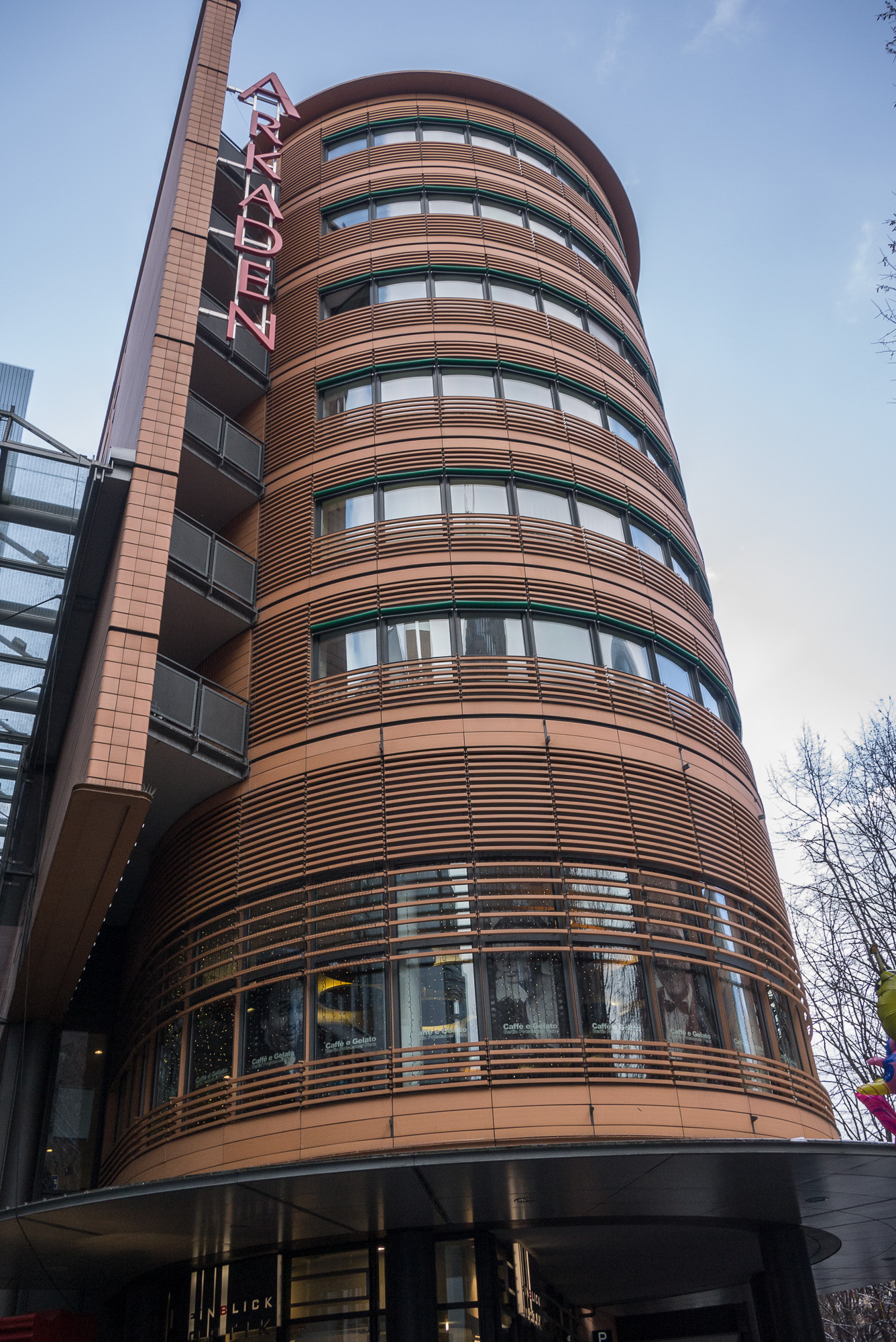

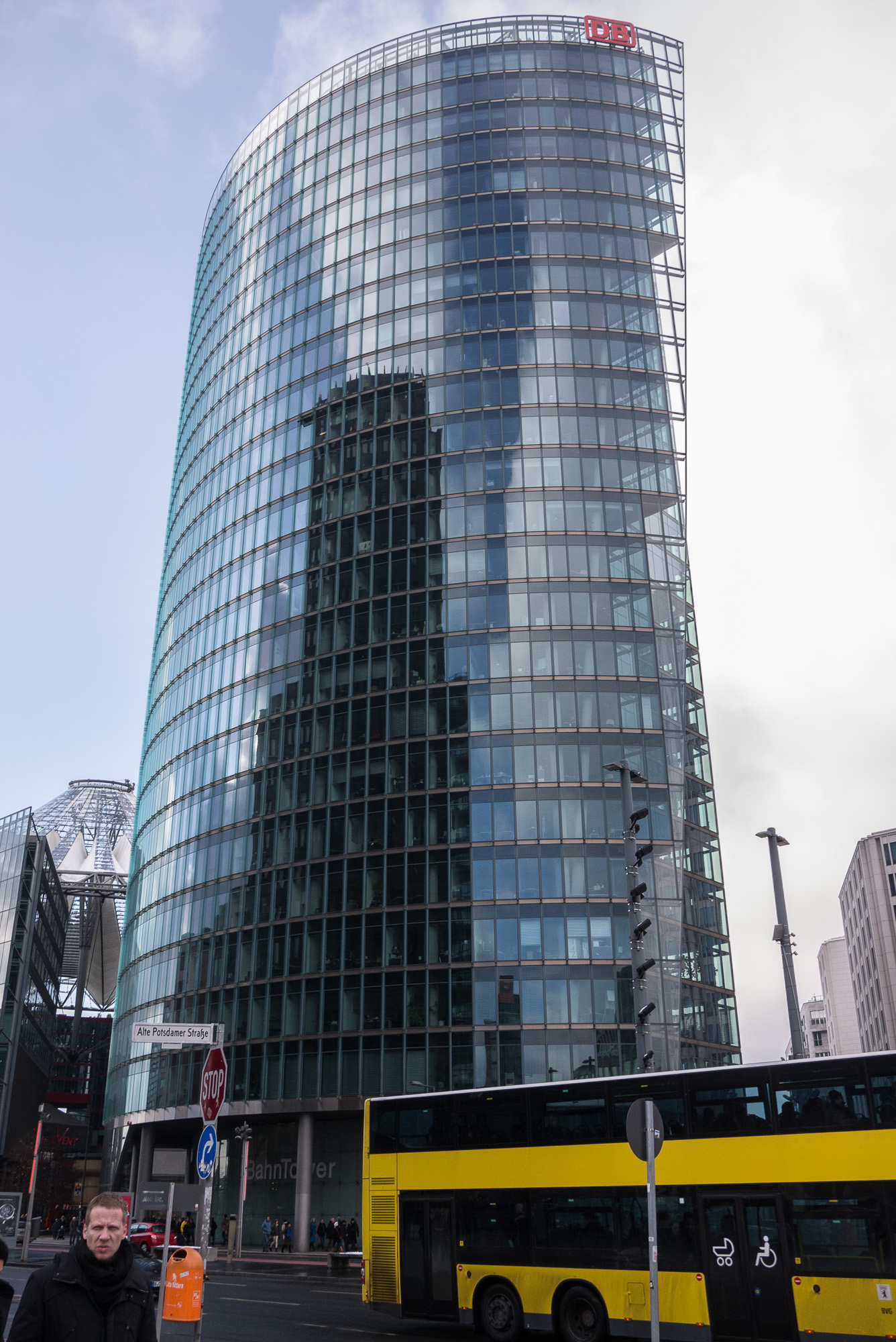
Juliana's friend Natascha was visiting from Russia in Berlin, so we went there too so that the two could meet again. We visited Potsdamer Platz (and the area where the Berlinale takes place), the Reichstag and the Holocaust Memorial, the East Side Gallery and the Kaiser Wilhelm Memorial Church and the Kurfürstendamm. And in between, we spent a nice evening at El Burriquito. Cold, but beautiful. The fact that the titles are a mess is due to these stupid WordPress programmers, who have once again designed the media interface in such a confusing way that it now takes a bunch of individual edits to enter all the titles - and the idiots are also too good to use the titles from the images. And the RPC upload nonsense is also completely irrelevant. WordPress is slowly becoming no fun anymore.
The Larch Environment. Another approach to visual programming, but unlike many other approaches, it is a mix of textual Python and visual representation of code and data structures. Looks quite interesting as an environment in which to experiment with elements of the language.
storm-gen - Lightweight DAO generator for Android SQLite - Google Project Hosting. Hmm, I could take a look at that, another ORM for SQLite under Android.
Repetier Software | The software driving your 3d printer. Interesting, this is software that combines all the steps of printing in one interface and is said to be significantly faster than pronterface. There is also a Mac version, so it might be worth a try. It also comes with its own firmware, so I naturally need to find out first whether the Robo3D can work with it (but since it is based on open source printers in principle, this could very well work - and their FAQ already states that they want to use Repetier-Host directly, so the chances are good).
Filabot Personal Filament Maker for 3D Printers - Desktop Extruding System – Environmentally Friendly. And with this, you make your own filament from plastic shredder. Also a cool idea.
Slic3r - G-code generator for 3D printers. Oh yes, another important 3D printing software. Slic3r is used to create the actual print plan from the STL model, which the printer then uses to produce the workpiece. This is about the layer thickness, how the head moves, what the infills should look like, etc.
Printable wood available. Cool - printable wood. Basically just a wood powder-plastic mixture that can be processed like normal wood after printing.
LightZone | Open-source digital darkroom software for Windows/Mac/Linux. Just remembered, it's now free. And because it's Java, it's available on multiple platforms. During my experiments back then, it was quite a cool alternative for Linux. Specifically, the contrast control through a digital zone system is quite cool, and the program saves JPEG previews and the editing steps directly in the previews, so you can easily exchange them between computers. Attention: currently, Lightzone still requires a license key. The whole licensing stuff still needs to be removed, but the source is already on Github, it's just a matter of time.
Thingiverse - Digital Designs for Physical Objects. And you can go there to search for inspiration and starter models. Presumably also on the other usual 3D warehouses, but then you have to convert the models to STL first (and make various preparations to the models so that they become printable).
Tinkercad - Mind to design in minutes. Wow. There's even 3D design software for 3D printers that runs completely in the web. Okay, since you can boot Linux in the browser, nothing should surprise me anymore, but it's still cool ...
repetier/Repetier-Host-Mac · GitHub. And the necessary software to control the printer.
RepRap - RepRapWiki. Well, this will probably soon become important reading for me. Pretty cool stuff, 3D printing.
Recently on the Internet (Black and White Edition)















I have uploaded new pictures to Google+ and/or Flickr. Here they are - unsorted and uncommented. This is the black and white version.
Recently on the Internet

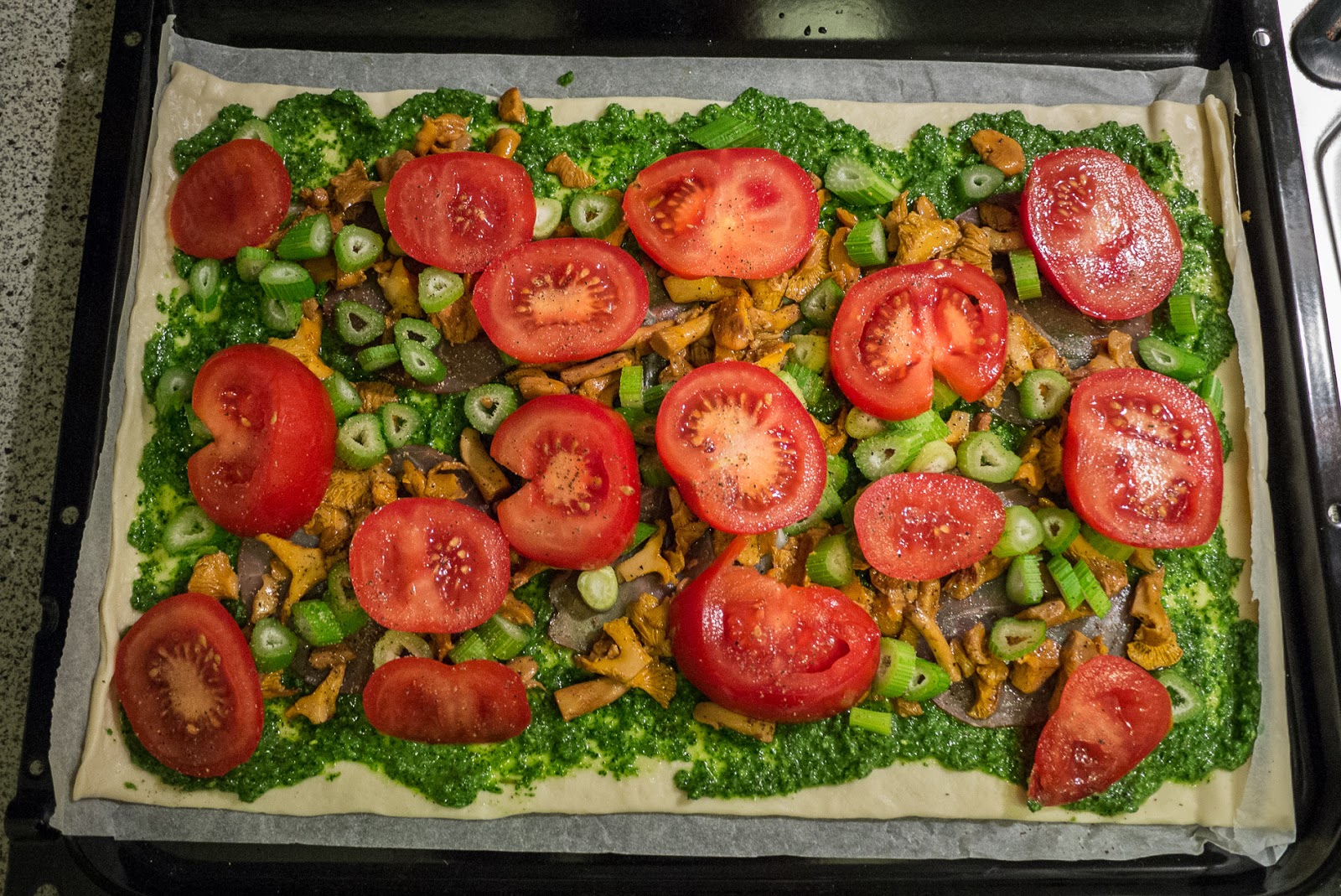










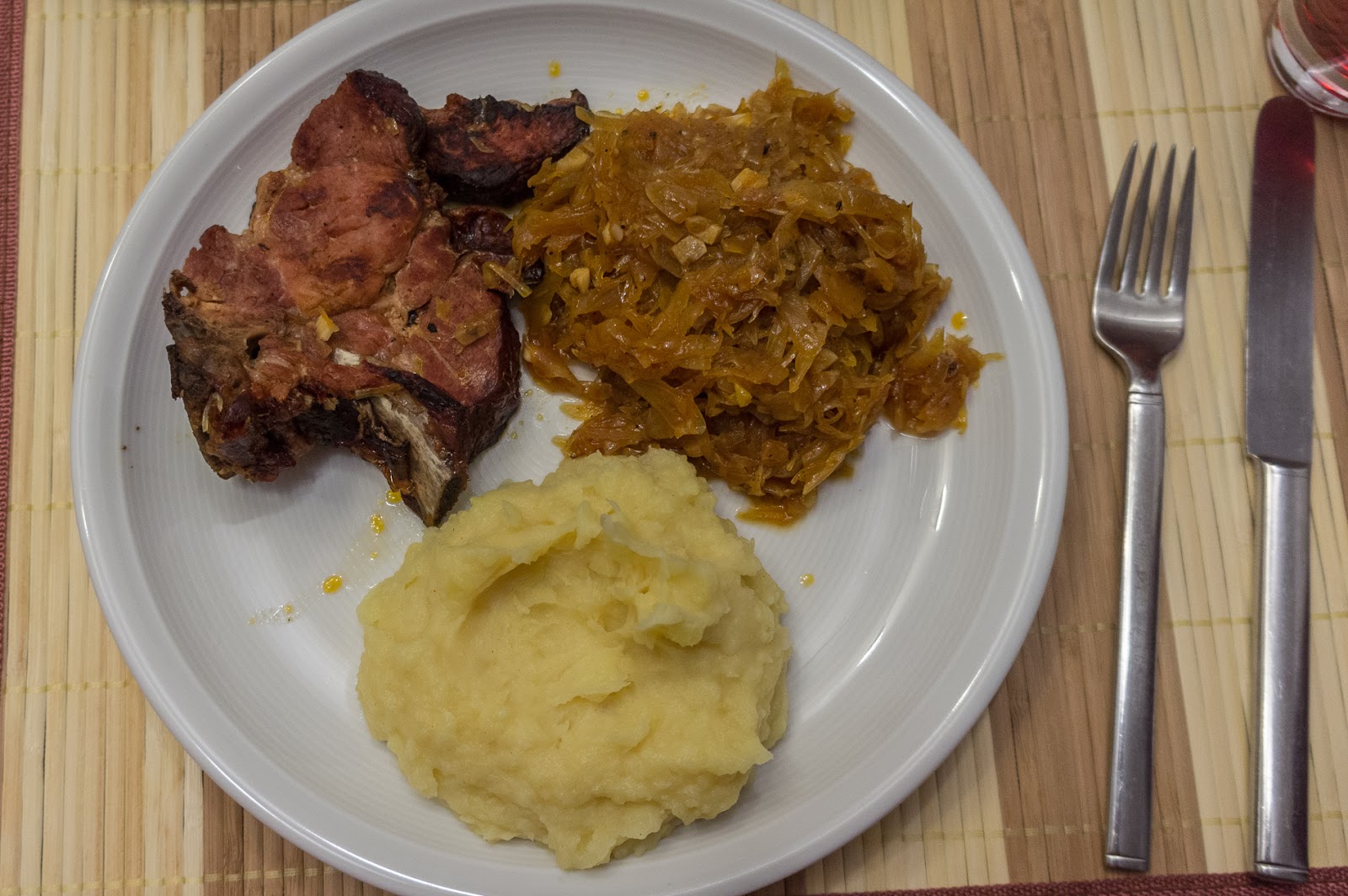
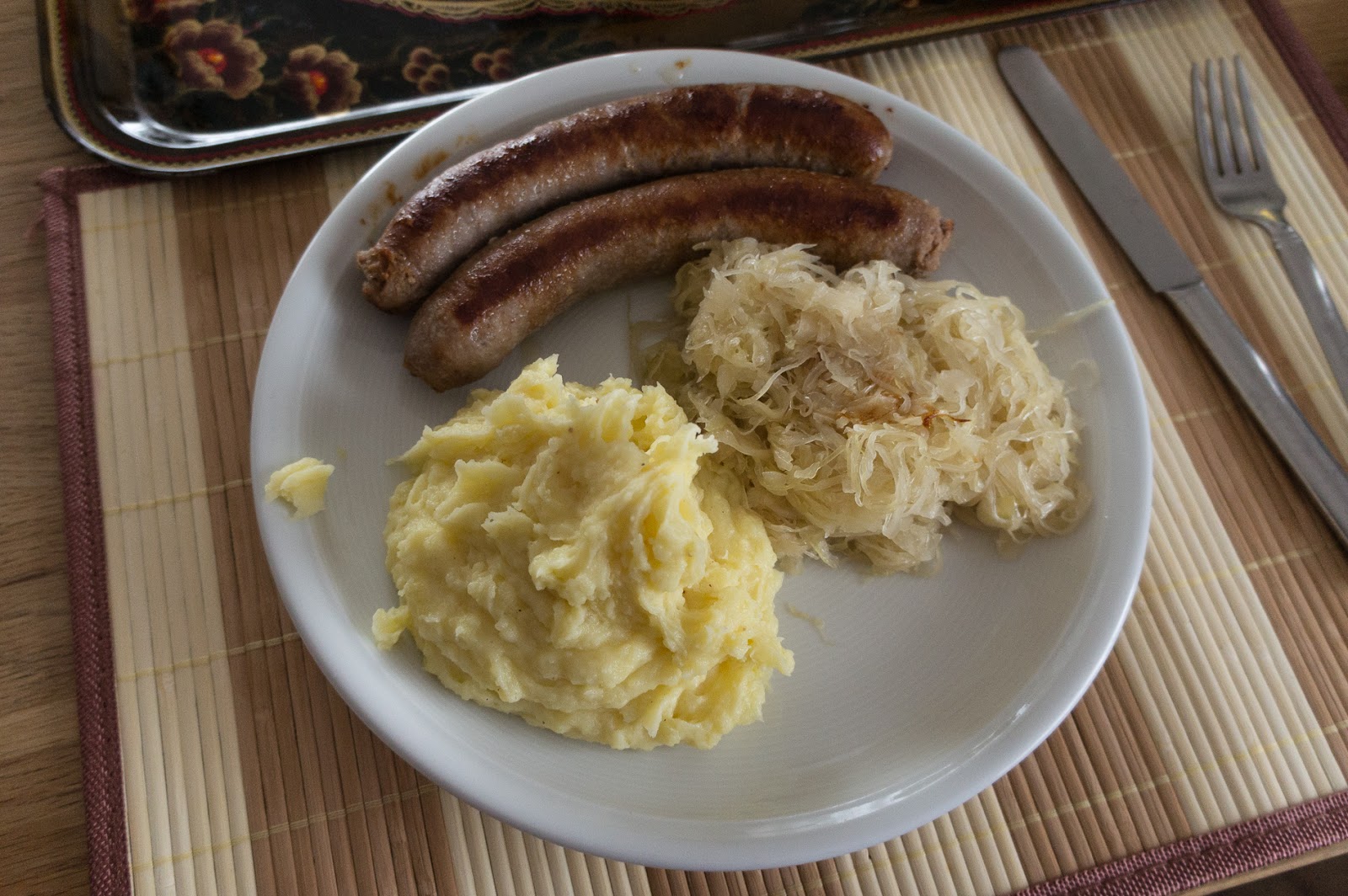

I have uploaded new pictures to Google+ and/or Flickr. Here they are - unsorted and uncommented. And presumably mostly from last year.
Pinoccio - A Complete Ecosystem for Building the Internet of Things | Indiegogo. Another exciting Arduino-compatible project. Compact Arduino boards with integrated mesh networking and gateway capability via WiFi to the Internet. All of this as open-source hardware and without a mandatory central server.
i.MX233 Product Summary Page. The CPU used by the Chumby One - pretty cool what's already in the core.
Chumby tricks - ChumbyWiki. If you look around, it's quite interesting to see what all could be done with the Chumby. It was really an open platform after all. So perhaps it's not so bad that the manufacturer is gone and the infrastructure is slowly disappearing, because it shows whether an open system can really continue to live, even if the originally driving force is gone. And apart from that, it can still remain a fun tinkering project. I think I will really replace my old radio alarm clock and do more with this thing. So if I'm late for work in the near future and miss morning appointments, you know what it's all about - then my hacked alarm clock has crashed.
Falling Faster than the Speed of Sound « Wolfram Blog. Interesting analysis of Felix Baumgartner's jump with Mathematica. I'm still in the play phase with Mathematica, so such things are quite exciting to get a better feel for how to approach problems with Mathematica. Working with Mathematica is quite different from normal programming environments.
ZDoc - Browse Files at SourceForge.net. And here comes the provisional salvation - a firmware that works offline and loads the widgets and all the stuff from a thumb drive. Not everything will work, but if I can at least get a radio alarm clock working again, it's already quite okay. So, it seems like another DIY project is on the agenda.
End of Chumby as we know it... Page 1 - Chumby.com - chumbysphere forum. The cloud is not always a good idea - I also have one of these Chumby devices at home, but if the rescue plan here doesn't work, it won't even be usable as an alarm clock. It looks like I should hurry up and root the device to get local software running on it myself. Basically, the Chumby is just a small embedded Linux system with a few hardware sensors and an integrated touchscreen (well, more of a squeeze screen - it's as imprecise as the first generations of Palm Pilots were after one year of use).
Coblenz and Stolzenfels Castle

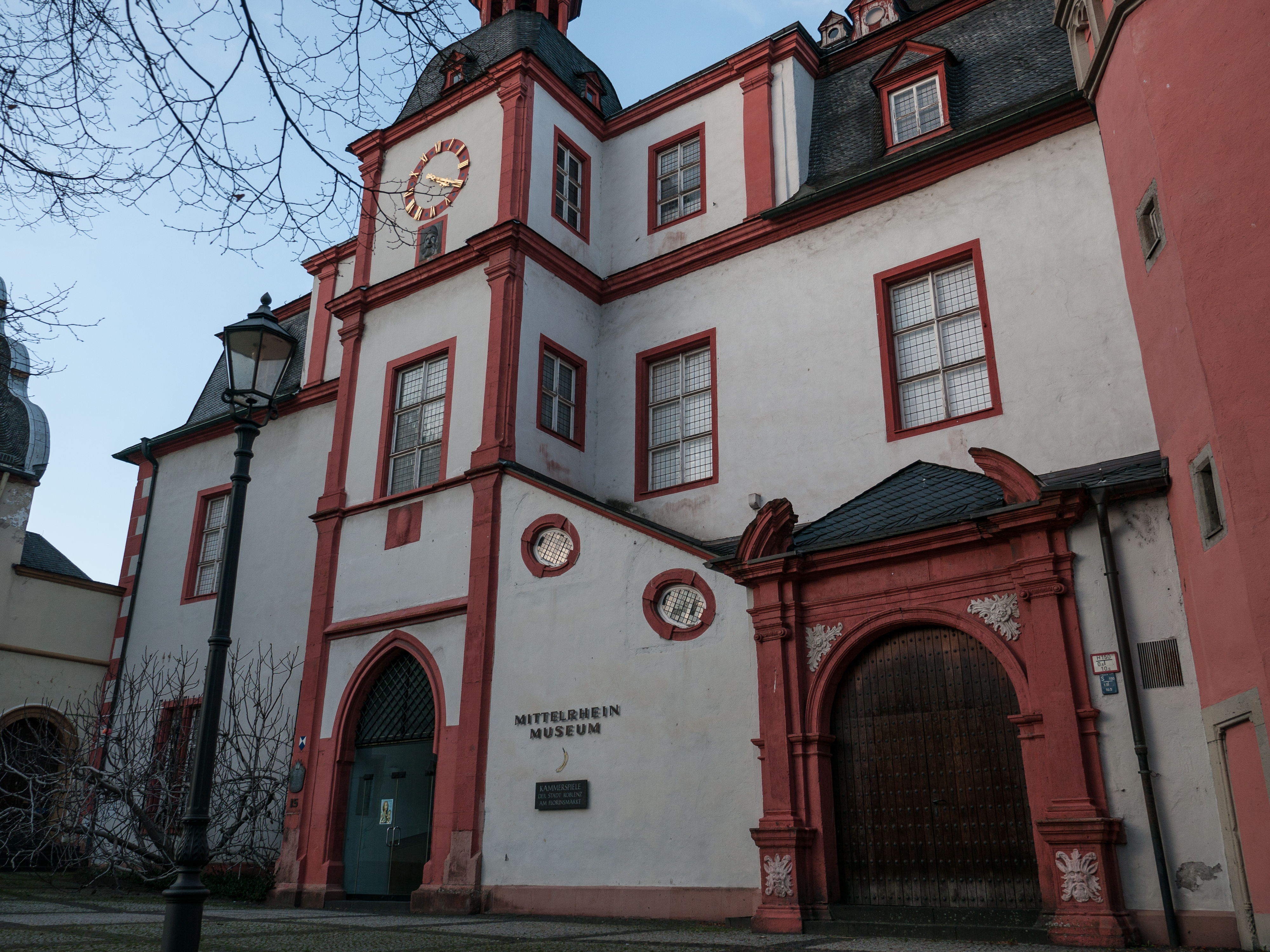
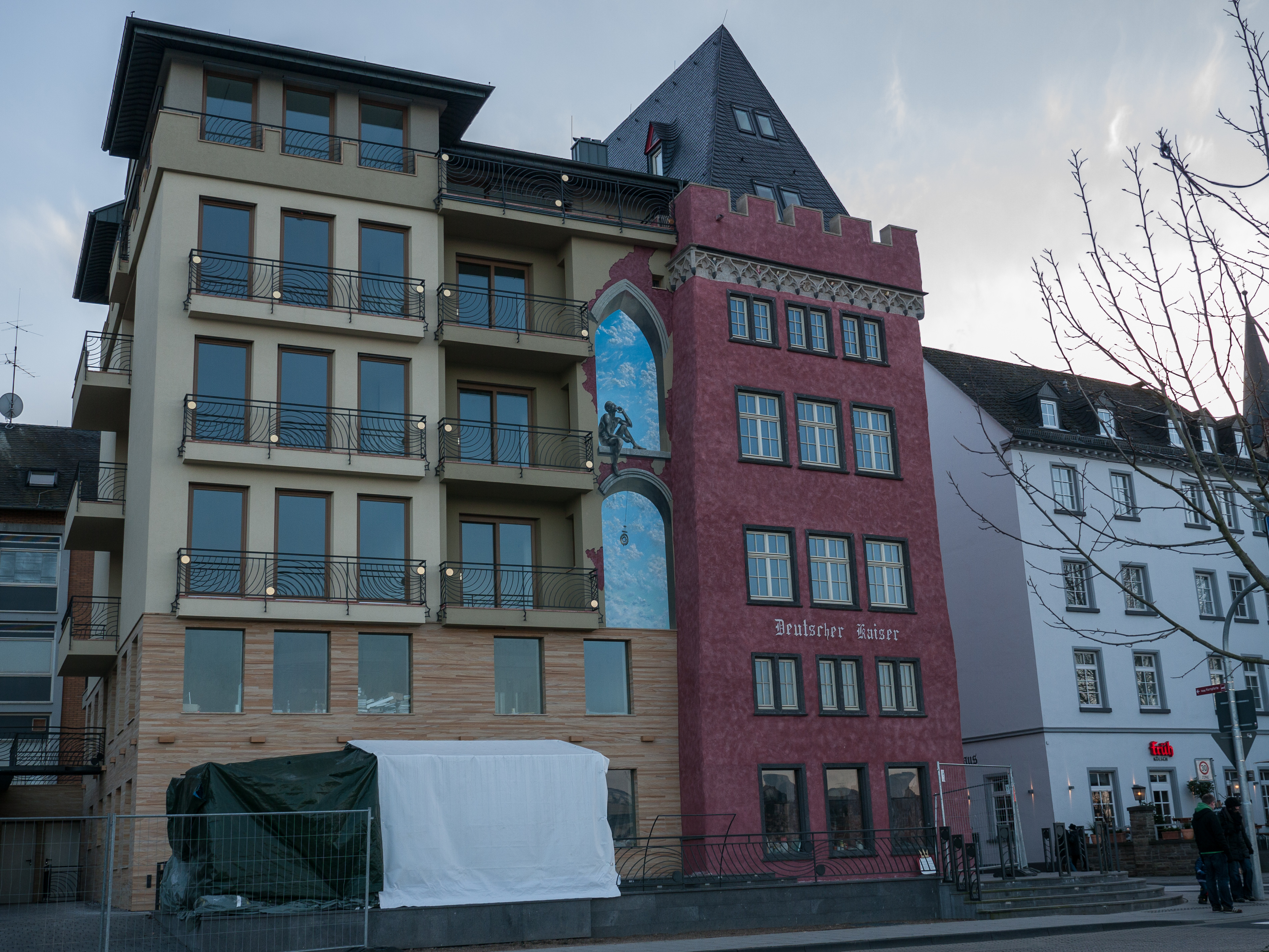

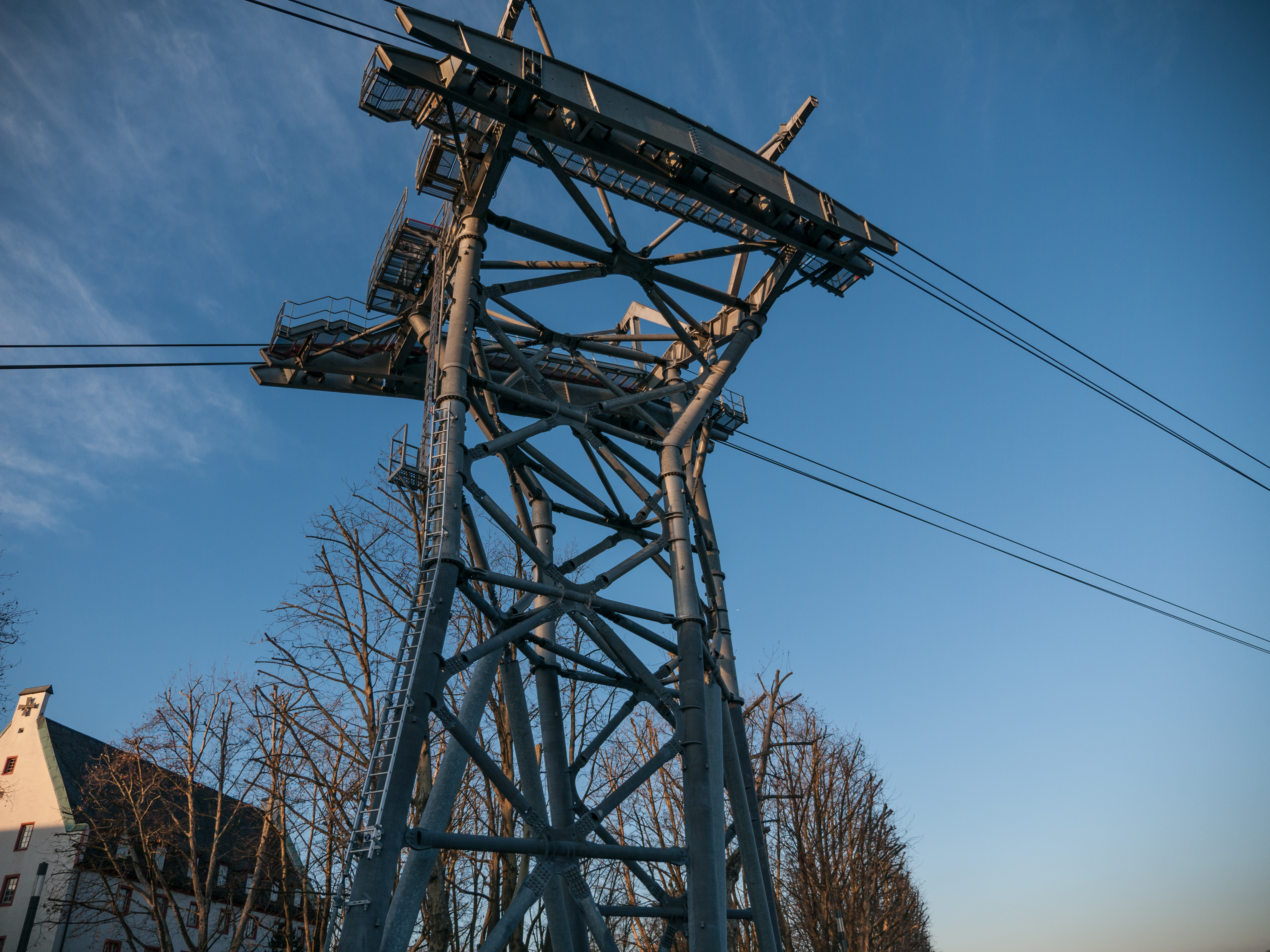

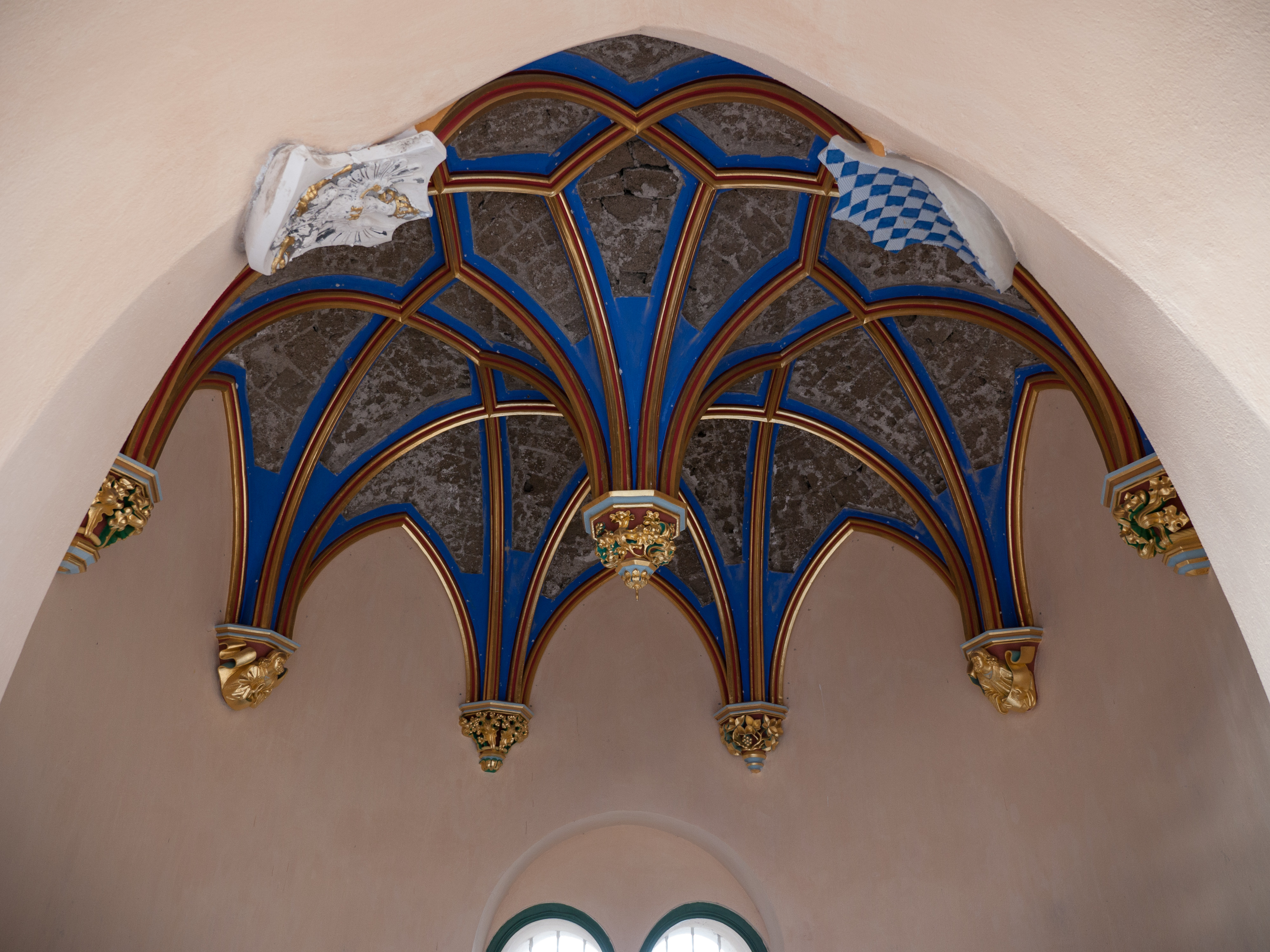
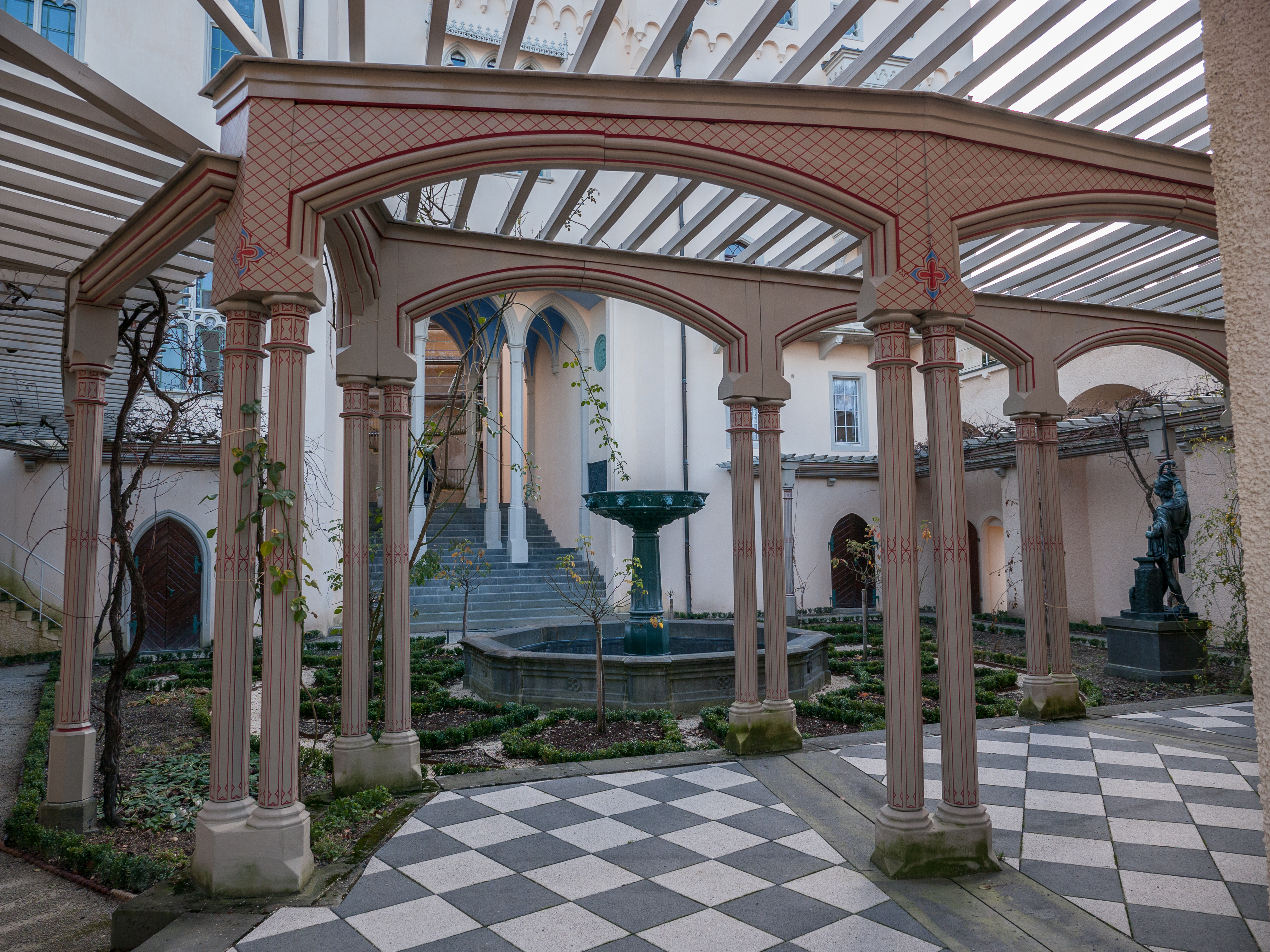


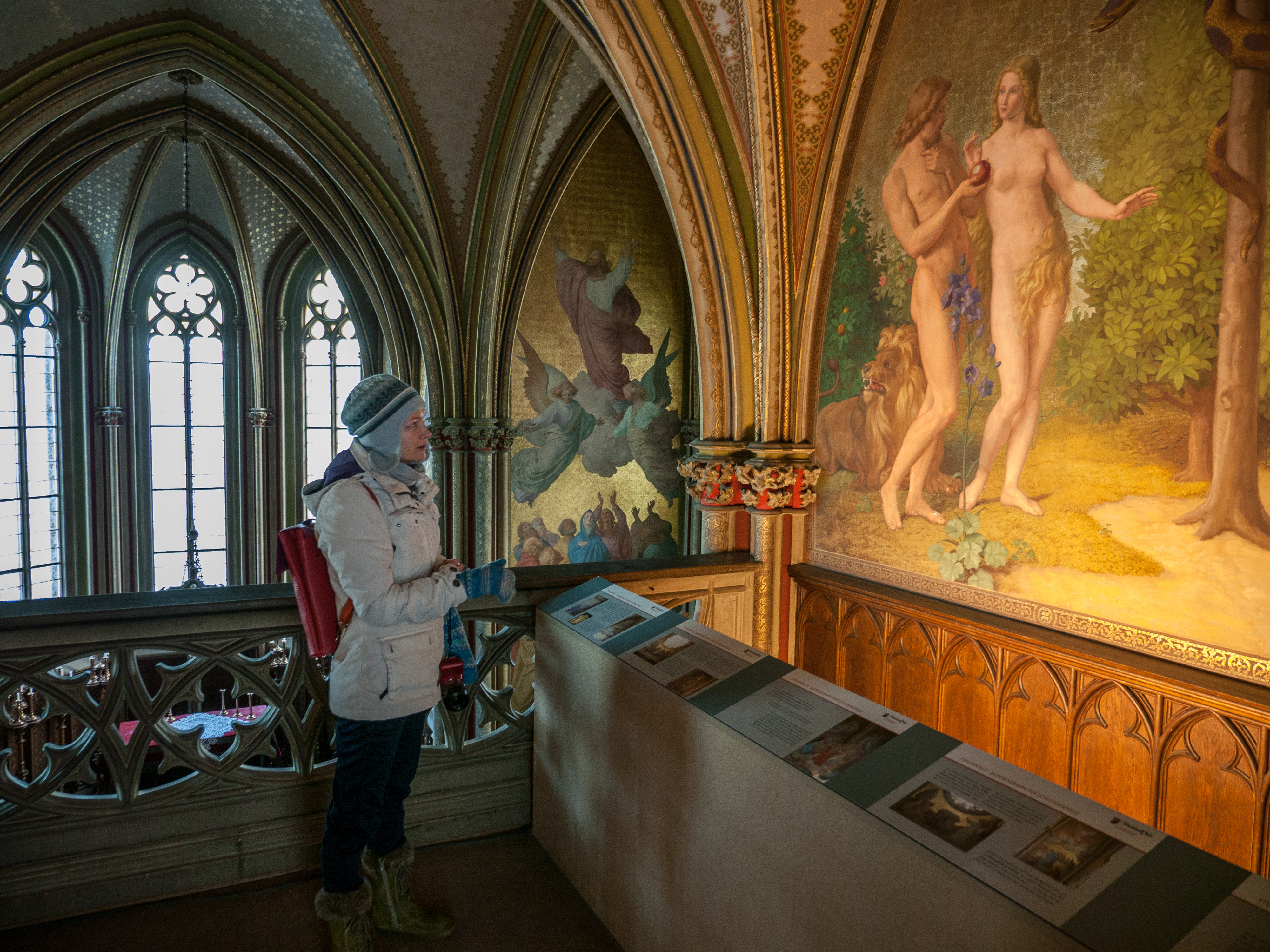

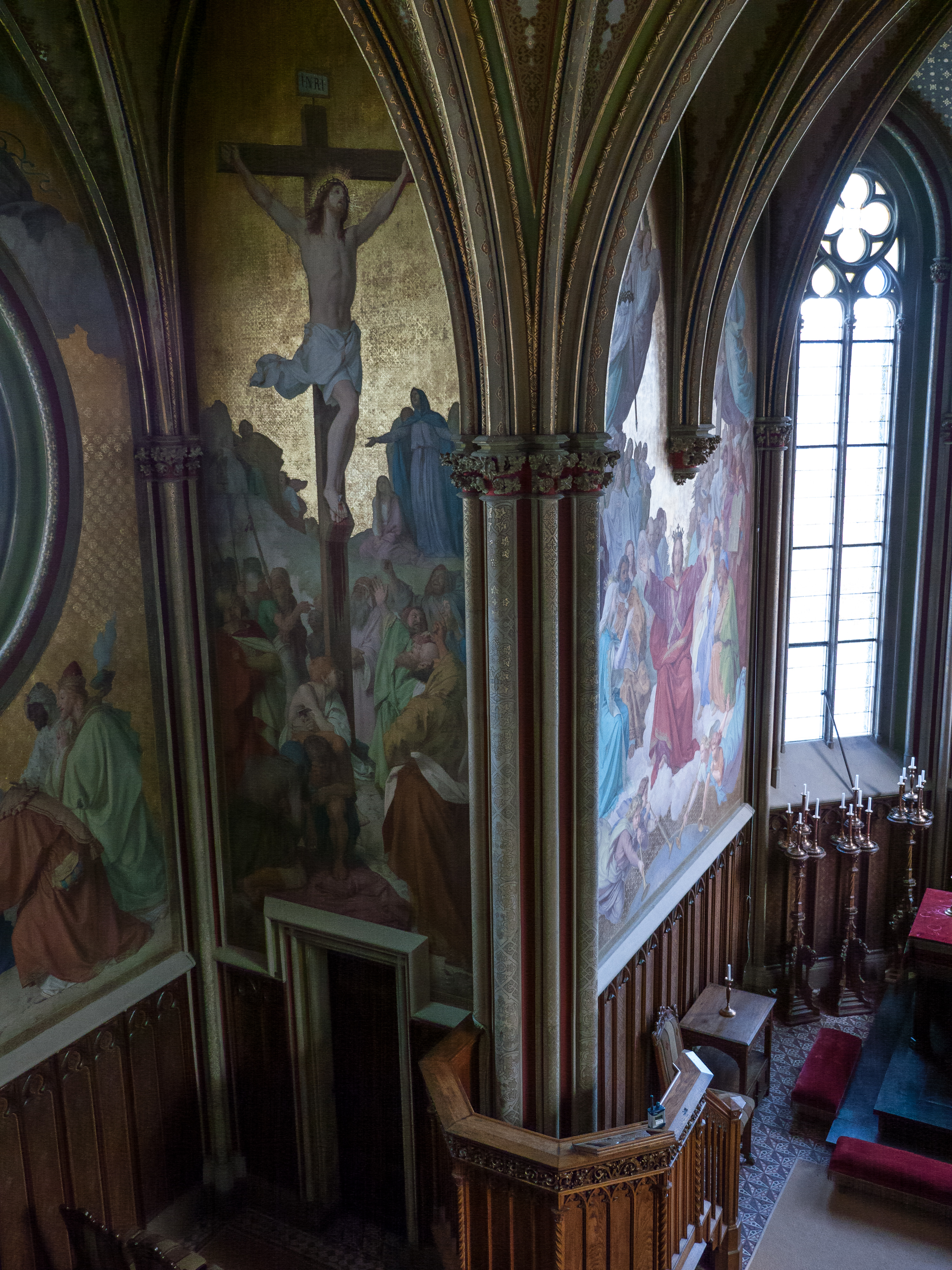
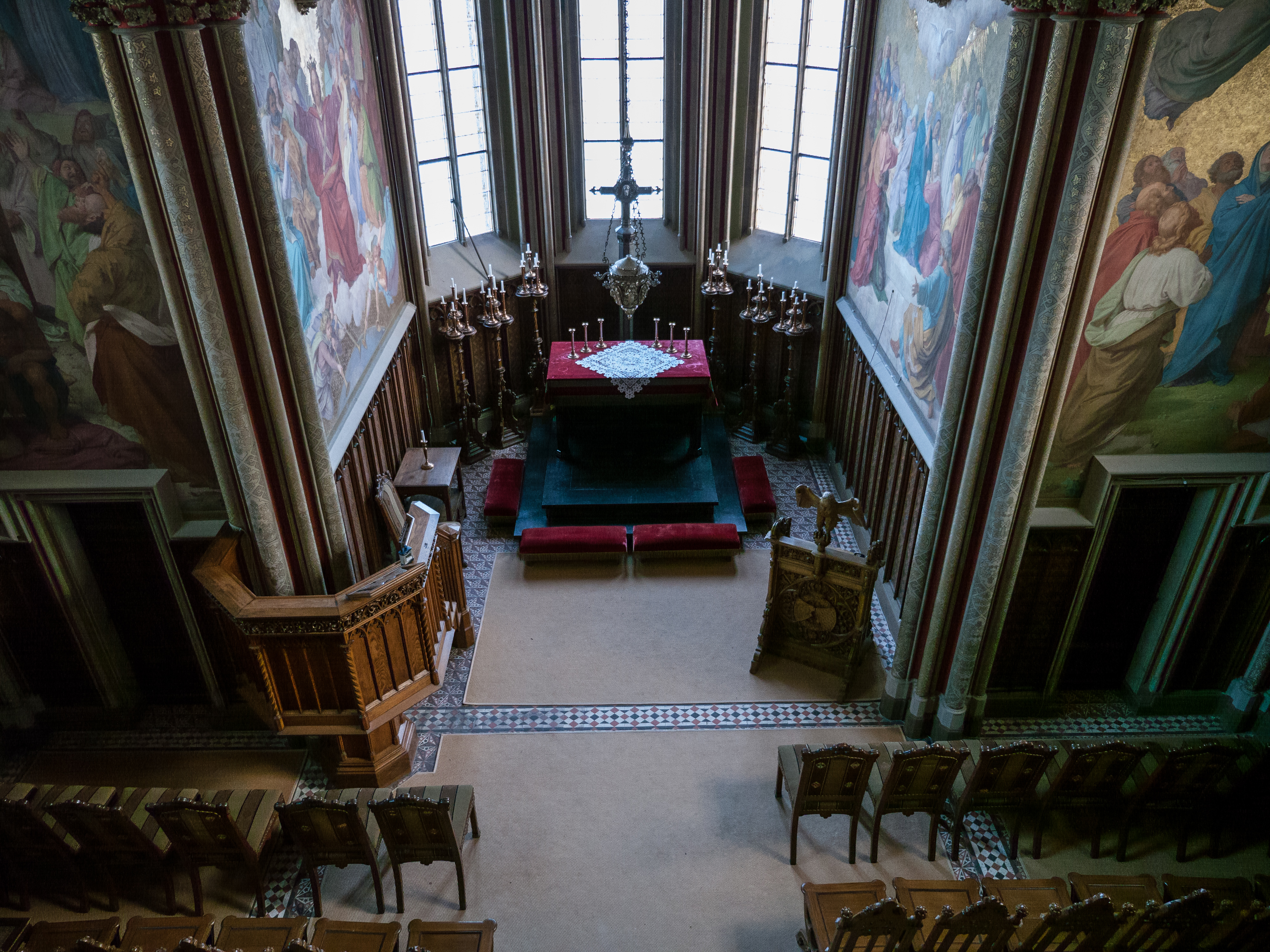
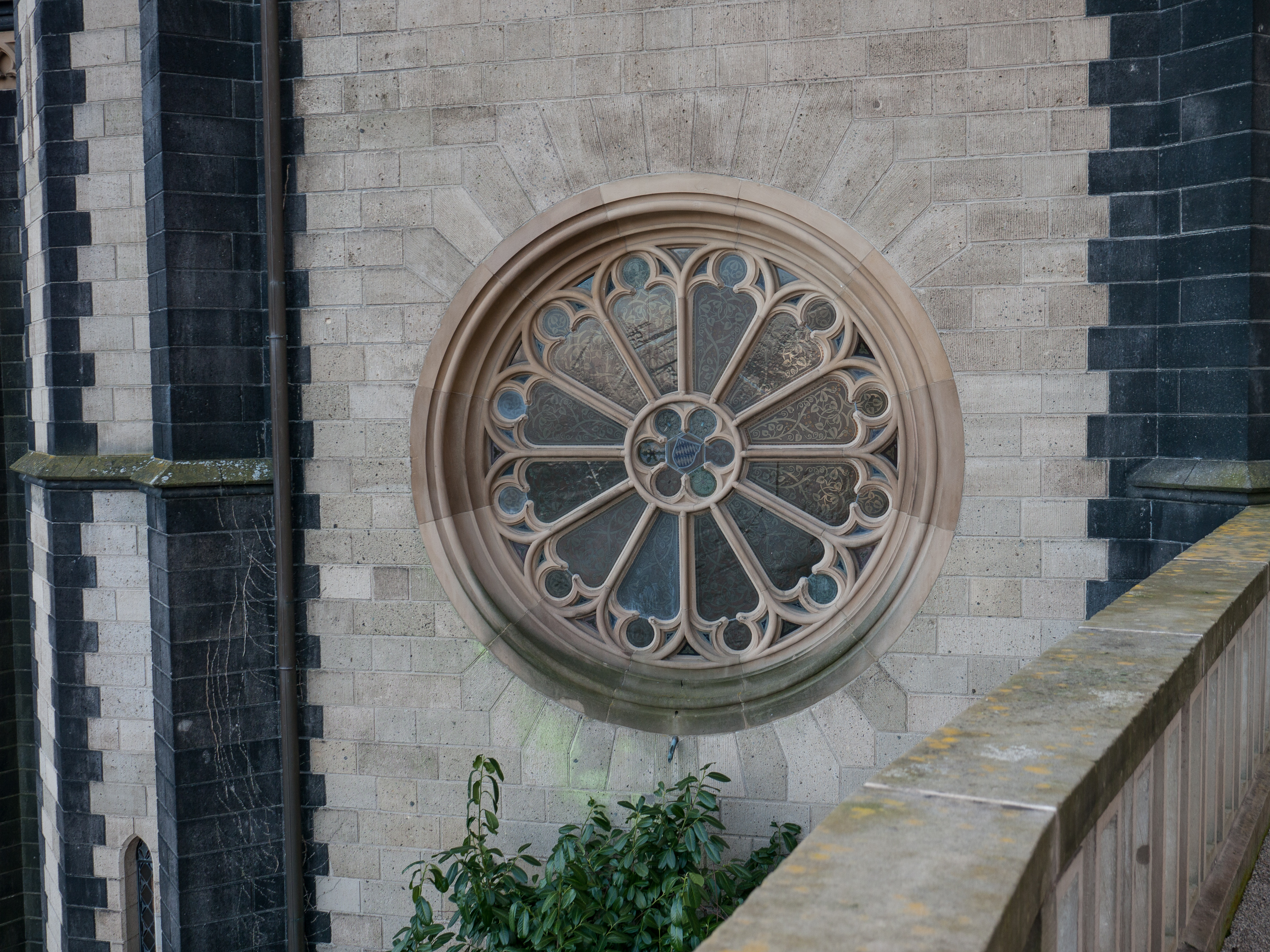
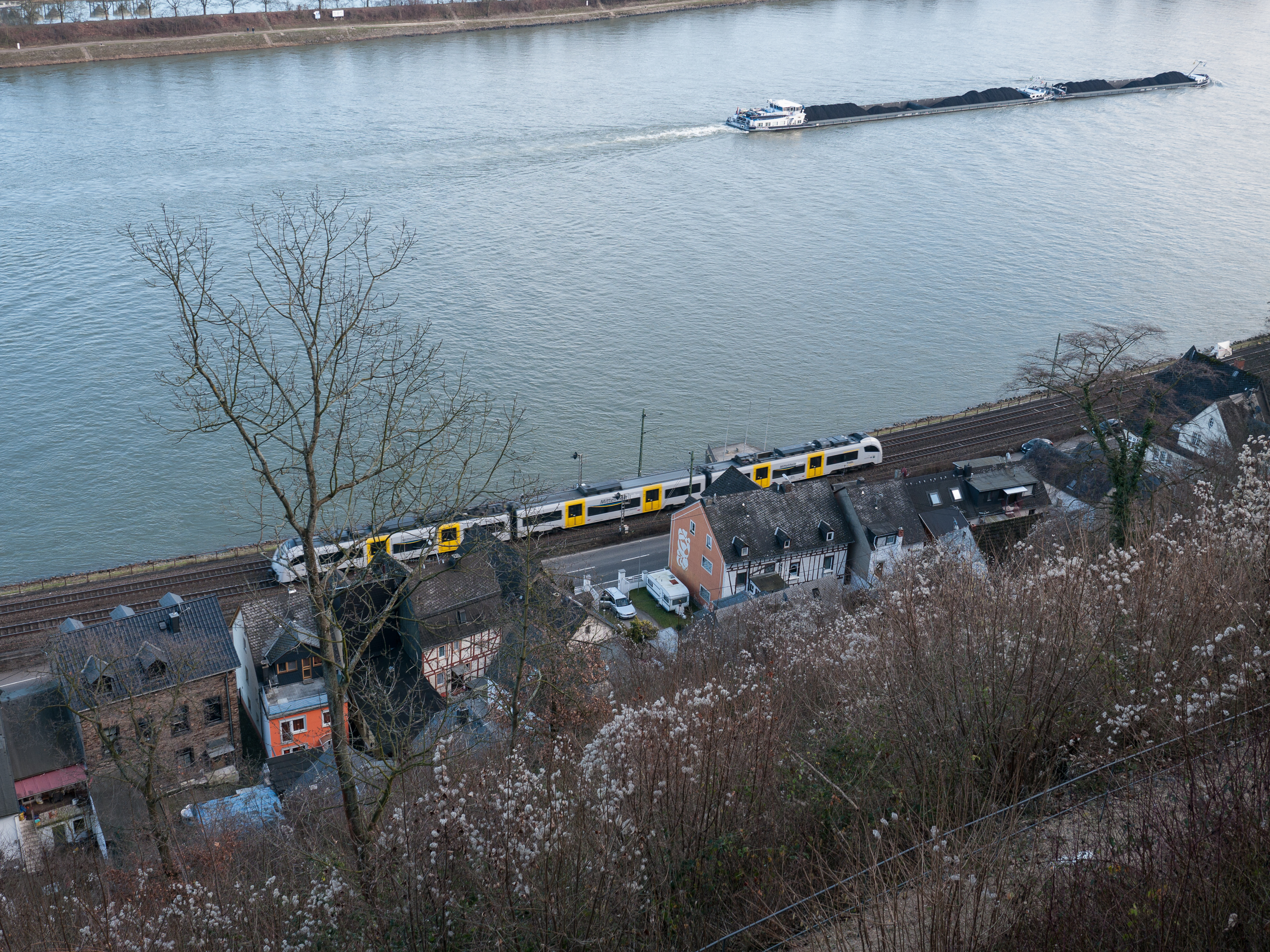

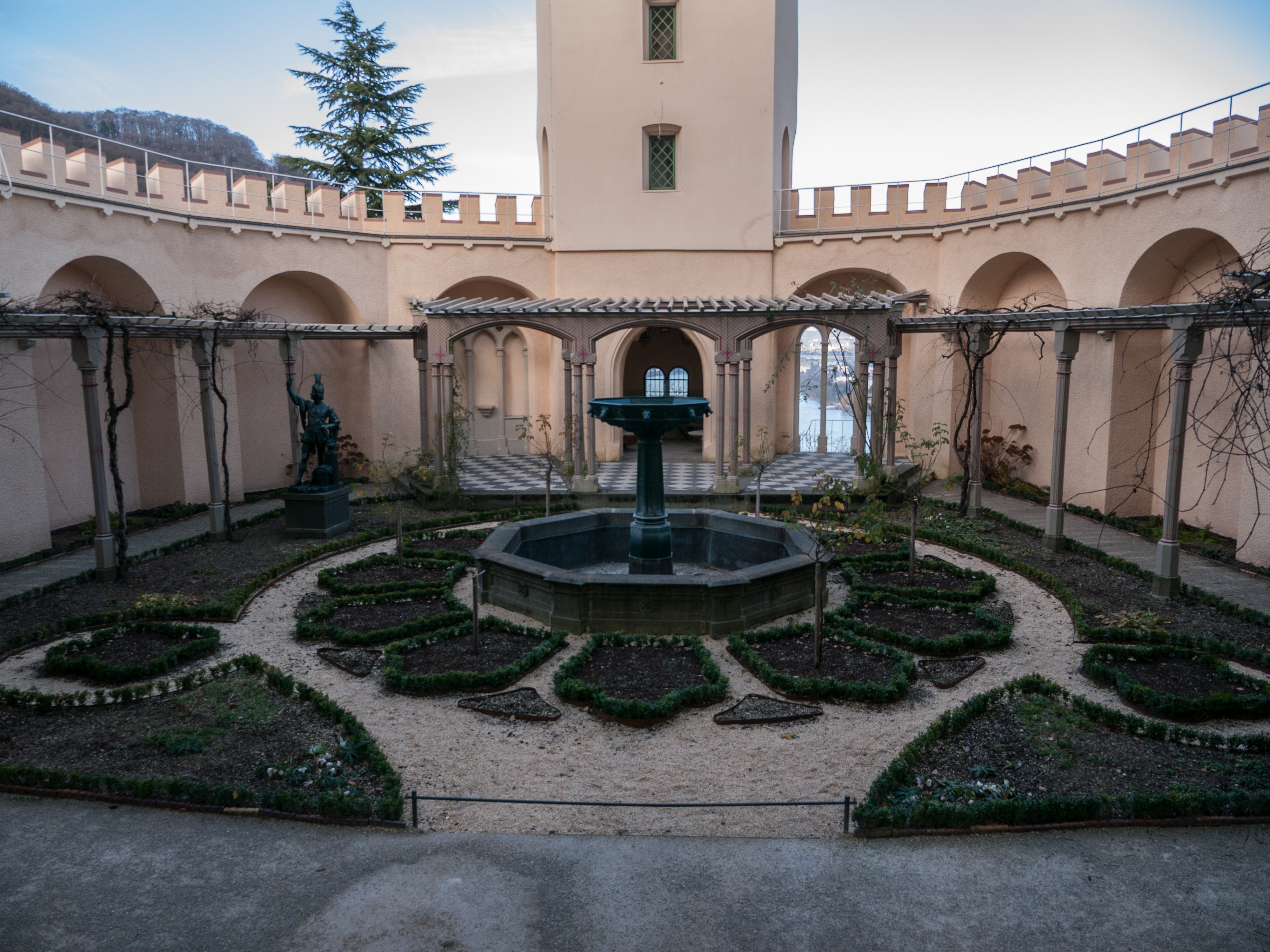
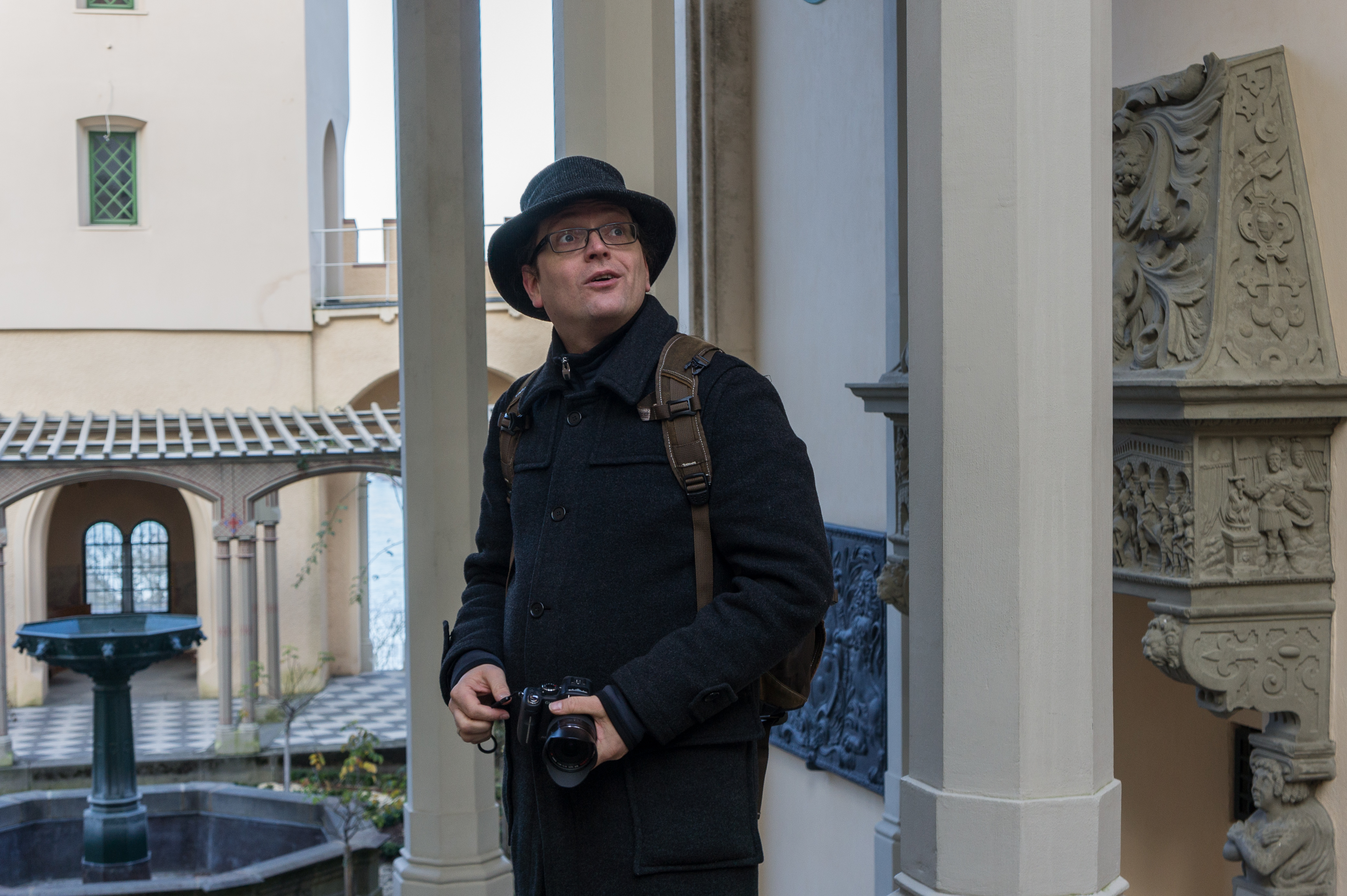
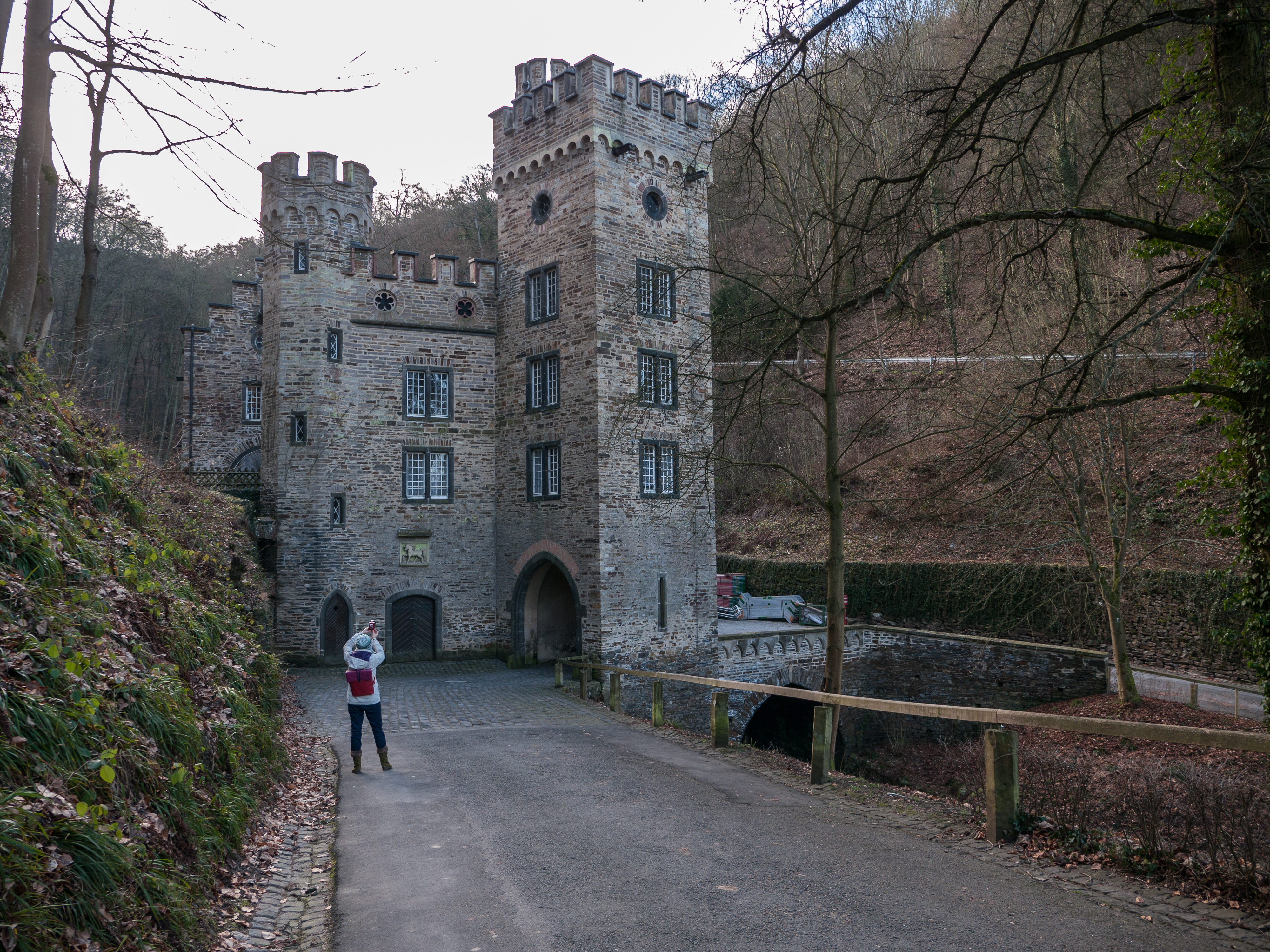

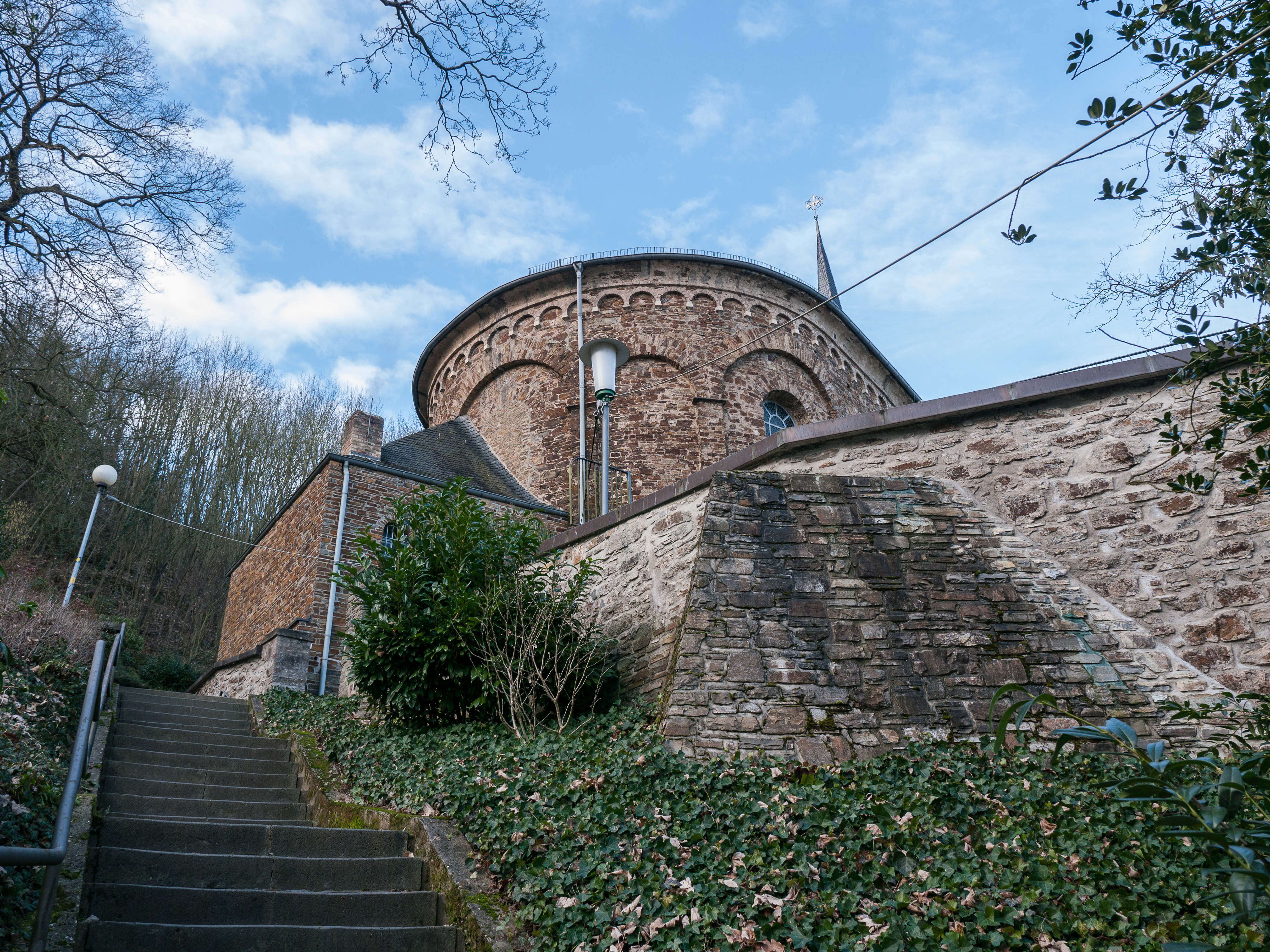
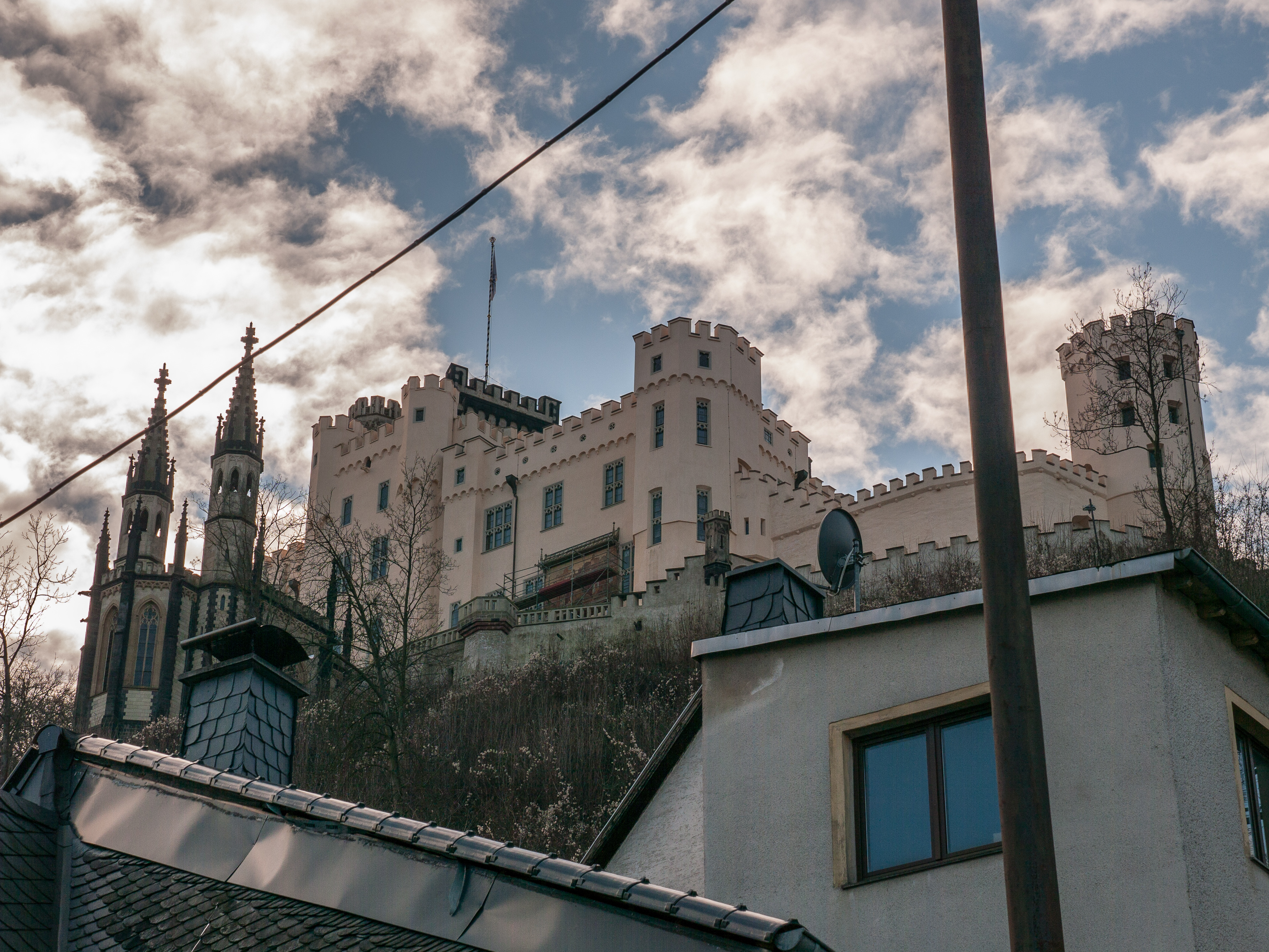
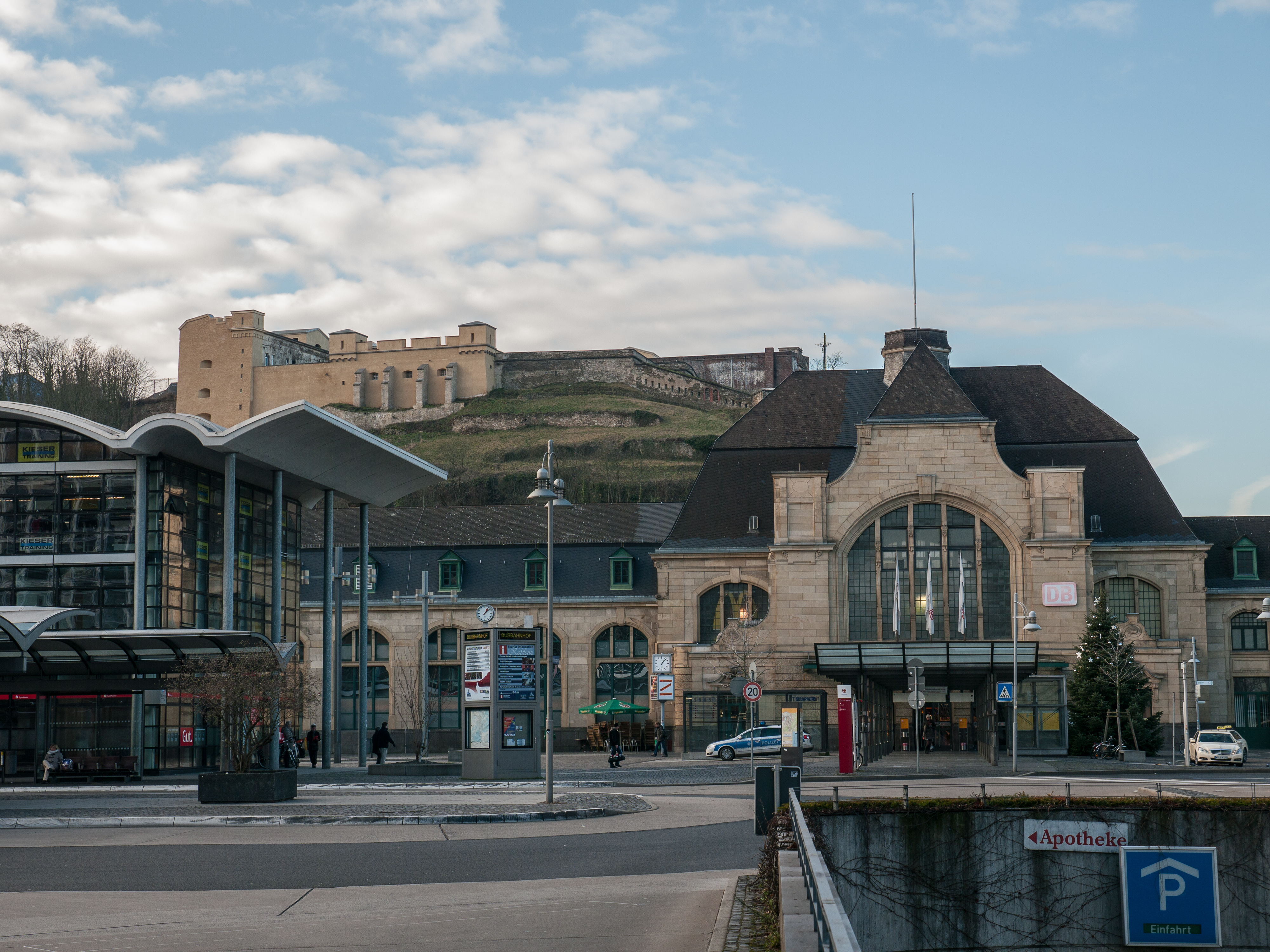
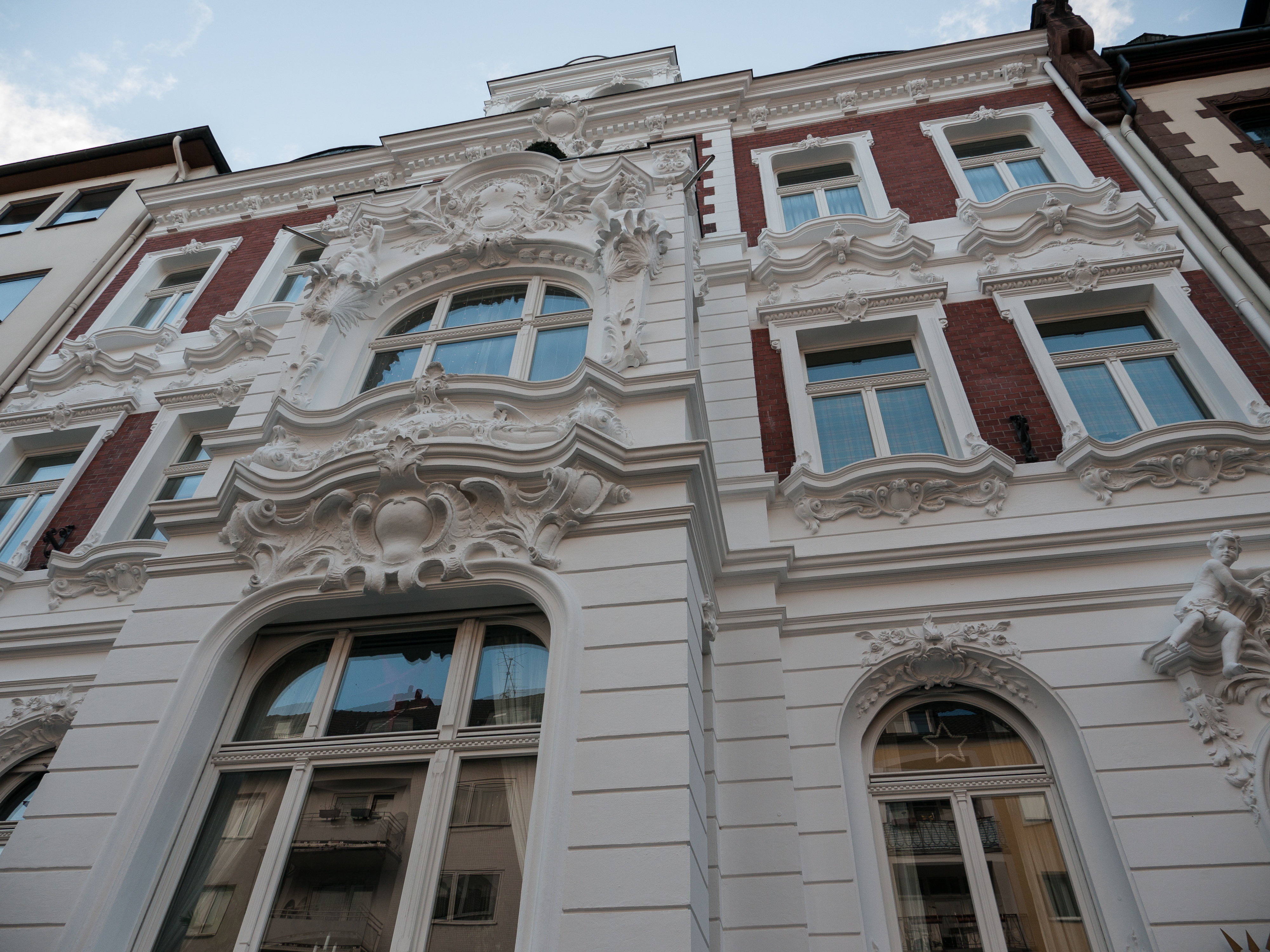
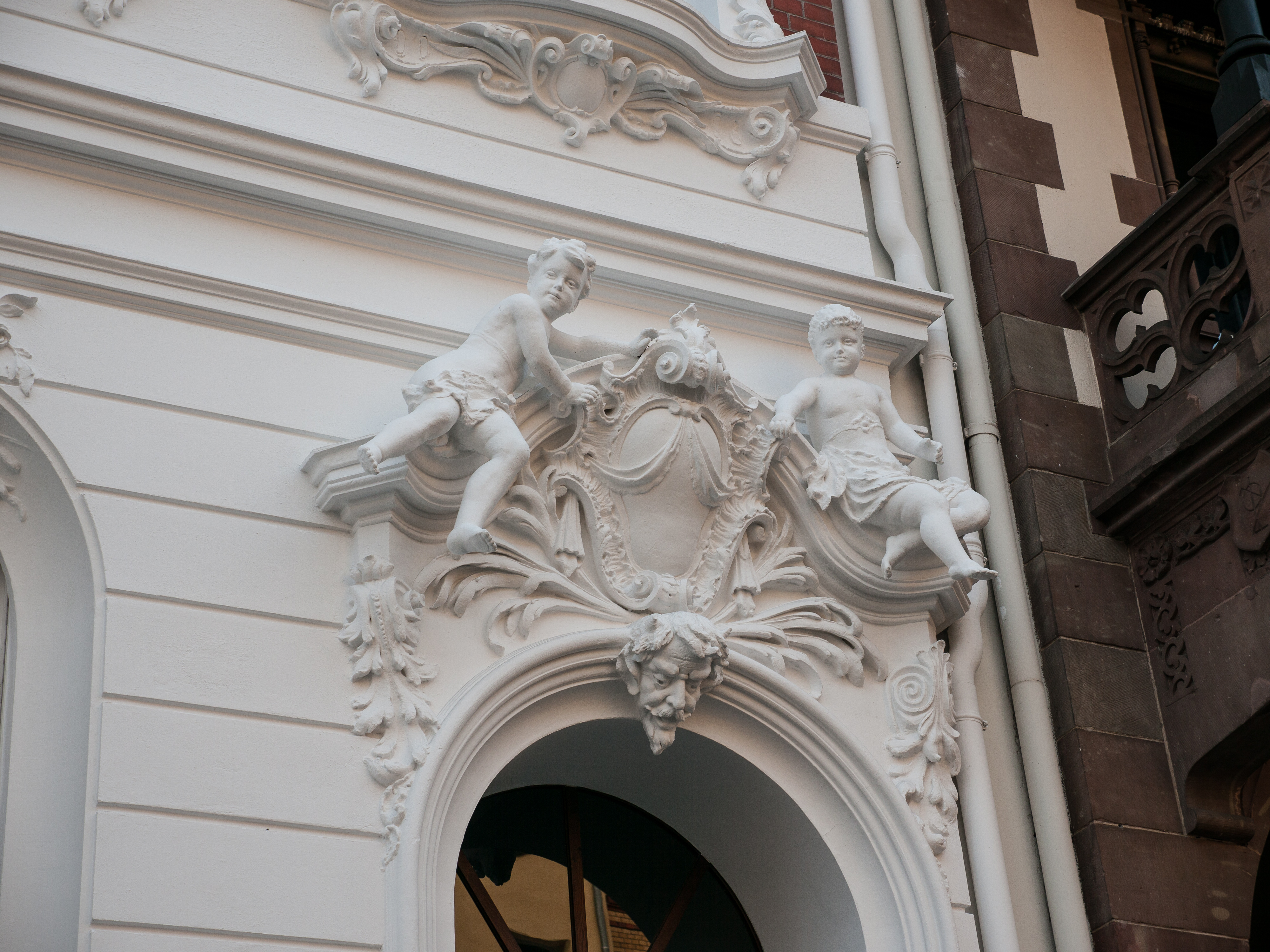
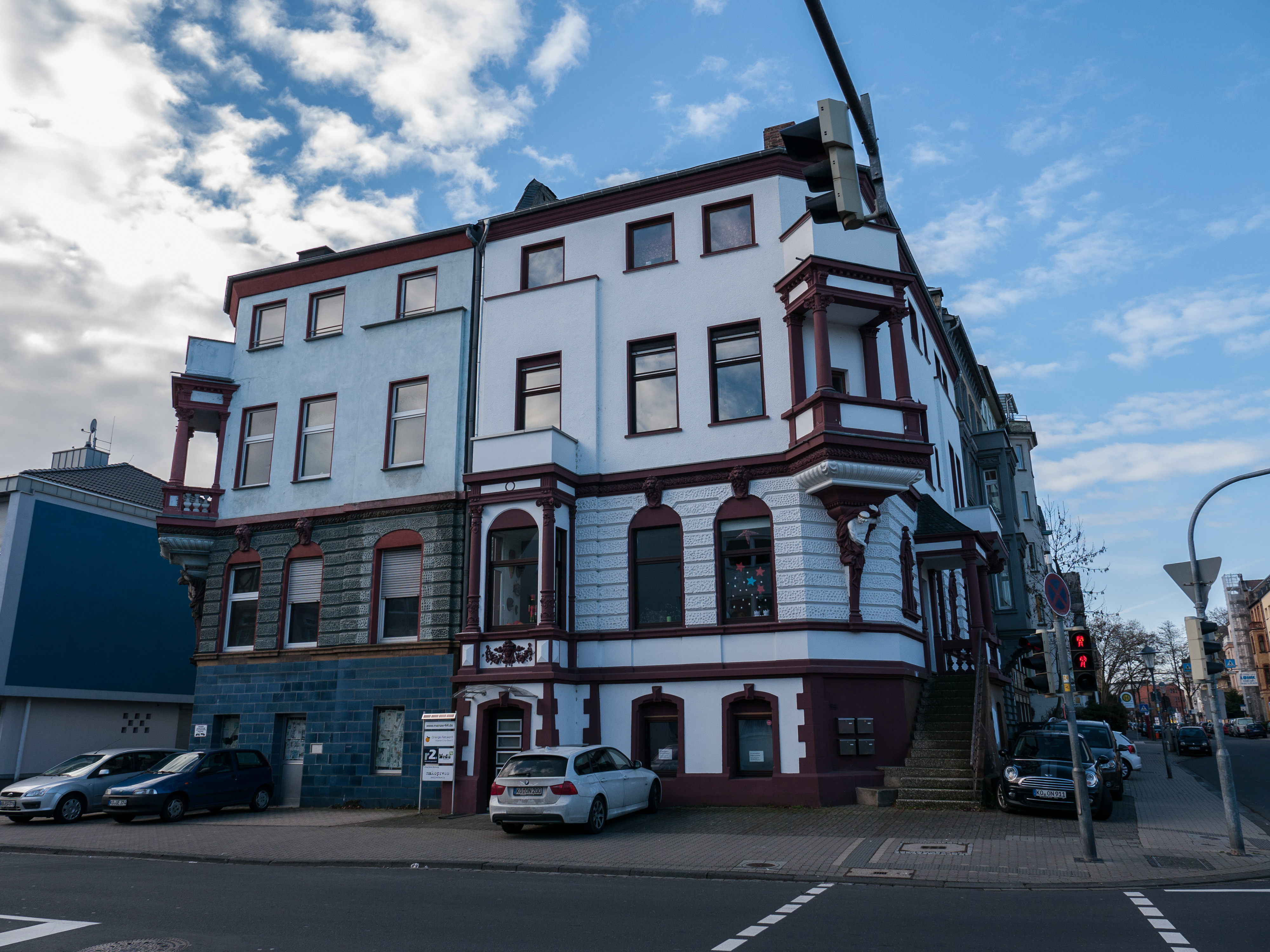
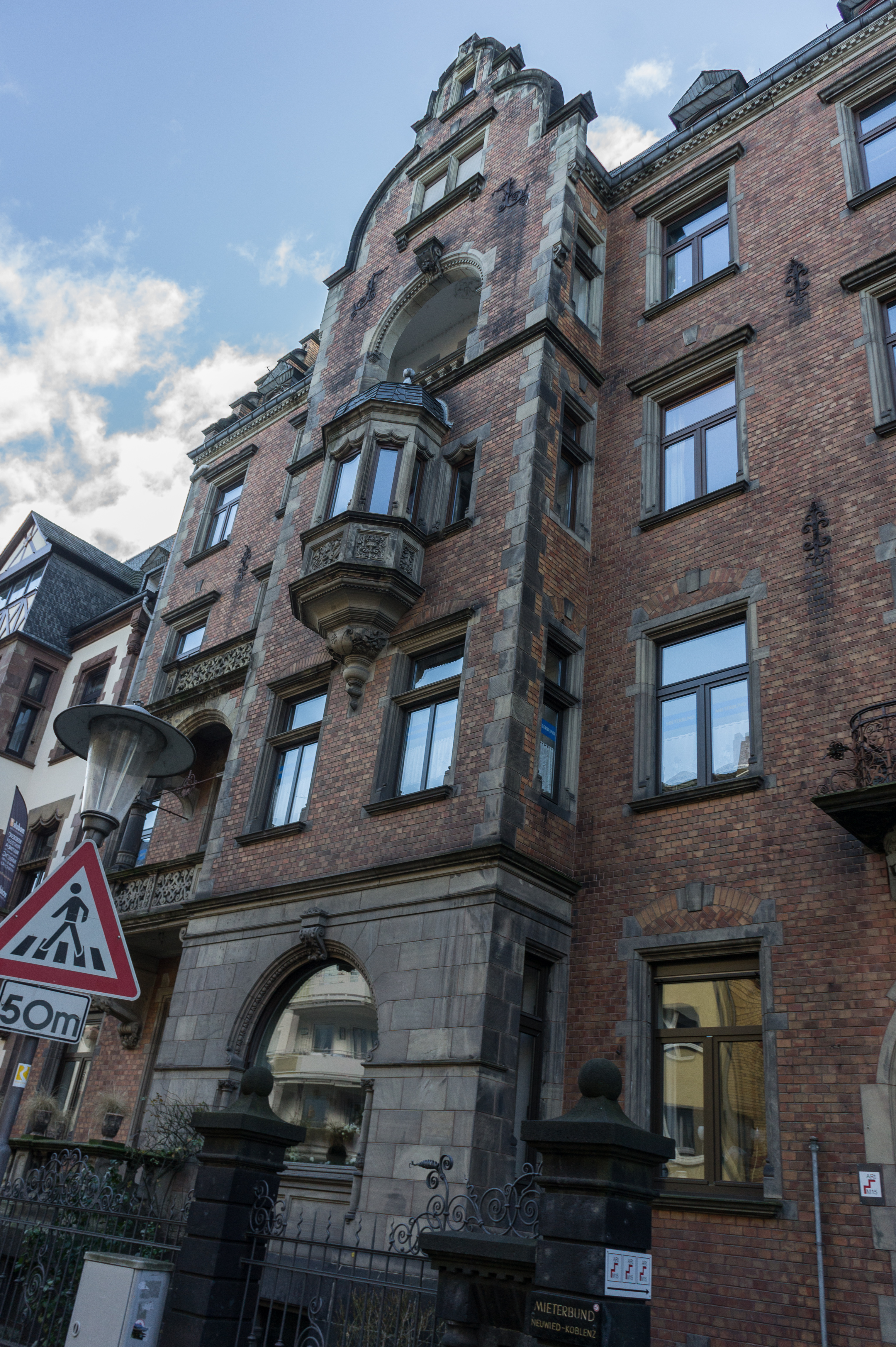


Juliana and I took a day trip to Koblenz by train. There we mainly visited Schloss Stolzenfels and of course the German Corner. And otherwise just felt like tourists. It was nice, a bit cold, but lots of sun.
Metabones announces Speed Booster lens adapter for mirrorless cameras: Digital Photography Review. The idea sounds compelling - simply use optics to compress the large full-frame image circle down to an APS-C image circle (approximately) and turn the 1.5x into a 1.1x with higher light intensity. But does it actually work as well in practice as described? I'm curious to see the test results.