Spherical aberration. Not only about spherical aberration, but also about the problem of focus shift when stopping down - the latter is not so intuitive to understand, because why should the point of best focus shift in the plane, just because you stop down - after all, only the depth of field is increased. But it's never quite that simple, especially with fast lenses.
fotografie - 20.1.2010 - 16.2.2011
BoPhoto.com: M8 coder - simple manual handcoding of M lenses. Another useful template to apply lens coding. Some Zeiss and Voigtländer lenses have a small gap at the bayonet, where you can even use paint for the marking, which then holds better and doesn't wear off as quickly. Or you can make the markings on thinner paper and clamp it between the lens and the body. It's a bit fiddly, but perhaps practical for occasional changing.
Tom Otterness: Superwoman
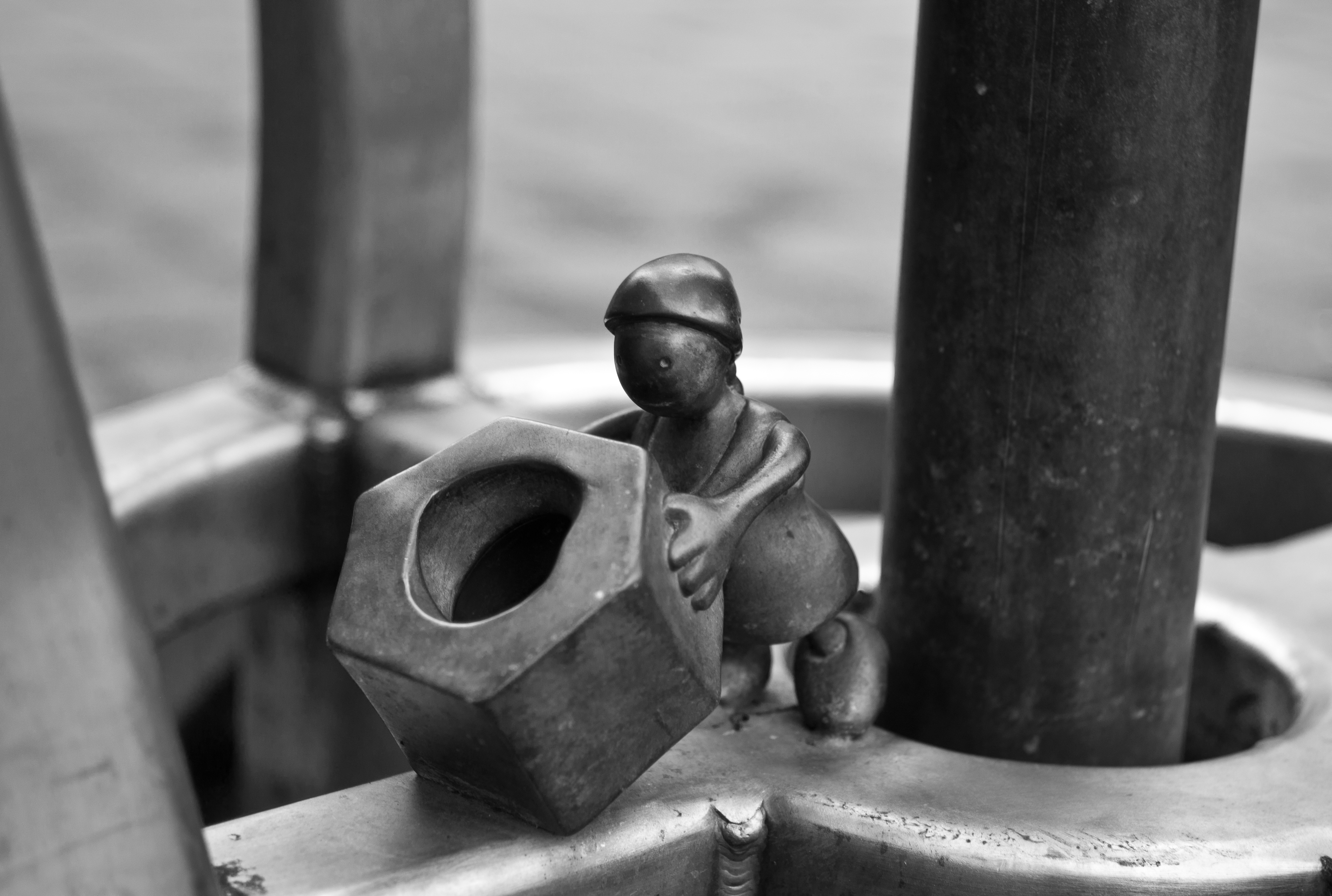
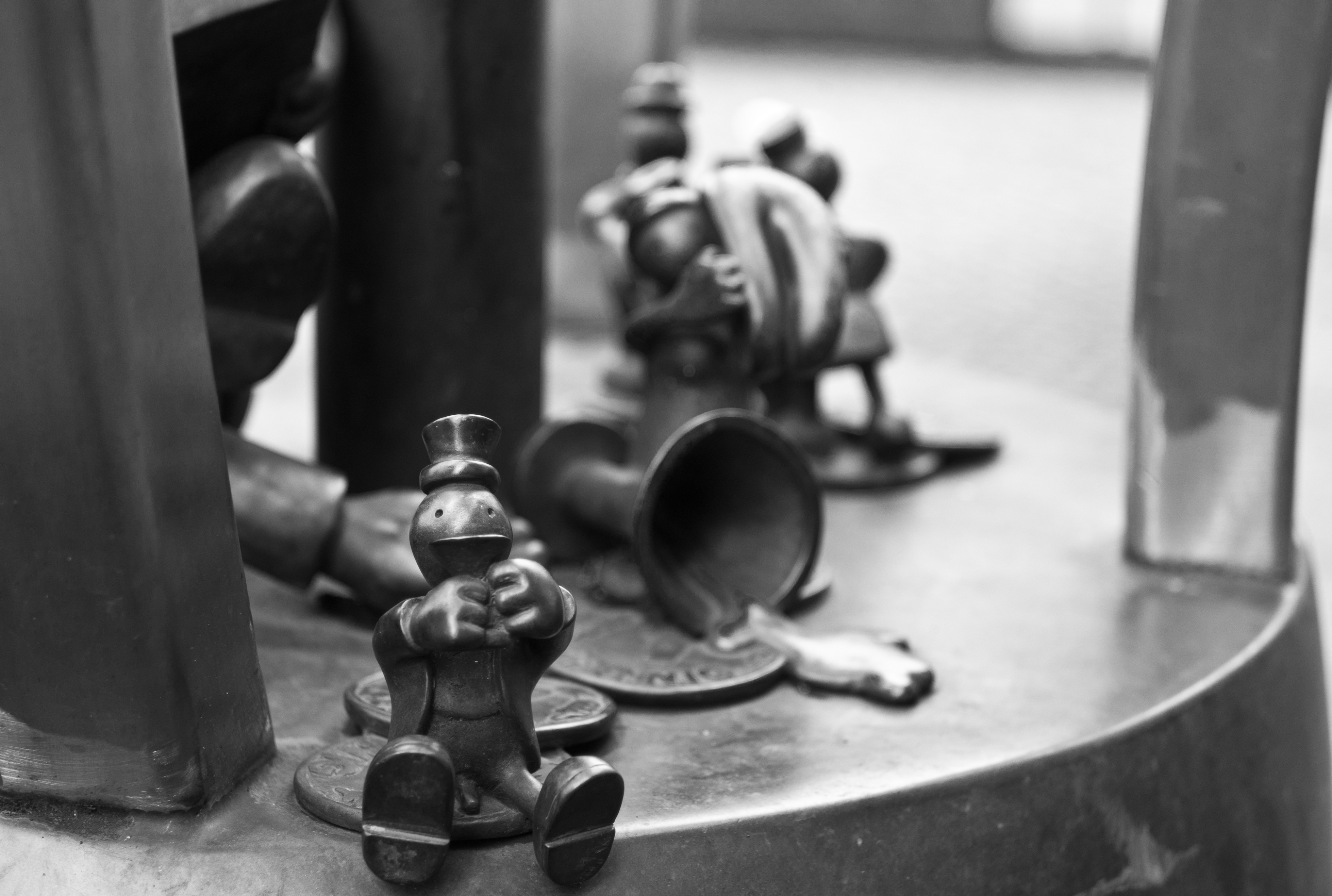
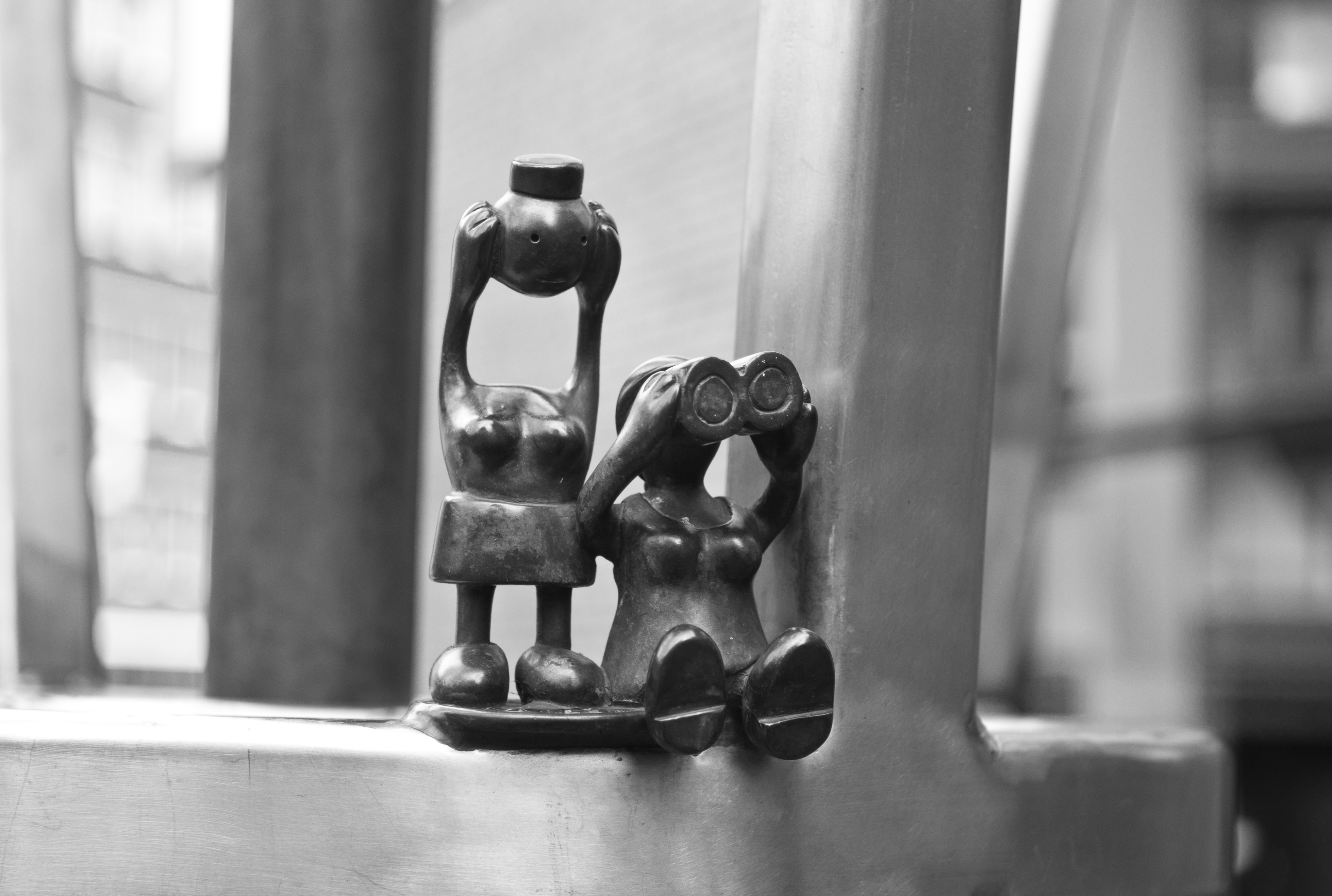
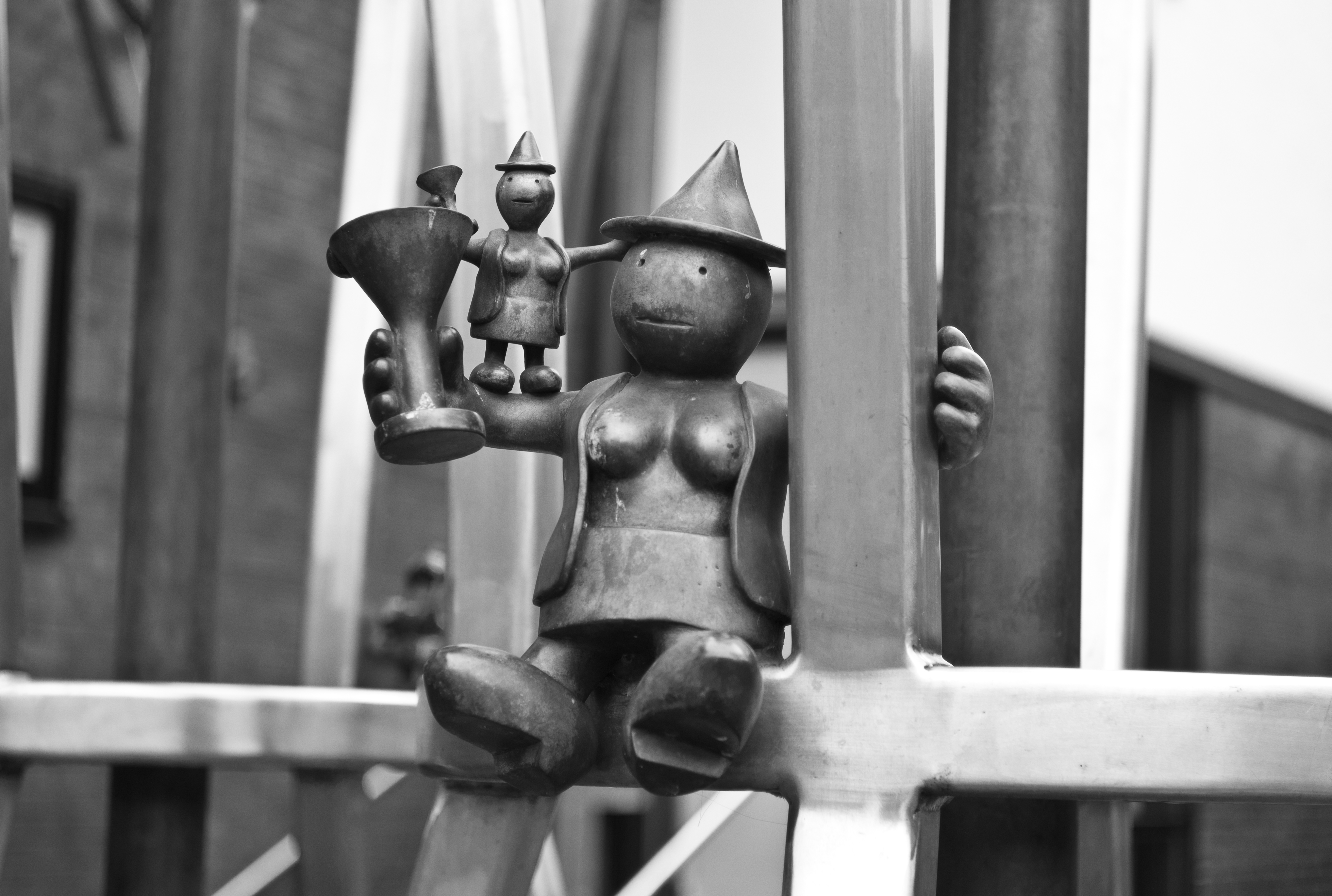
And here are a few examples with the same M8 and the 2.8/50 Elmar - but in the use for which I bought the camera. Black and white, as photos should be. Straight out of the camera, just the standard "B&W with blue filter high contrast" preset from Lightroom. Normally I would spend a bit more time on it, but I just wanted to put a few pictures online. It's silly to only use cameras but never show photos ...
Organ Pipes
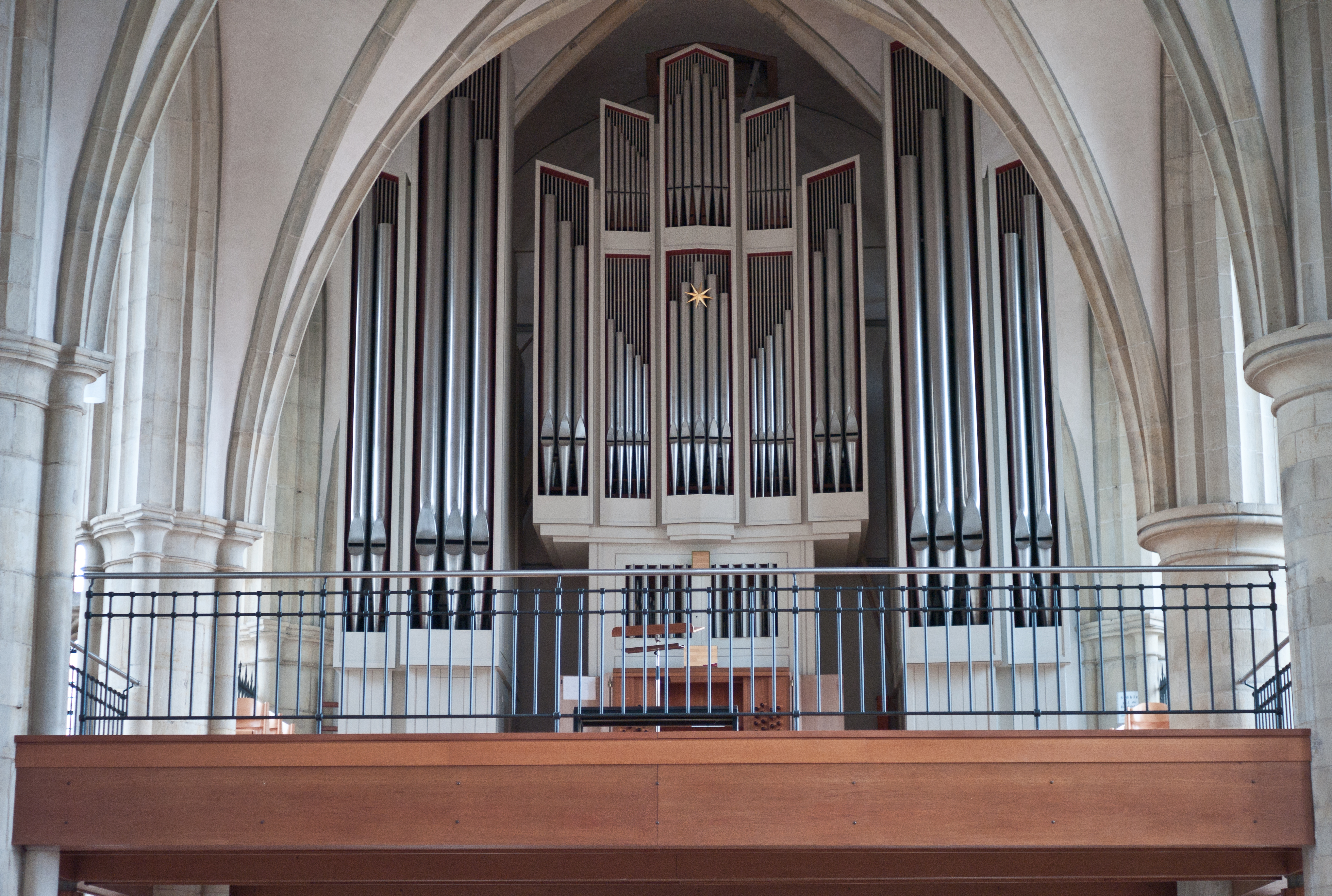
I just love the pattern of organ pipes. And hey, if you want to test a camera in Münster, organ pipes are always ready as a subject. And they won't run away if the photographer is too slow to focus again ... (Leica M8 with the 2.8/50 Elmar and yes, I have to get used to the parallax again, the M8 only shows a very small section in the viewfinder at greater distances, you have to mentally calculate)
Bracketeer: Exposure Processing Software. Hmm, I've only played with the built-in HDR in the Sony NEX so far, and with HDRTist (I think in the free version). But I could try this one as well. Currently available for 5 Euros in the AppStore.
KammaGamma » Articles » Solving the Leica M8 DNG riddle. Interesting because Leica still claims the M8 is a 16-bit camera - but only 8 bits per pixel are actually stored. The article sheds light on what this means for the images. Short version: reserves in the shadows, but fewer reserves in the highlights. Should be taken into account when photographing. What remains, however, is the dynamic range - because the LUT maps the entire dynamic range, it simply creates holes in the highlight gradations. Nevertheless, I would prefer it if Leica offered an optional DNG format in which all the RAW data would be stored. It would be possible with a firmware update. (By the way, the M9 offers compressed and uncompressed DNGs as a format)
Working Leica M8 Created Using Lego. And while we're at it, crazy cameras ...
Cameras. Specifically folding bellows view cameras, not old ones, but newly produced in various formats. Beautiful devices. Completely impractical, but hey, if I had the money and a realistic chance to overcome my anti-chemistry pig dog, then that would really be something exciting. So for me it's just nice to look at (the website - I wouldn't even buy a camera just to look at it).
Leica M Lens Codes. Since I bought a used M8 (yes, yes, quiet, no chatter) and now don't want to spend money on lens adapters (hey, you in the back, I heard you giggle!) - they cost around 100 euros per lens. Maybe later, but in the meantime, I might get by with a stencil, a black permanent marker, and this table.
"Press Kit" « Lucs Journal. A plugin for Lightroom that can export directly to the Wordpress Media Library or a NextGEN Gallery. However, of course again via xmlrpc.php, which I only reluctantly enable due to the more frequent security issues with it.
Beginners GH1 Custom Firmware Guide - EOSHD. Maybe I should take a look at custom firmware for the GH1. However, it's very video-heavy, and so far I haven't done much with it.
Carl Zeiss joins Micro Four Thirds System - and this makes things more interesting for my Panasonics again, as the Zeiss video lenses could really be great additions to the system. And what Schneider-Kreuznach will bring is not yet known, but they have already delivered interesting things for the field of digital large format cameras. I say photography technology is really exciting at the moment.
Newcomer: Kenko to offer system camera with C-mount lenses. Simply interesting because this brings another somewhat unusual system camera - C-mount are compact video lenses, there are also some from Zeiss (so with quite good quality) and the image circle of these optics is rather suitable for compact camera chips. This naturally means worse low-light capability, but chances for very compact bodies (although my NEX with its APS-C chip already delivers a very compact body). It's a bit like the heyday of analog photography in the 35mm format again, when the market became really colorful with the Olympus Pen, the Pentax 110 and other camera exotics. I like it.
Lenzig
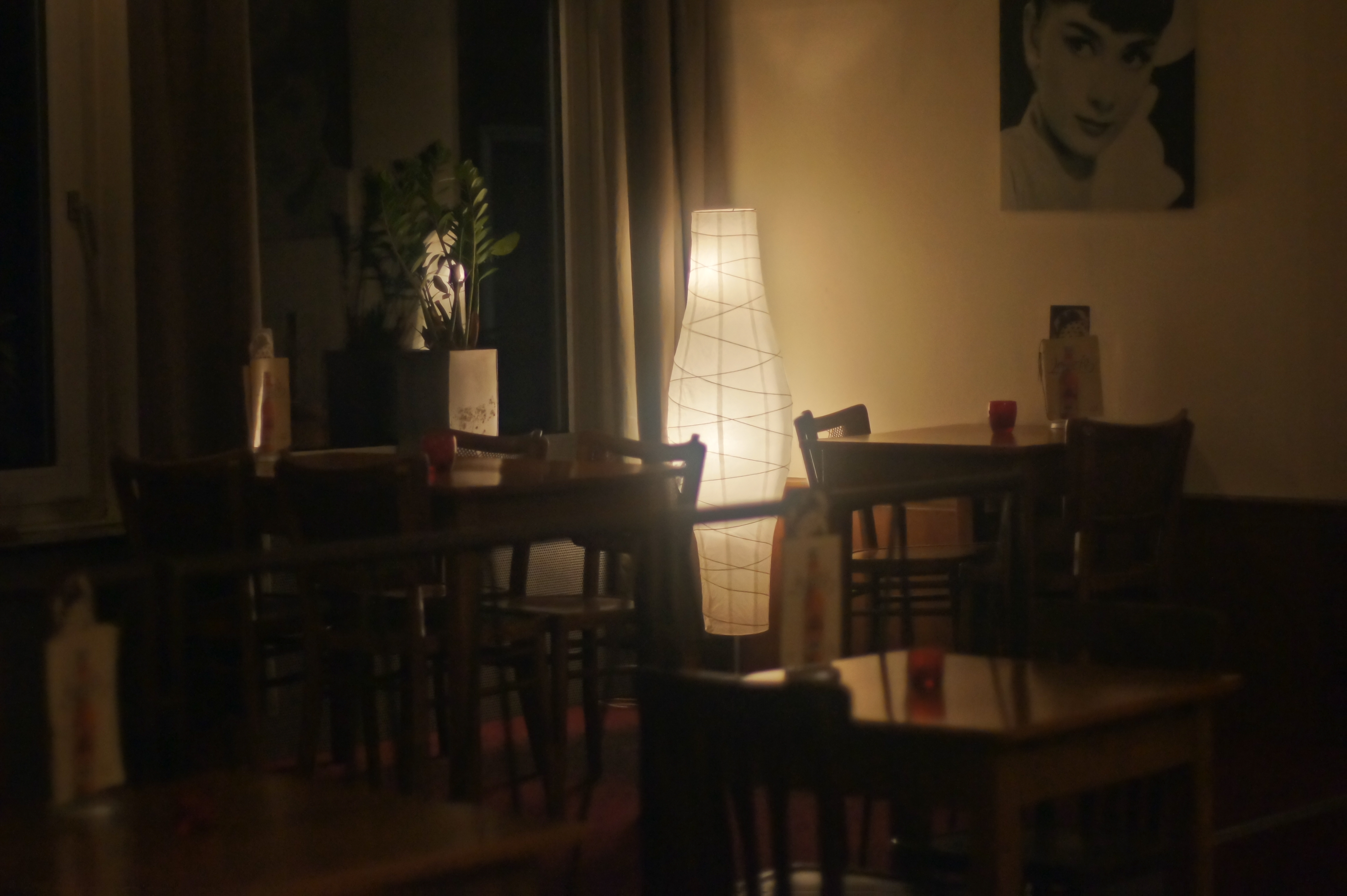
Played around with the Auto-HDR of the Nex-3 in Cafe Lenzig, also used the Zeiss 50/1.4 via Novoflex adapter. Somehow, I really like this.
It seems that the Sony Alpha NEX-Open-Source-Firmware is Linux-based. I can't yet say exactly what's behind it, but Sony has Linux Kernel downloads (and the usual embedded tools) for the NEX on the server. If there's really a Linux running on it, this could become a hacker's paradise in the long run!
SLR Magic 35 1.7 Lens review on the Sony NEX-5. Interesting - cheap - lens for the Sony NEX. Basically, this is a lens like those used in surveillance cameras, adapted to the E mount. The optical quality is "interesting" - basically a fun lens for experiments.
Ricoh developing M-mount module for GXR system: I ended up with the Sony Nex 3 to revive my Leica lenses. And I am very satisfied with the new firmware for the Nexes. But the GXR with such an M module would certainly also be quite interesting (though probably not price-wise).
Ice Sculptures in Nizhny Tagil
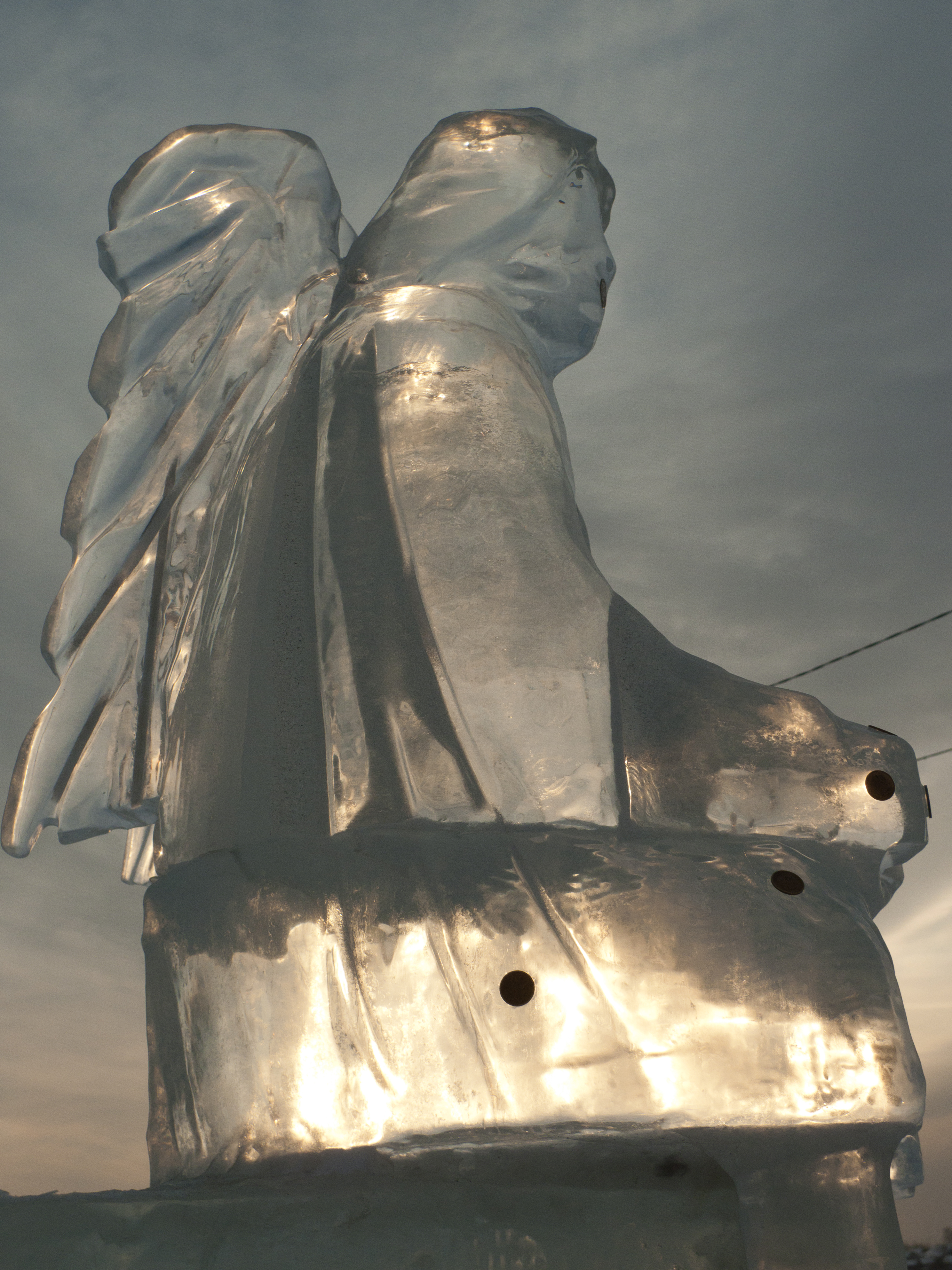
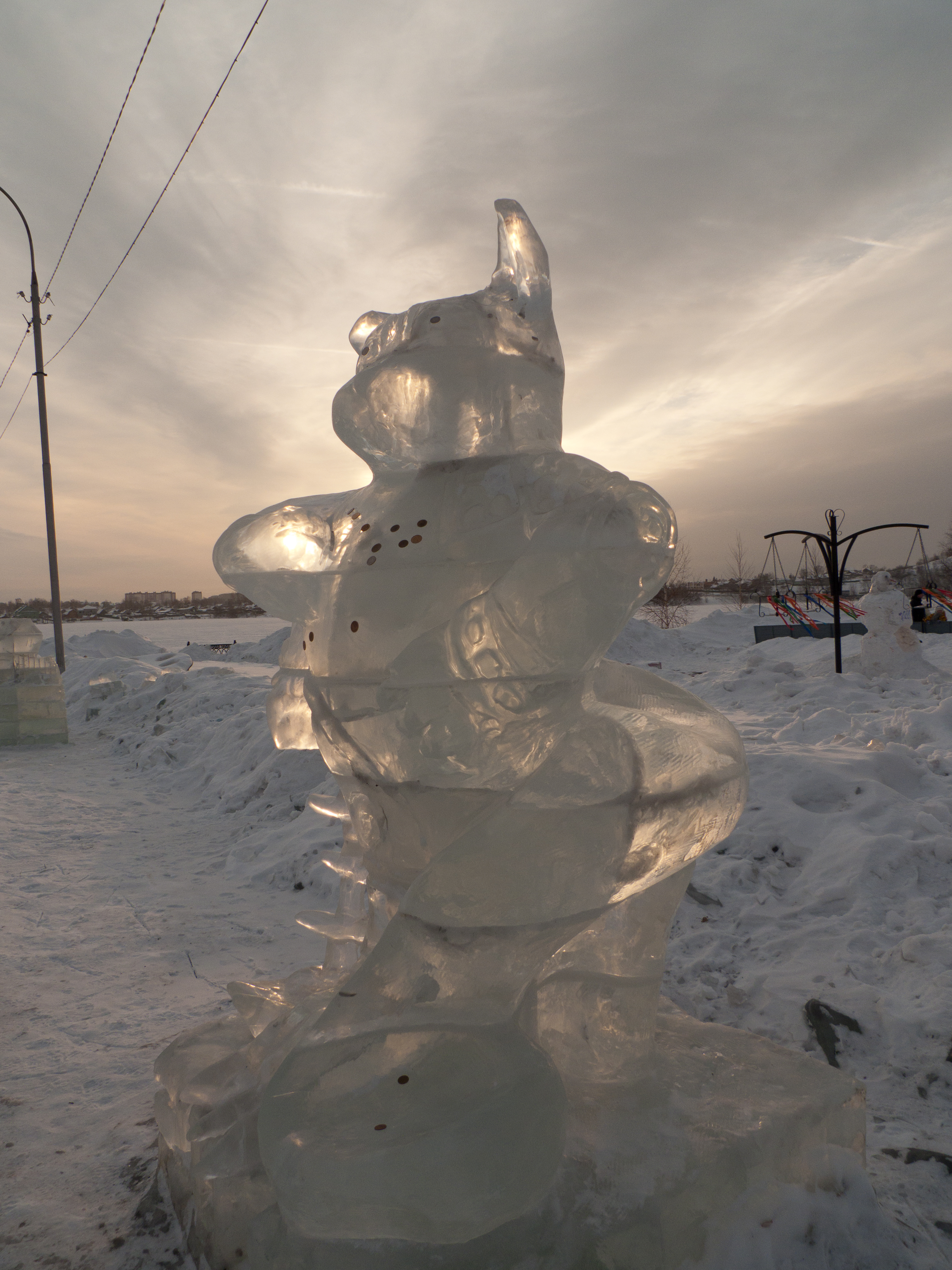
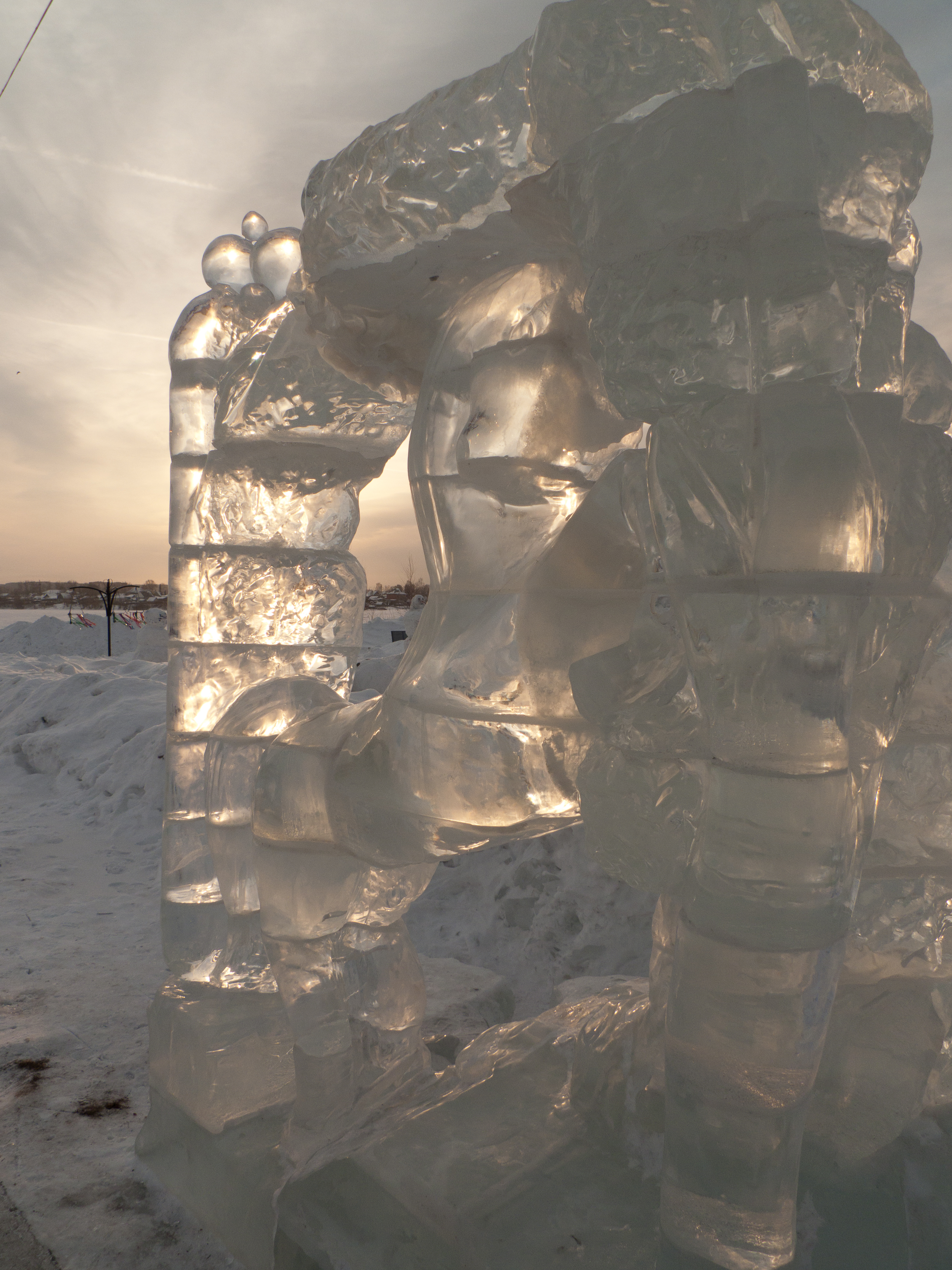
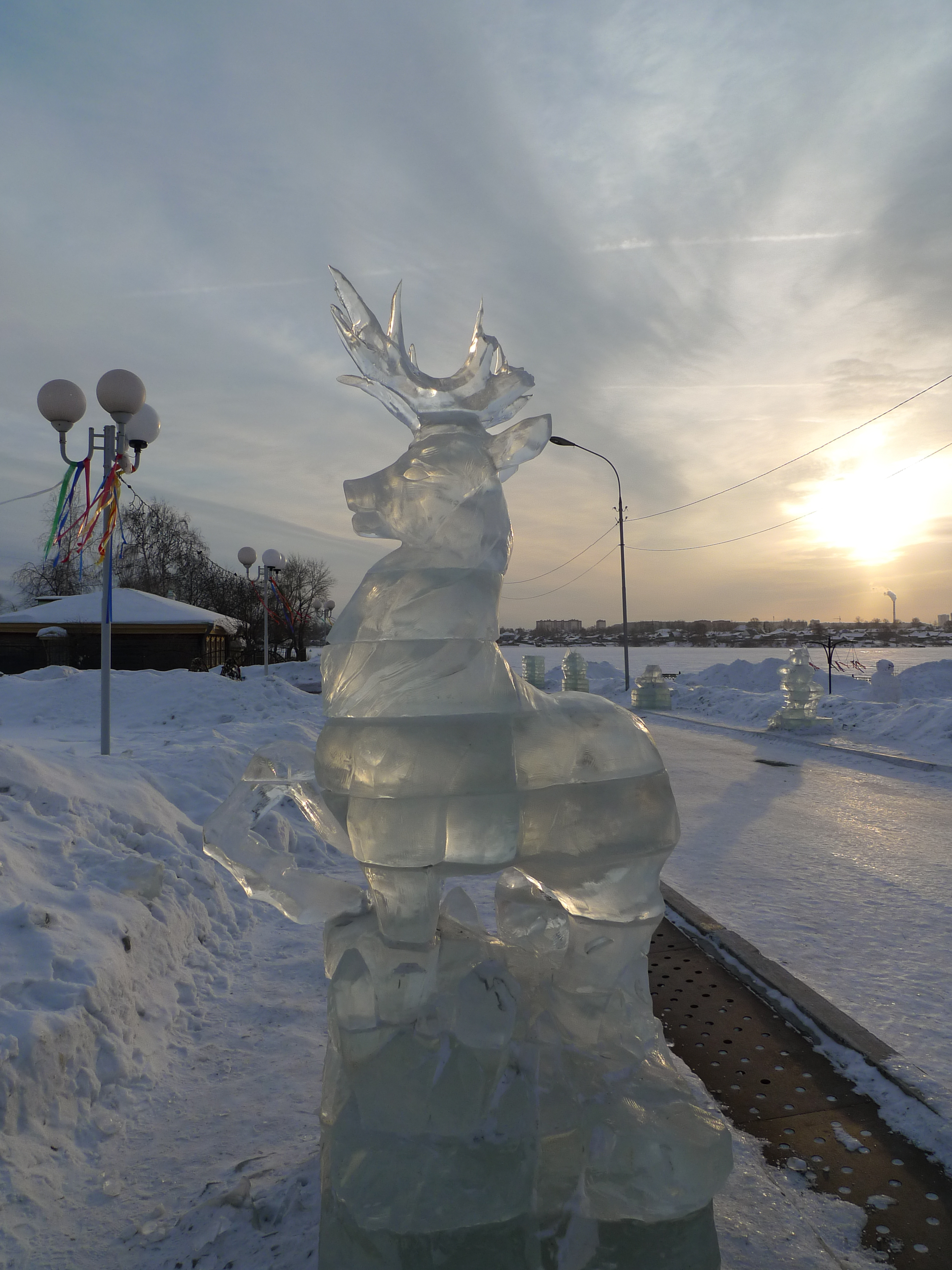
Every year on New Year's Eve, ice or snow sculptures are built and exhibited in various places in Nizhniy Tagil. Here are a few that I really liked.
Home | The FinePix X100 Professional Photographer's compact digital camera from Fujifilm. It all looks quite interesting. But as long as you can't hold it in your hands, it's all still speculation.
Now also available on instagr.am - of course as rfc1437. I've been doing something similar on tumblr for quite some time now, and Instagram is an amazingly practical uploader for tumblr.
Autumn
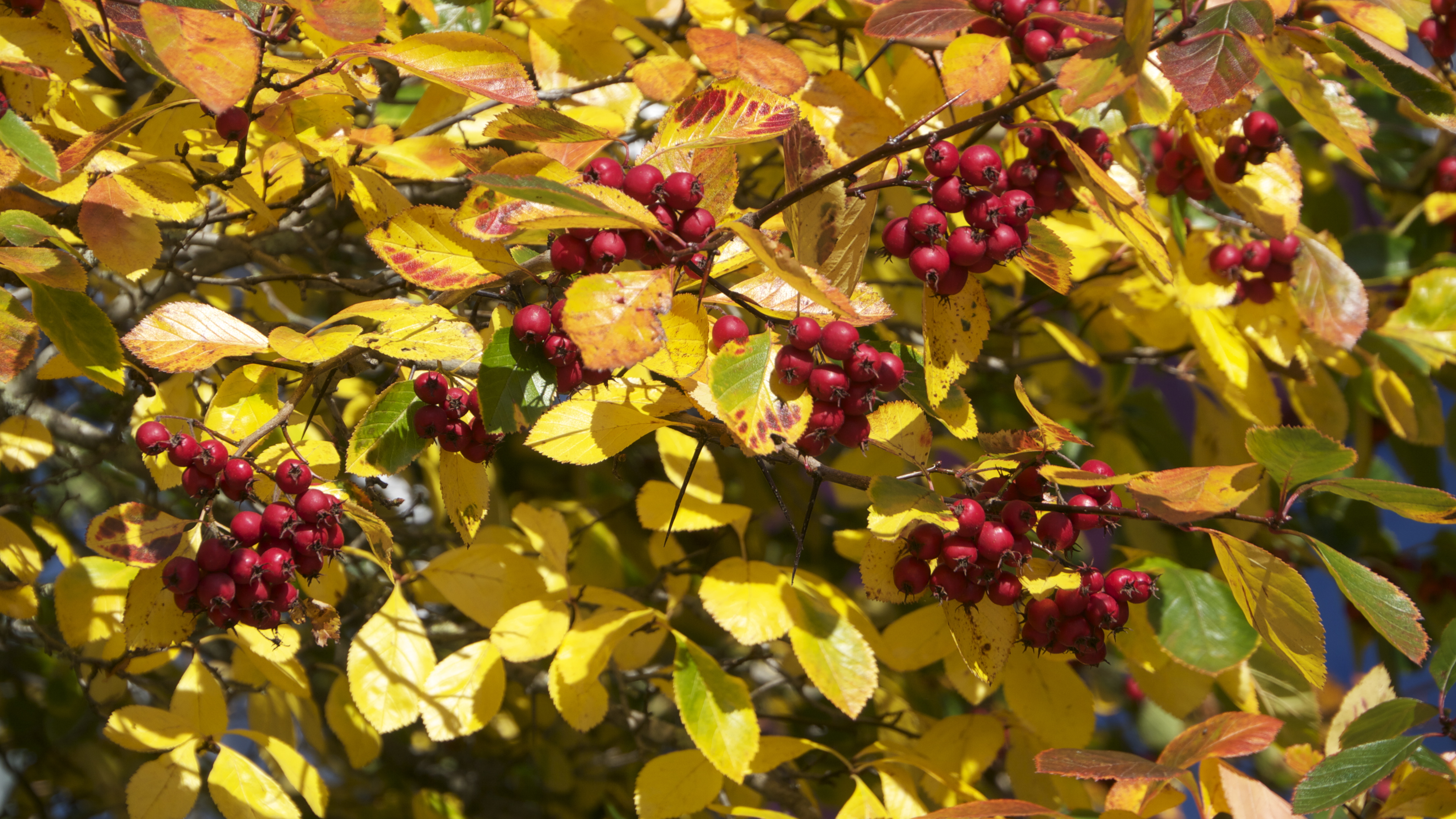
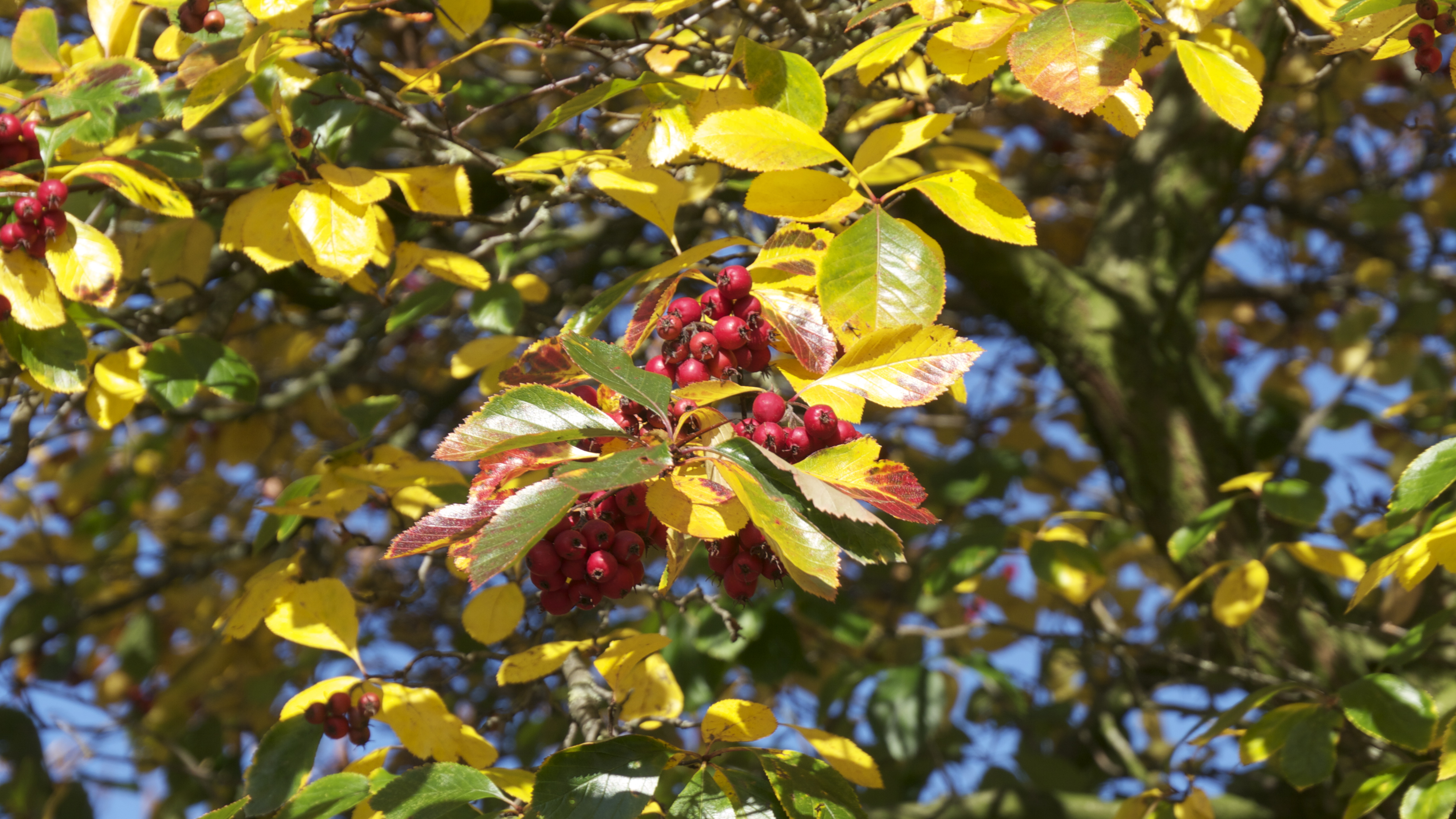
Just pictures from autumn. These are still from Papenburg, so a few weeks old. By now, it looks a bit gloomier.
Fat Cat Software - iPhoto Library Manager - since I was stupid enough to create a photo book on a different Mac than usual (well, the usual one was always busy), I guess I have to check this out to see if I can merge my books onto a single machine. It's a shame that Apple doesn't offer any merge function in iPhoto. With a notebook and a desktop, you quickly end up with separate libraries. If Lightroom supported book printing, I would have left iPhoto long ago. It's all a bit unsatisfactory.
Panasonic DMC-GF2 Preview: 1. Introduction: Digital Photography Review - I hate you, Panasonic. Now I want the cute little GF2+14mm Kit. Damn it. First Apple with the MacBook Air and now Panasonic, everyone just wants my money.
Links
rfc1437 | Content-type: matter-transport/sentient-life-form - Strong trends towards "throw away with archive and start from scratch" with slight options for "throw away, static archive and maybe shovel a part into the new platform if I find the time". The link shows where I'm currently playing around. Wordpress with a few small plugins and an nginx caching front.
Bitrot
I've been hit by this as well. My old blog software probably won't be able to survive unchanged. Old Python version (2.3), old (very old) Django (0.91), old PsycoPG driver (1.0), old PostgreSQL (7.4) and all of this on an old Debian (a wild mix of various versions with backports and custom programs and several failed upgrade attempts). Argh.
Well, I'm still torn between "rewrite" and "throw away". The latter has the charm that I won't have to carry all that junk around anymore. And honestly, nothing particularly interesting ever happened on my blog anyway. Maybe I can set up a wget mirror beforehand and dump the whole thing somewhere statically, as an archive.
Rewriting naturally has a lot of charm as well, but converting thousands of old entries (over 4000 articles and over 4000 links, plus almost 200 images) from 8 years (first entry on 3.11.2002) of blogging doesn't sound like fun. And presumably, thousands of the links are outdated and obsolete anyway.
No idea what I'll do, maybe I'll try to bring the Metaeule to the new box first, where I only have the problem that PHP4 is no longer in the Ubuntu repository for 10.04 and I therefore have to force the owl onto PHP5 (and that with code based on Wordpress 1.5 - I must really be crazy).
Or I try to install an ancient Debian with the packages used at the time - the box doesn't run in the front anyway, but behind other machines, so the hacking risk is rather low at this point. The Metaeule naturally also has a few thousand posts in the archive (only 8291, which is almost nothing), but if I can keep the old software running (some security patches have been applied over time, so it can actually continue to tinker along), I don't necessarily have to tackle it.
Somehow, the internet was also such a really bad idea ...
Twisted Orchestration Language in Launchpad - and someone has ported the Orc combinators to Python, using Twisted. However, I personally find Twisted rather disgusting to program, but if you like ...
Kilim - stumbled upon this while browsing the Orc documentation, a microthread library for Java.
Orc Language - haven't read anything about it yet, but it looks quite interesting. The core is Cor, a functional language without side effects, and Orc, which is built on top of it, is used for orchestrating services in distributed systems. The whole thing in a quite appealing, compact syntax on the JVM. One could certainly take a look at it as an alternative to Scala and Clojure, Java is integrated as an external service, which makes it quite easy to build distributed systems in which parts are implemented in Java. It reminds me in many points strongly of the ideas of Erlang (generally assume a distributed system, but still keep parts local for performance reasons), but I find the syntax much more pleasant. And with the JVM a much more widespread VM than Erlang's BEAM.
Interactive Fabrication » Beautiful Modeler - wow, that's incredibly cool.
Tornado Web Server Documentation - I really need to take a closer look at Tornado. For a side project, I've built a web service with web.py, which was shockingly simple (and dirty). Tornado is based on a very similar concept, throws Django-like templates into the mix and offers a good asynchronous server and support for asynchronous sockets and http requests right away. Could be a good alternative for web services that need few resources.
Fat Cat Software - iPhoto Library Manager - since I was stupid enough to make a photobook on a different Mac than usual (well, the usual one was always occupied), I'll probably have to take a look at this to see if I can merge my books onto a single machine. It's quite annoying that Apple doesn't offer any merge function in iPhoto. With a notebook and a desktop, you quickly end up with separate libraries. If Lightroom supported book printing, I would have been gone from iPhoto a long time ago. Everything is somehow not quite satisfying.
The V4Z80P – A Z80 Based Laptop @ Retroleum - here someone not only builds his own computer with his own system, it's also a laptop. Or something similar anyway.
Oracle cooks up free and premium JVMs - and Oracle begins to try to cash in on Java. If it works, Java could soon be in a similar situation as .NET: the free implementations lag behind the scope of the commercial ones. What this means for alternative languages on the JVM remains to be seen - but it will certainly cause some problems. However, the JVM world is large enough and equipped with enough alternatives, and Oracle is not Microsoft. Therefore, this could all just be a storm in a teacup and only affect the typical Oracle victims.
Kunsthalle Bielefeld: Der Westfälische Expressionismus - I think I actually have a reason to drive to Bielefeld.
Mediathek für Mac OS X - I need to check this out. After all, archiving is now the viewers' job thanks to stupid private broadcasters (and politicians who have made themselves their errand boys).
Panasonic DMC-GF2 Preview: 1. Introduction: Digital Photography Review - I hate you, Panasonic. Now I want the cute little GF2+14mm kit. Menno. First Apple with the MacBook Air and now Panasonic, everyone just wants my money.
Eventlet Networking Library - I need to take a closer look at this, the monkey-patching of standard libraries to make them trivial to use in an asynchronous environment looks very interesting.
Shotwell - stumbled upon this, a photo manager for Linux that is quite similar to iPhoto on the Mac. Will likely replace f-spot in the upcoming Ubuntu (which I think is a good thing, as f-spot is too primitive, even for casual users). Looks quite nice.
Finepix X100: Fujifilm introduces compact camera with APS-C sensor - Golem.de - sounds quite interesting, maybe a nice alternative below (but the price might be rather high ...)
Fujifilm FinePix X100: Where the Hell Did THIS Come From? | Enticing the Light - more images, first rumors about the price and a first look through the viewfinder.
Fujifilm unveils FinePix X100 large-sensor compact: Digital Photography Review - the more I read about this camera, the more interesting it sounds.
Cosina joins Micro Four Thirds system: Digital Photography Review - I've been waiting for this for a while, for one of the independent optical manufacturers to jump on the Micro 4/3 bandwagon. The fact that it's Cosina makes me particularly happy - they have a whole range of optical delights in their lineup. And the Nokton 25/0.95 announced for October is one of them. A highly light-sensitive lens in this form could make the GF1 really fun. However, focusing will then be quite a gamble at full aperture: the lens has no autofocus.
If anyone wonders where I was - among other places, in Berlin.
where I was too - in Paris.
Panasonic DMC-LX5K Support and Service Information - the successor to the LX3 is in the works - and the data looks very good. Hopefully, they have added a lock to the mode dial or designed the detents to be a bit firmer. The extended focal length range and the extra shutter button for filming are already good. The LX3 is currently my favorite always-with-me camera, despite the somewhat annoying mode dial that adjusts itself too easily.
HDR Test
HDR Test
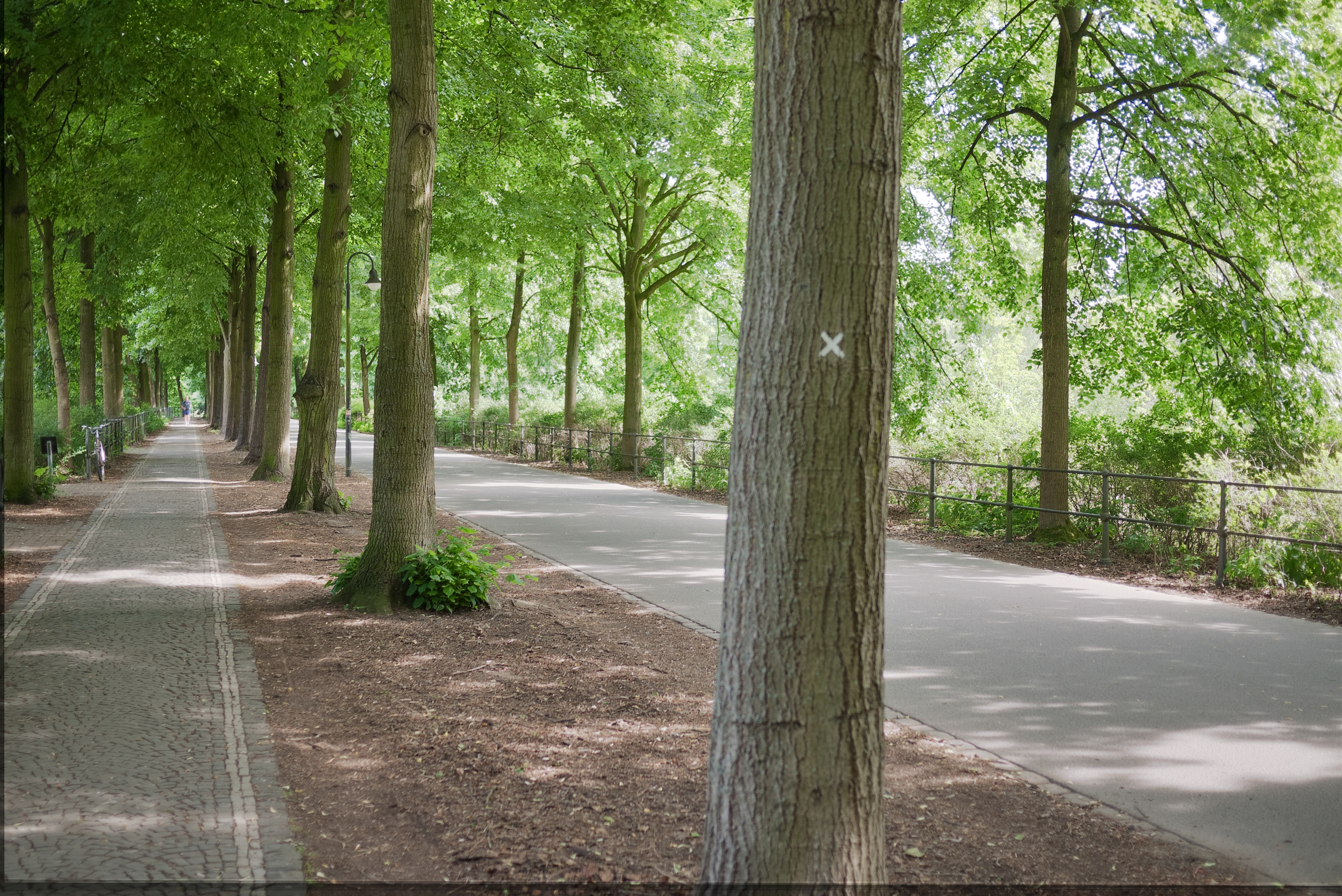
Just a simple test with HDRTist, a free software for the Mac for HDR photography. Individual images were 7 JPG images in 2/3 aperture steps, taken handheld with the Panasonic GF1. What stands out: HDRTist aligns the images correctly but keeps the edge in the image file (clearly visible at the bottom and left). You should therefore crop again after the HDR processing (and due to the inevitable position changes in handheld series recordings, plan for some edge in the recording). Surprisingly, the tone mapping is very natural and in small comparisons the combination and tone mapping are much more pleasing than with commercial alternatives that I have tested.
HDRtist "HDR Software will never be the same" - Ohanaware - the software I used for the HDR test. No adjustment options beyond simple calculation strengths for the individual images. But the result pleases me and looks quite natural.
kenkeiter's ryfi - blogged for later. A Ruby server that can work with EyeFi cards and enables you to do more with photos than just store them. With this, you could build automatic syncs to your own cloud or other fun stuff.
Creaceed - Hydra - I should check this out, as it has several tone-mapping algorithms and supports pixel mapping/morphing, so you don't necessarily have to work with a tripod (though of course you have to make compromises then). Additionally, it is available as a Lightroom plugin.
HDR PhotoStudio: HDR photo software, HDR merge & editing, BEF plug-in, realistic HDR imaging - and another software that focuses on correct color representation and not this silly pseudo-HDR look.
Mamiya announces RZ33 medium format camera - well, if I had 18,000 US dollars to burn, that would certainly be a charming way to do it. Mamiya's medium format optics are of the highest quality and the RZ series is a very solid system. Okay, the RB has even more charm, but packing so much digital technology into a mechanical device is only Leica. There have been digital backs that can be attached to the RZ for quite some time, but a completely integrated system is of course even more beautiful. Interesting that Mamiya, in times when medium format is moving more towards smaller systems (their own 6x4.5 system, Pentax with its announced digital system, Hasselblad with the Fuji cooperation H1), is once again building one of the really big ones. Great. Even if I won't have 18,000 US dollars to burn in the near to medium (and probably even distant) future ...
RFC1437 on the Road: Archive - hey, Tumblr has a new archive format, and I find it nice. In the last few months, Tumblr has proven to be a really fun photo blogging solution for me, especially because it allows title-free posts. Having to come up with a title for each photo has kept me from posting many times.
It's only been a month ...
Just a month ago ...](/media/gerade-mal-ein-monat-ist-das-her/)
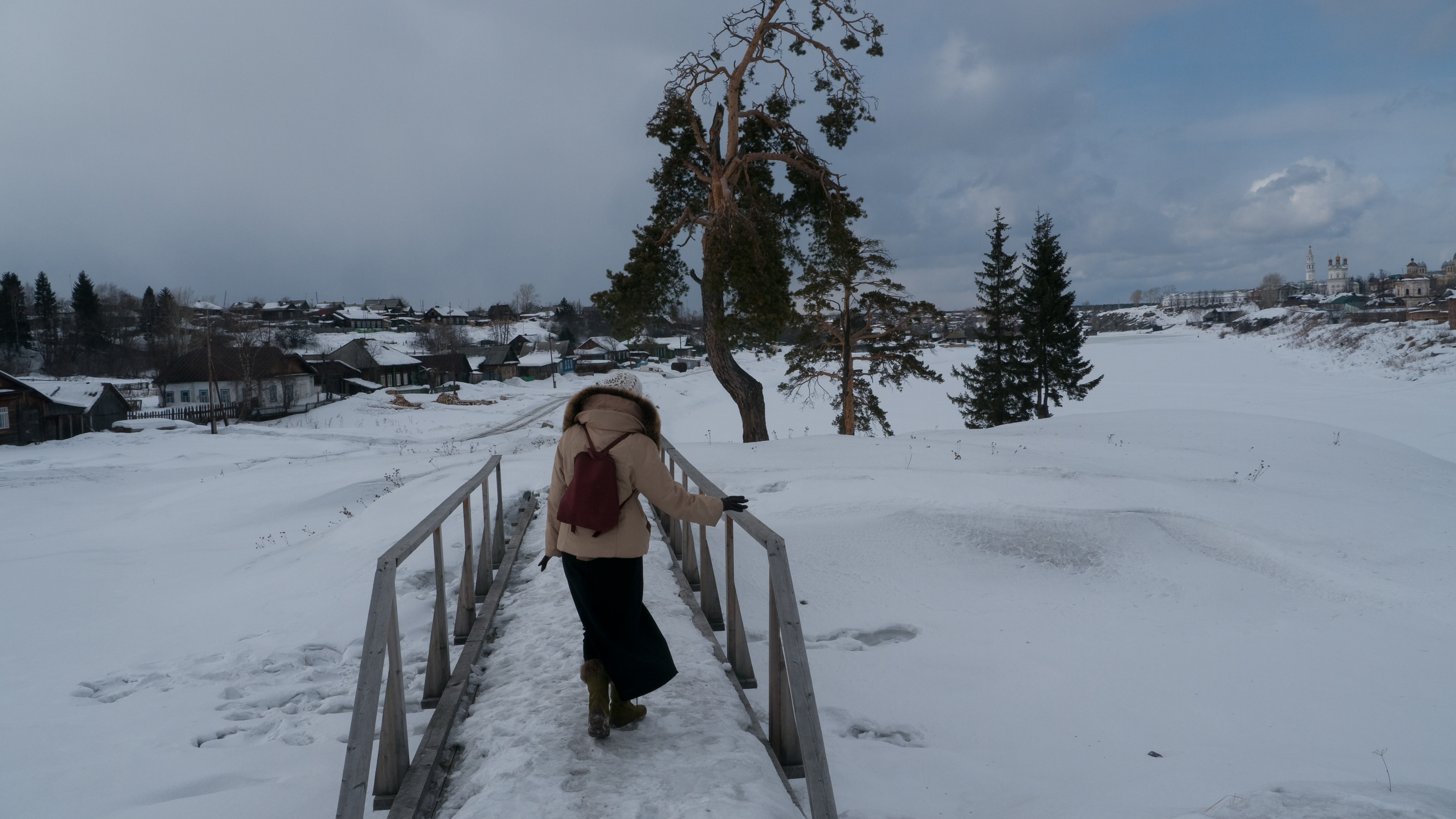
Yes, that's in Russia.
HoudahGeo - Photo Geocoding for Mac - I should definitely check that out. On my last vacation trips, it was a bit of a shame that I didn't have any points on the map. And the idea of simply taking reference photos with the iPhone and using its GPS and timestamp for the subsequent coding of the photos is not a bad one at all.
Large manufacturer differences in digital camera defects - Golem.de - my decision for Panasonic seems to have been quite reasonable.
Jobo AG & Jobo Labortechnik GmbH are insolvent (updated) | photoscala - great, I just bought a Jobo image tank last year, so firmware updates might become problematic in the near future. Okay, I don't plan to buy new cameras anytime soon (I just renovated my system), but still...
Foto verboten - we can still hope that the British way will not prevail in the EU. However, the EU has already adopted some completely stupid ideas in the past. For amateur photographers, who usually do not have their photos registered with a recognized agency (we can assume that photo agencies will continue to ensure that their own rights are protected), this would be quite catastrophic.
Twitpic / Astro_Soichi - twitter from space ... (the photographer is sitting in the ISS)
Introducing Bibble 5 - don't forget the old acquaintances. Bibble 5 is also available in a Linux version and Bibble 5 also has Asset Management (which LightZone lacks). Major disadvantage of Bibble: they refuse to implement DNG with, in my opinion, rather silly arguments ("we don't want to work with Adobe-converted files and explain why the results look different from those from original RAW"). This leads to cameras with direct DNG output (Ricoh, Leica) not being supported and my converted old formats from the Kodak DCS 520, which has not been available for many years, also not being supported. Quite stupid, because otherwise it is quite close to Lightroom in structure.
kbarni's bibble plugins - Plugins - various plugins for Bibble, some of which are free. If I actually get involved with Bibble, this would certainly also be an important point.
LightZone « lightcrafts - stumbled upon it by chance, nice image editing software for RAW photos. Written in Java, therefore available on all platforms (Windows, MacOS X and Linux). No usable software for managing the image archive included - this has to be realized externally - but images are edited non-destructively, results saved in JPG files (including the stack of applied tools). All in all, it looks quite nice and could be an alternative to LightRoom if I find a usable image archive software for Linux (at least a more usable one than I have so far - unfortunately, Picasa does not support Panasonic-RAW in the Linux version).
Chipformate digitaler Kameras - just for size comparison and to visualize the previous link. All the small fuss down there on the left - that's where the compact cameras are. (the sizes are not depicted 1:1, otherwise it would probably have been too difficult to label them)
