Moorsee
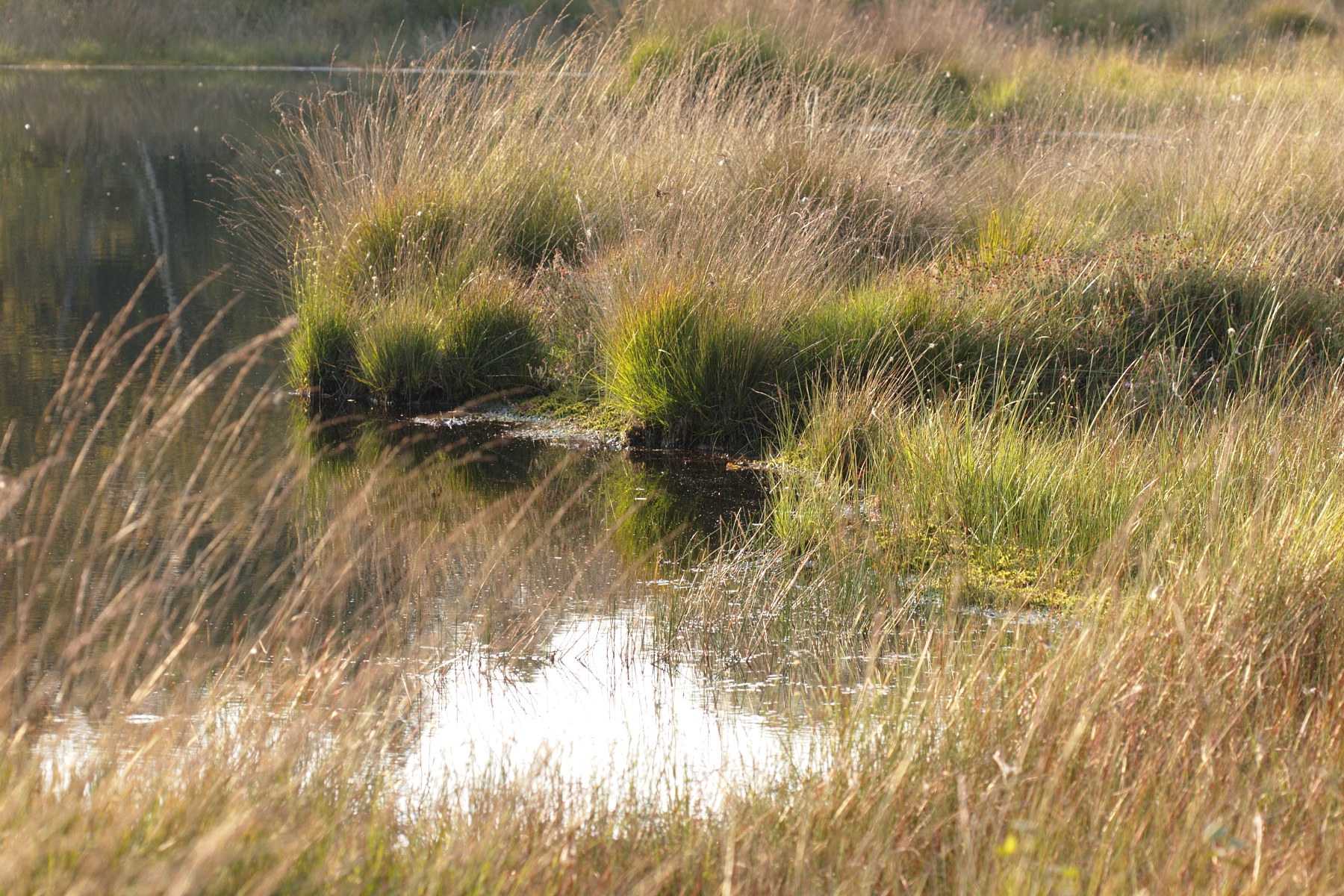
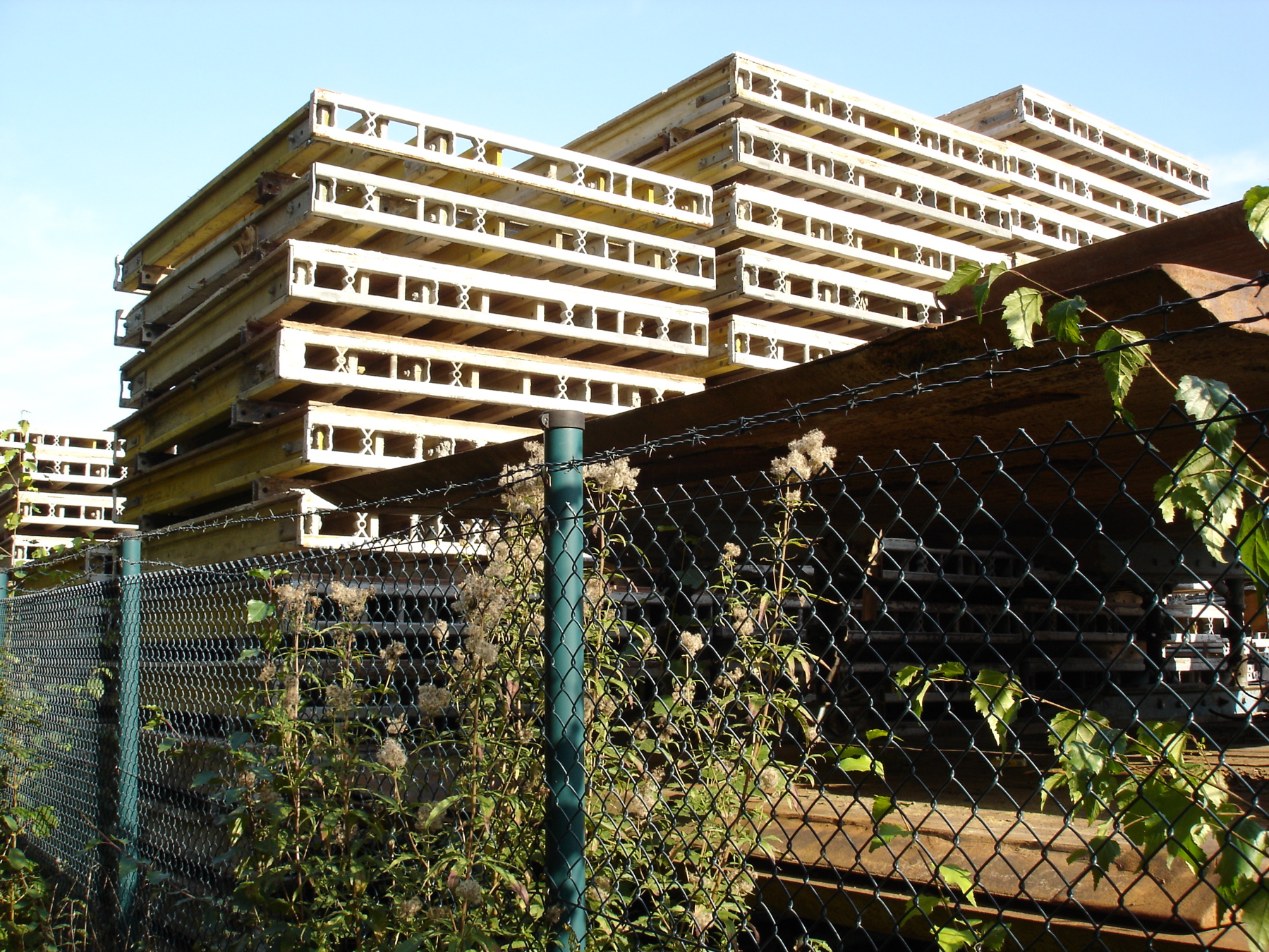
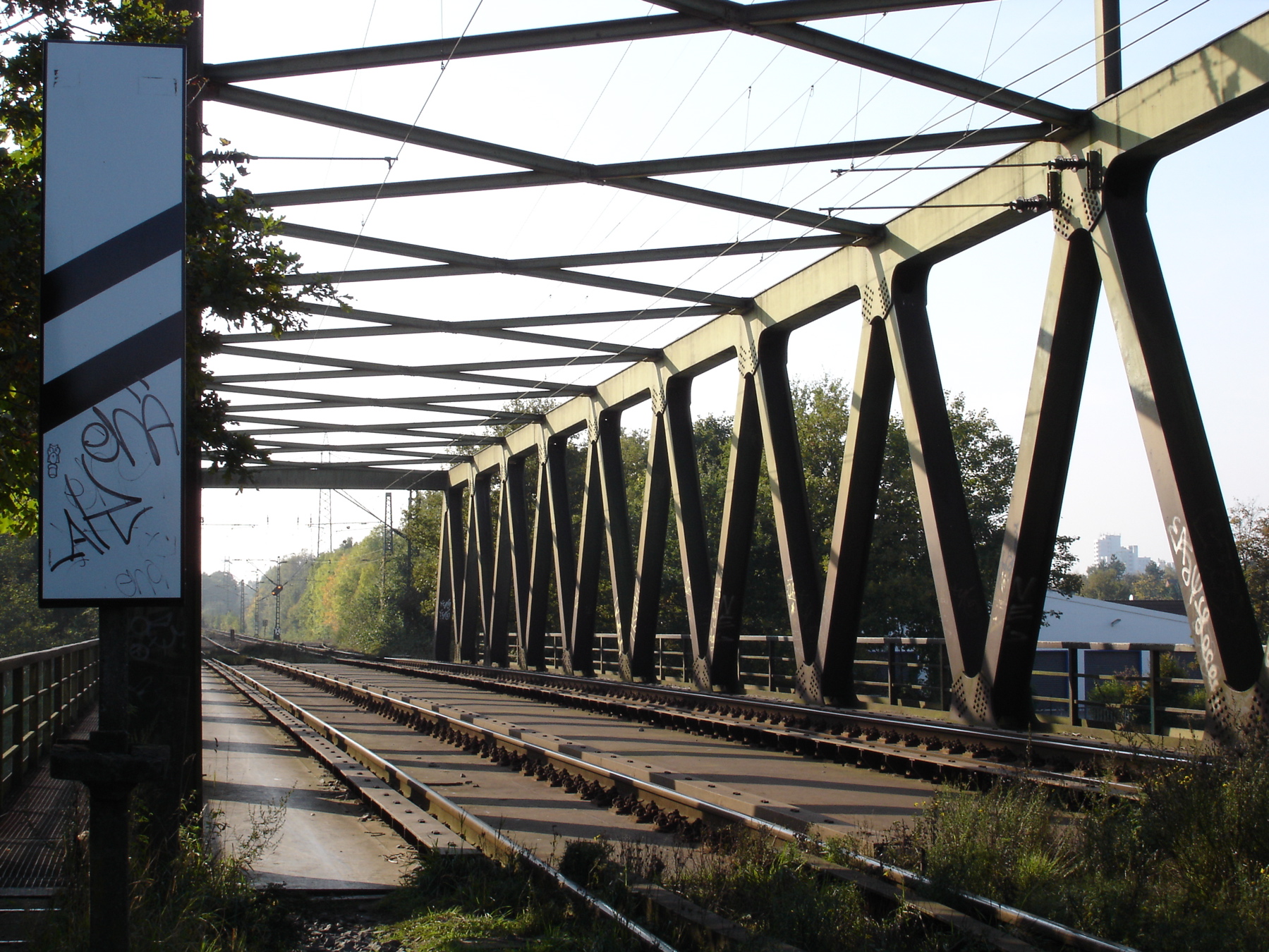
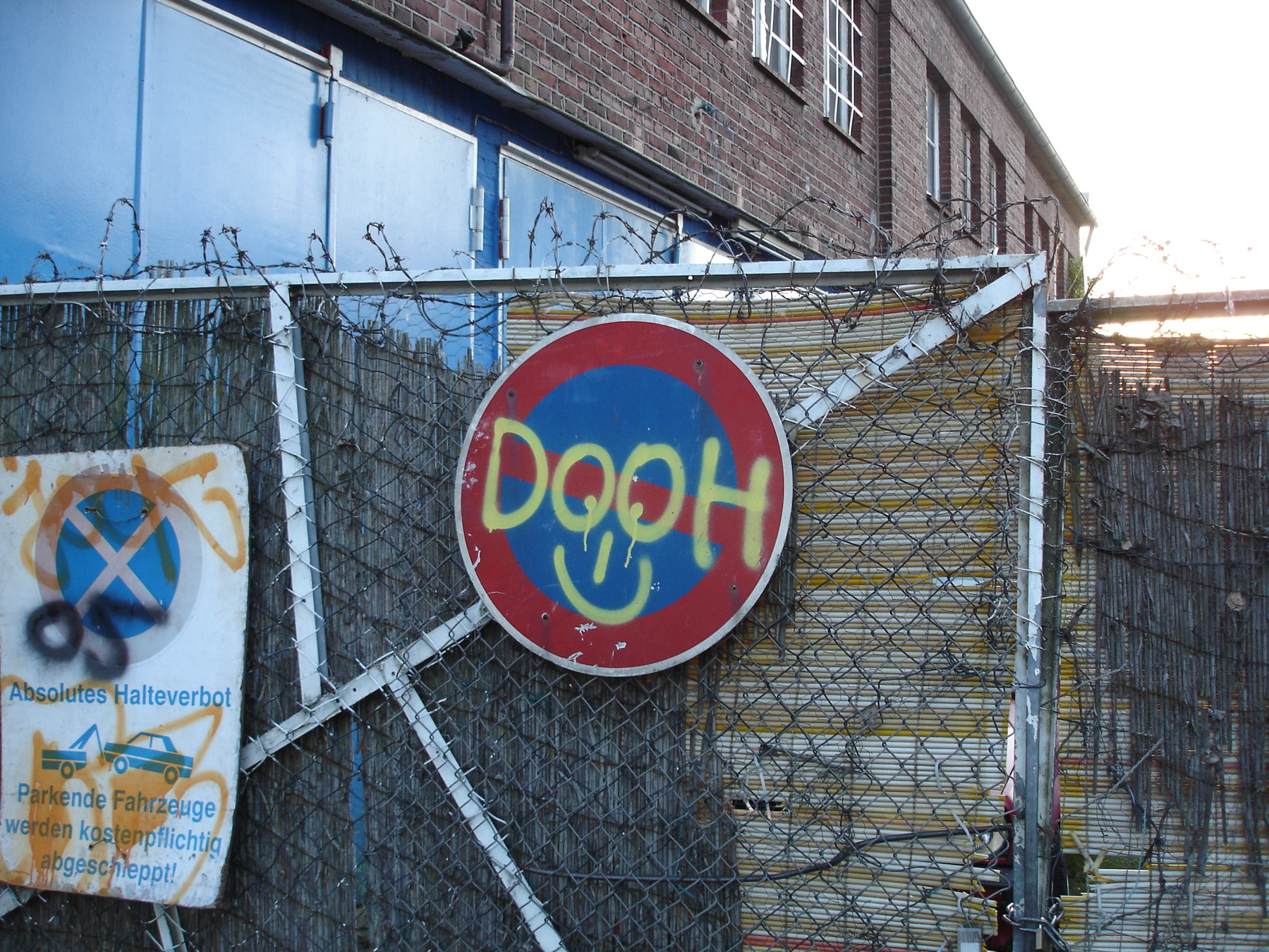
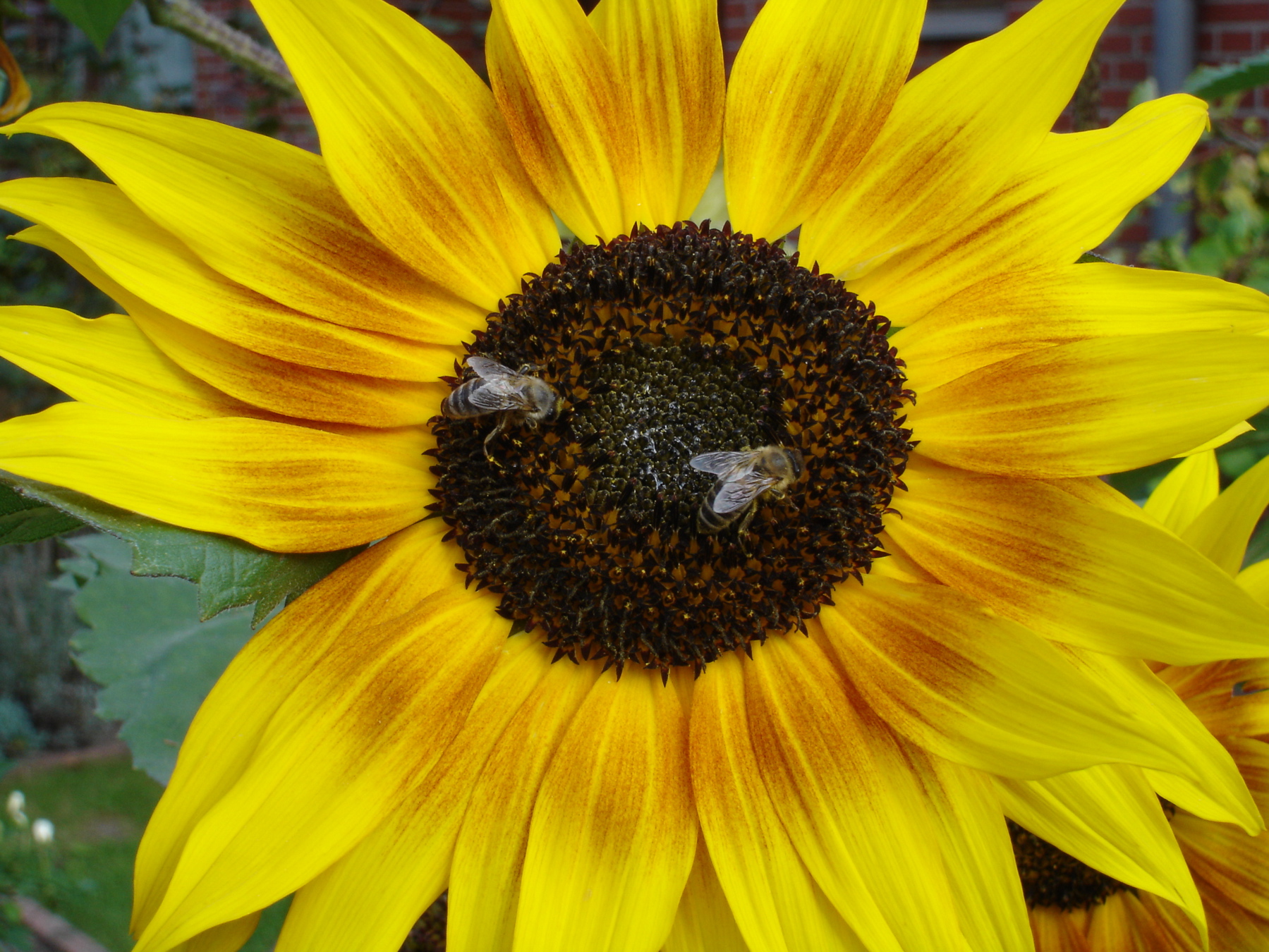
Walking along the canal and captured a few impressions:
From creativepro.com - Stripping Raw Naked - an interview with the maker of Aperture:
JS: It depends on what you do with Aperture. I mostly run it on my 15-inch PowerBook. That's not to say that I don't enjoy the refreshing wind-blowing-through-my-hair feeling when I sit down in front of a G5 running Aperture. But a PowerBook is fine for what a lot of photographers do in the field with their laptops: browse images quickly and step through the thumbnails. Maybe tag the images they like, maybe zoom in closely on one. The photo edit stage. For that, a PowerBook does take a speed hit, but it's totally usable.
This is where our scheme of loading a proxy image comes in -- the 1024 proxy is often all I need to see at this stage. Depending on how many megabytes each image is, Aperture on a G5 can load the full Raw image in less than a second. On my PowerBook, that same image may take three to four seconds to load fully.
For heavier duty image processing, faster GPUs and multiple processors are of huge benefit. Aperture does make extensive use of dual processors, but you do not need a Quad [a new model from Apple that has two dual-core processors].
That sounds more usable - if a 15" PowerBook is actually considered operable.
Unfortunately, but Agfa is probably history now: AgfaPhoto cannot be saved. Even if someone buys the name now, it won't be Agfa anymore. No more APX. It's kind of a strange feeling.
It's been announced, and now it's here - Aperture. By Apple. The video about it is nice, and it looks very useful, what they've done. And I would even let myself be persuaded to pay the almost 500 Euros - okay, Photoshop updates would be cheaper for me, but Aperture is built with a focus on RAW and Photoshop only has a RAW importer. But what really bothers me: the hardware requirements. The programmers have lost their marbles.
Yes, photo editing needs memory - after all, it's a lot of data. And you need decently powerful hardware for using filters. And yes, a fast graphics card is useful. But the minimum requirements for Aperture are already partly beyond belief - especially since we know how these minimum requirements will work - probably as well as Mac OS X with 256 MB of memory ...
Sorry, but photo editing is not rocket science and not weather simulation - what is this completely exaggerated resource demand of the software? Have today's programmers completely forgotten how to optimize?
Man, I scanned and processed an entire film with Photoshop 5 on an Apple with 128 MB of RAM and a 275 MHz 603e CPU not so long ago. Of course, RAW images are larger - but why should a photo editing program require a dual G5? Ridiculous. Delusions of grandeur.
So I'll probably just continue working with Photoshop 7, even if the Open Dialog still crashes under Tiger. At least it works decently on my nice, old 12" Powerbook (yes, the one with 867 MHz and only 640 MB of memory). It's enough for my purposes, I don't want to shell out several thousand Euros just to be able to start the photo editing program ...
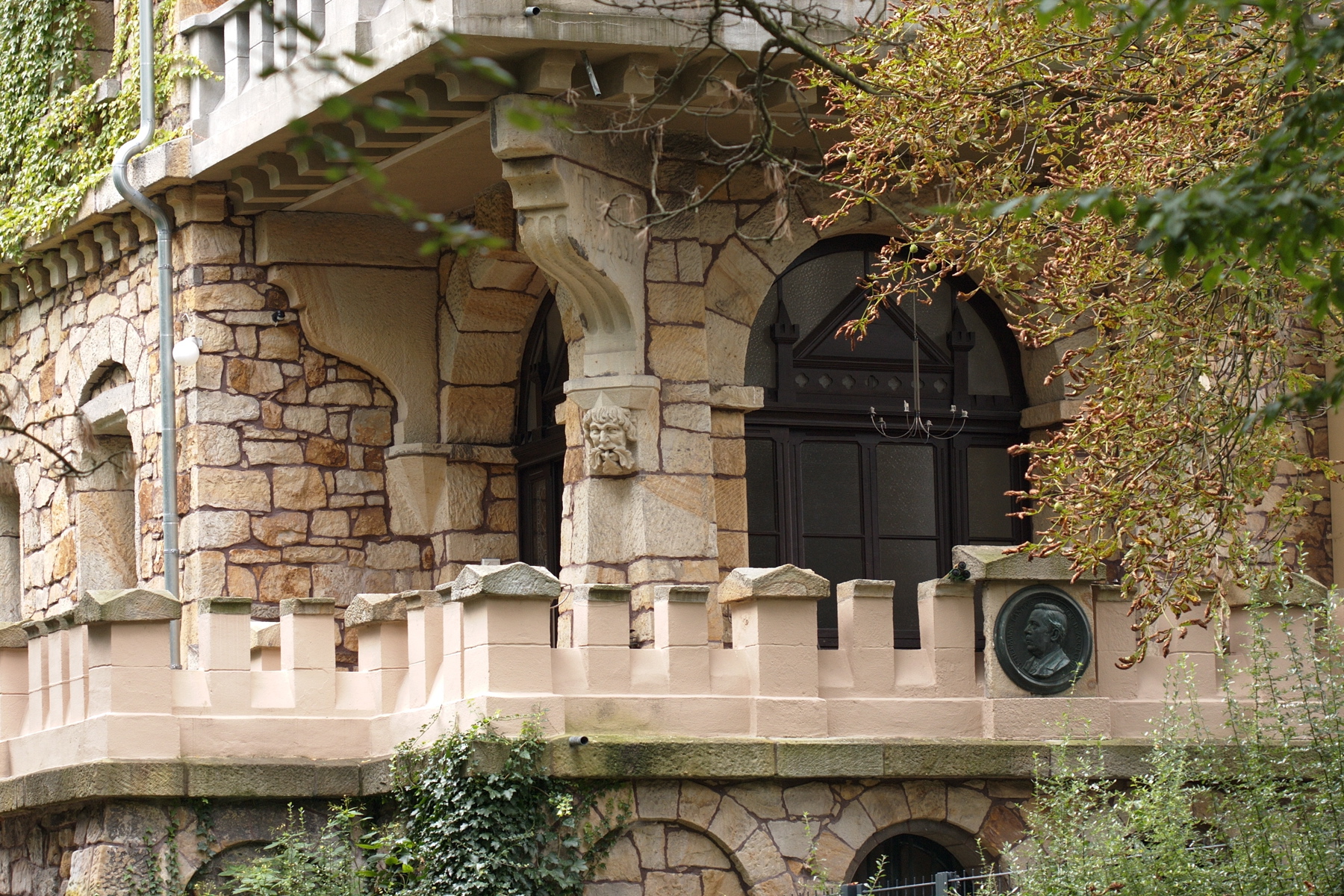
The Tuckesburg was the retirement home of Professor Landois. In the Middle Ages, it was the workplace of the executioner, where, among others, wealthy citizens and nobles were executed.
Leica has a successor for the D-LUX in the works: the D-LUX 2. The name may be boring, but the specifications sound nice - 16:9 format, wide-angle setting of the lens equivalent to 28mm on full-frame, 8 megapixels, image stabilizer, manually adjustable aperture and shutter speed, RAW format.
That's not particularly exciting yet, but it has again what the old Digilux 1 had, but the Digilux 2 did not: an adapter for the Leica Spective. Which makes it interesting for Jutta again.
However, it will likely also get a Leica-typical price ...
Well, the rumors were spot on regarding the Canon EOS 5D - unfortunately also regarding the price. A few hundred euros less would have been nicer. The technical specifications still sound great even the second time around. Now I just need to somehow convince my bank account to take on the right sign and change color.
The rumors about the Canon EOS 5D already sound quite interesting - a full-frame sensor camera for 3500 could certainly tempt me. The previous contenders in the full-frame sector were just outrageously expensive (yes, the 5D is too, but the utopia has come a bit closer).
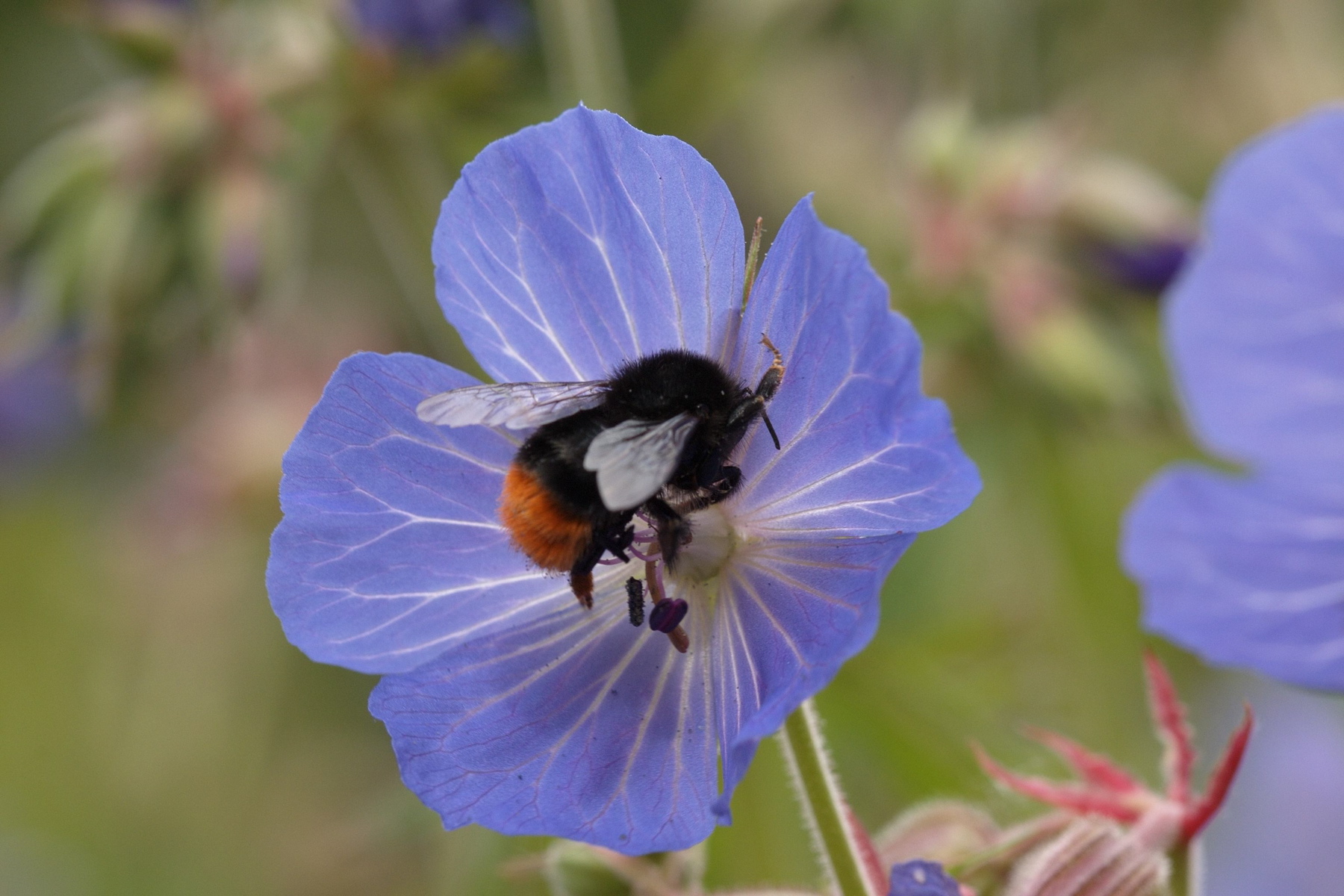
Today I spent my lunch break with my camera and macro lens at the Botanical Garden. There are a few more photos to see at hugoesk.de. And the glorious rest on viele-bunte-bilder.de (no longer online). (And yes, my lunch breaks happen at strange times and in strange forms - at least when I work from home)
A nice collection can be found at Digital Outback Photo - some of the lenses I already have (the 50/2.5 Macro and the 100/2.8 Macro), a few I plan to add to my collection in the long run.
Photon is a very nice iPhoto plugin that allows you to easily post pictures from iPhoto to a MetaWeblogAPI-compatible blog (e.g. WordPress). The pictures that were just uploaded come from it. Photon uses the image data in iPhoto, so you finally have something to give your pictures titles (with Snail ... I did it wrong - that's why the link is so cryptic). I like the plugin ... What doesn't work quite right again is using it with my own photo blog on hugoesk.de - there I use my own WordPress plugin that manages all the metadata. Let's see if I can hack something together that automatically adds the missing metadata (e.g. EXIF data and photo assignment) from MetaWeblogAPI posts via Photon, or if I will continue to work classically with file export from iPhoto and subsequent upload. By the way, the two uploaded photos were previously RAW images - iPhoto handles the RAWs of the 10D very well. And the new editing window in iPhoto is also quite usable. However, iPhoto has a stupid bug: it only writes reduced EXIF data to the JPG when exporting to disk. The aperture, time, and focal length are included - but the original date is missing. Quite annoying when the target software generates an entry date from it (as hugoesk does). In addition, iPhoto only imports the .CRW files, not the .THM files (which store additional setting data). On the one hand, these data are missing in iPhoto, and on the other hand, memory cards gradually fill up because the .THM files remain and take up space. At least when you use the delete originals option in iPhoto. I definitely have too many photo management systems in use.
I've treated my 10D with a Canon 100mm macro lens - really a fine lens. I've uploaded a few results from my first experiments with it to hugoesk.de. I'm already quite satisfied with them - especially considering that they were all taken handheld. The 100mm on the 10D has a field of view similar to a 160mm lens and is therefore a nice medium telephoto focal length for me - comparable to the 180/2.8 on my Contax. Thus, it is very flexible to use and, in my opinion, worth the money. However, my previous 50mm macro won't become unemployed, even though it only goes up to 1:2: it is simply much smaller and therefore great as an all-round lens.
Kodak confirm SLR/n and SLR/c discontinued - after Kodak was one of the first to build digital SLRs, and not even bad ones, it's now probably over. Ok, the SLR/n and SLR/c do make rather bad impressions, compared to current SLR bodies from Canon or Nikon. Earlier Kodaks like the 6xx and 7xx series were really great devices.
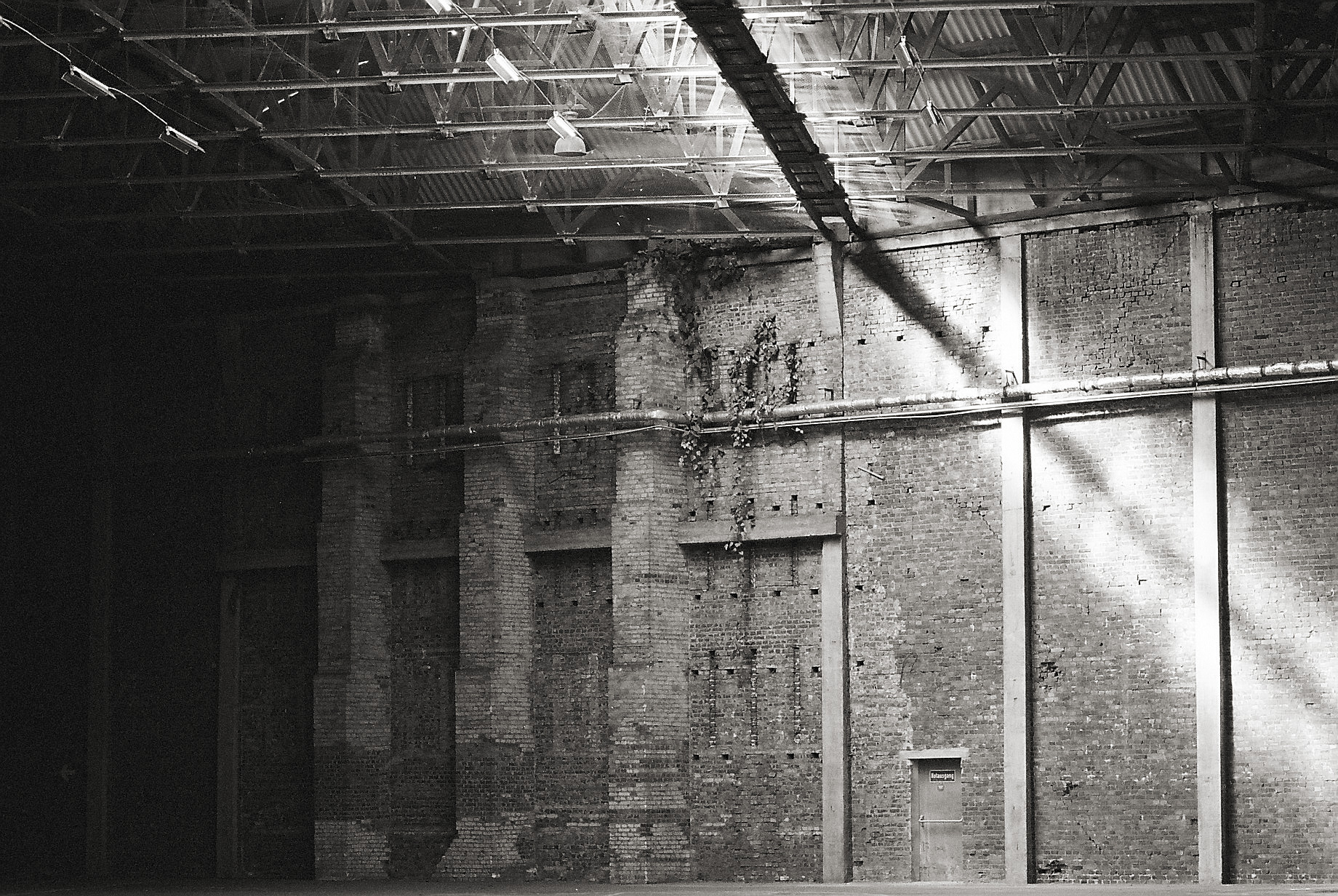
More pictures from the Stadthafen Münster can be found on one of my many (too many?) gallery pages.
Agfa-Photo GmbH goes into insolvency - oh man
The promised pictures I have put on my picture gallery (meanwhile - 2007 - out). In any case, a small selection of the pictures - the whole 208 I did not want to inflict on you.
Update: I have put a selection of the pictures (not all 200 - but over a hundred) on viele-bunte-bilder.de (also since 2007 out). There you can also watch a slideshow in the browser.
Since both are out, you can't see anything anymore. Maybe I will put it somewhere else sometime. Or maybe not.
Leica has a brand new lens. A 75/2 APO Asph. - looks really very cute. Nice and compact, built-in lens hood (which you can finally lock so it doesn't push in) and of course the usual Leica quality. Unfortunately, the purchase resistance with just over 2000 Euros is then a bit large. But especially for owners of the classic 0.72x viewfinder magnification, this is of course an interesting lens: it offers the 75mm focal length with a still focusable wide-open aperture and is significantly lighter and smaller than the 75/1.4. Why bother with the 75/1.4 behemoth if you can't use the f/1.4 aperture on the camera anyway because the focusing accuracy of the rangefinder isn't sufficient...
The crazy thing is: I hadn't heard any rumors about the device beforehand (ok, I only rarely read the Leica Users Group anymore - but none of the photo sites had anything either) and Leica doesn't have anything on the websites. But the thing is already in the store (no, I didn't buy it - the purchase resistance...).
Apparently, Leica wants to renovate some of the old gems - first the 90/4 Macro, then the 50/1.4 and now a 75/2. Quite impressive - of course, due to Cosina and the Voigtländer lenses, it's important that Leica shows some activity, but still, you don't just pull new lens designs out of your sleeve - there's a lot of work involved.
Fortunately, my Leica equipment is very close to perfect condition (50/2.8 and 90/4 collapsibles - I'm only missing the macro adapter for the 90mm and possibly, in the long run, a 35/2) and I'm therefore not really at risk of Leica temptation at the moment.
OpenRAW - Digital Image Preservation Through Open Documentation aims to focus on open documentation (and promoting this with manufacturers). This is an important topic, especially in light of Nikon's stupid decision to encrypt parts of the RAW format (thus ultimately making its use in free software legally problematic due to the need to crack the copy protection). I've already written about this: the digital negatives belong to the photographer, not the camera manufacturer. Everything must be done to provide the photographer with all the information contained within - without any encryption nonsense and without the obligation to use any silly manufacturer programs (which, in the worst case, are not even available for the operating system used).
An interesting parallel is drawn on the website: can anyone imagine that film manufacturers would have kept the data for film development secret? That Agfa or Kodak or whoever else would not have provided development documentation with their films, allowing the photographer to develop the film themselves?
Nikon's attempt to control and regulate RAW software and dictate what a photographer can do with their image data is similar to this stupid approach. And hopefully - if necessary through the market - doomed to fail. Because if this way of thinking were to prevail, we would eventually have digital negatives where the camera manufacturers dictate how many prints we can make from our own image ...
Nikon responds to the discussion about the encrypted RAW WB data - and only proves that they don't understand. Sorry, but the whole thing is full of arrogance and self-congratulation, but doesn't say anything else than that customers who bought a professional camera are bullied in their choice of software by Nikon.
If everything is really so professional and great and good: why does even Adobe have problems? Maybe because Nikon doesn't keep up with their silly promises?
And what about open source software - should photographers who bought a Nikon camera be excluded from open source due to absurd ideas of professionalism at Nikon? The result instead is the confirmation of all prejudices against RAW formats (proprietary, not future-proof).
Really professional would be the complete documentation of the NEF format, so that the RAW format is not a dead end for the photographer.
Contax – RIP or Resurrection - Thoughts on what could happen to Contax after Kyocera's withdrawal. Specifically, the 645 system is mentioned here, as it was allegedly developed by Zeiss and Kyocera was only the manufacturer - if this is the case, Zeiss could find another partner for production. Unfortunately, the 645 system is beyond good and evil for most financial possibilities ...
Nikon Encrypts D2X and D2Hs White Balance Data - they really have a screw loose. What's the point of encrypting the image data so that the user is forced to use the camera manufacturer's software to read it? It's not as if Nikon makes money from selling software - they earn (and not badly) from the cameras. And especially with professional cameras, such paternalism towards the user is just brainless nonsense. The image data belongs to the photographer - and all of it, not just the parts that Nikon kindly leaves unencrypted ...
Opening of the House of Photography in Hamburg - then a visit to Hamburg will probably be due again ...
It is now official: Contax brand comes to an end. No sale to another, no continuation - the name Contax as a camera brand is gone from the market for now. Maybe Zeiss (who probably own the name Contax themselves and only licensed it) will find someone else for it - the Contax rangefinder camera (not the G series, but the new one based on the Voigtländer device) already has another partner. But the Contax we have known since the late 70s is now history.
Found in Netzbuch: Cameropedia - a wiki with camera information.
News from the God of Camera Lens Cross-Adapters: an adapter from SLR bayonet to Leica M with rangefinder coupling. Crazy: you focus with the adapter and read the distance from the adapter and transfer this distance setting identically to the SLR lens. So only a half coupling, but better than nothing.
Okay, I wouldn't want to focus a 100/2.0 from Zeiss on my M at full aperture, but for the usual suspects this whole thing could be quite practical. You save the purchase of a rather expensive Leica lens in some cases.
On the other hand, the adapter costs $325, which is a bit much just to use such exotic combinations. And in some cases it's simply better to get the cheaper Voigtländer lenses.
The idea is just so crazy that it's good again.
Epson R-D1 Review - I think I already said it, but does anyone have 3000 dollars for me?
The review of the HP Photosmart 8750 Photo Printer sounds quite good - well, the speed less so (13 minutes for an A3+ print is quite a lot), but time is my least concern when printing. And built-in networking is very nice - we have several computers to connect after all.
The SimCam: Film and Digital Camera Simulator is a camera simulation for photography beginners: you can play around with aperture and shutter speed and take virtual photos and then see how the result looks. Relationships such as depth of field, camera shake, correct exposure, film speed, etc. become directly tangible, even without a camera. Fun idea.

The first ladybug of the year. There are a few more pictures in my new photoblog (not active since 2007). By the way, it also works with WordPress, but with a few self-knitted plugins for photo management and the strip calendar (I'll put that together someday and make it downloadable). I'm already quite satisfied with the state over there. In the long run, I will probably create a mechanism that allows the photos to wander into this site here as thumbnails and then post pictures here rather rarely (at most the usual snapshots).
Why did I build something myself at all? Well, I find a number of features of Flickr quite nice, but I have a massive aversion to entrusting my content to foreign servers where I have no say in the operation or software design. Therefore, I have stolen some of the ideas from Flickr and also helped myself generously from other projects (for example, I copied the idea for the strip calendar from PixelPost) and integrated everything into WordPress. The layout was once Kubrick, but I hope it has become sufficiently different from it even for Kubrick allergics.
I had also looked at a whole range of content management systems beforehand to see how suitable they would be for something like this (you could read about the fallout from this partly here). And even toyed with the idea of doing the whole thing directly with PixelPost for a while. But the clearly superior comment features in WordPress (especially all the anti-spam techniques) eventually led me to stay with WordPress.
A few things are still on the to-do list, but in principle it is already quite usable and is therefore officially announced herewith.
For the Münster locals: Köster near the train station is selling Contax N1 equipment (bodies, lenses) at quite good prices. These are likely remainder stock from the dissolution of Contax Germany. Since Kyocera is exiting the photography business and thus Contax is at an end for now, this could be the last opportunity to acquire one or the other lens. The lenses are manufactured by Zeiss and also serviced by Zeiss...
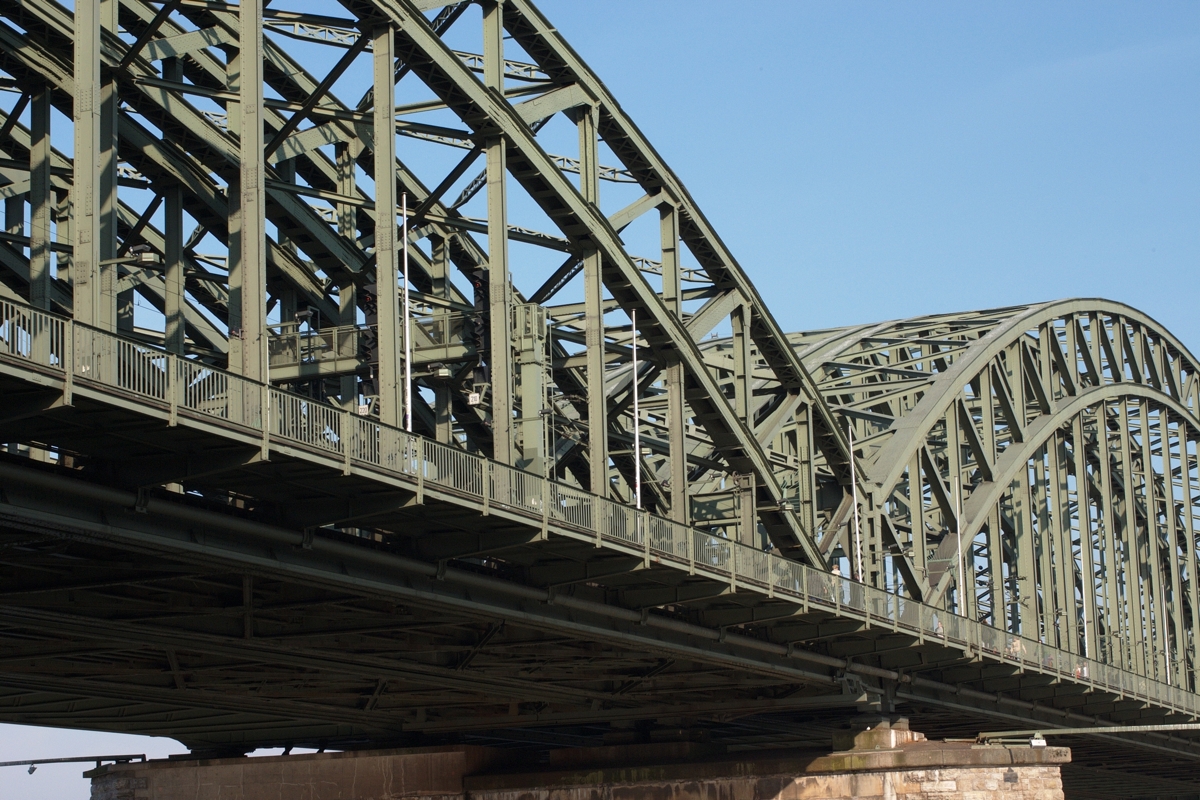
On Tuesday, I spent a day in Cologne taking photos. Some of them are now online - but since I shut down the corresponding site in 2007, they are no longer available.
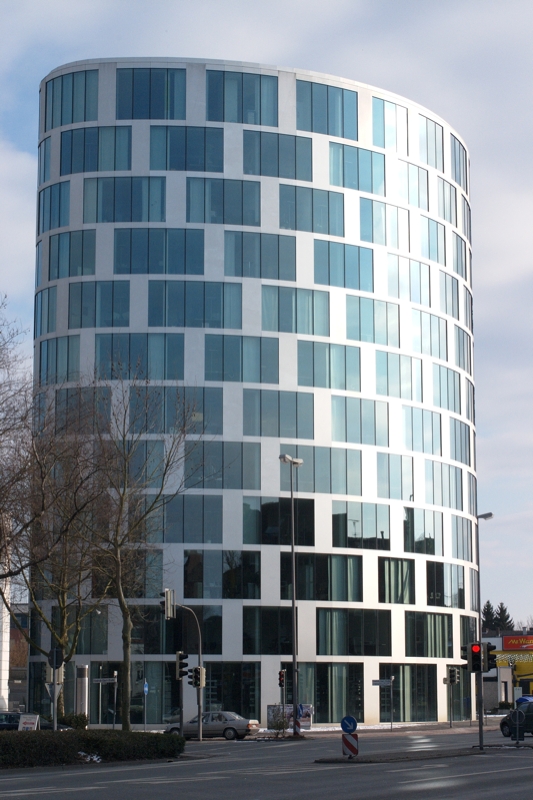
A very crooked dog, the tower. Somehow, you can photograph it however you want, it always looks crooked. This is because the base of the tower is an oval and the windows are not always the same on the floors. Somehow it always looks like a spiral, but they are just normal floors. Many partition walls probably don't have offices ...
Iridient Digital - RAW Developer - wow. I am thrilled. I have already looked at many RAW photo editing software. But the RAW Developer is absolutely brilliant. A rather sleek interface, sensible features and incredibly fast.
So far, with almost every software except the Canon software, I have stumbled upon a certain image from my collection - it was displayed incorrectly by all, with completely shifted green tones (rather all yellow instead of green). With the RAW Developer it works - and the results look just as good as with the standard software from Canon. But the operation is much more agile.
Also very nice: unlike the Canon software, you can pass a series of marked images to the program via AppleEvent - the RAW Developer thus integrates absolutely comfortably into iView Media Pro. Much better than the Canon software, which would then only display the appropriate folder, but not directly only the selected images.
Additionally, it has the advantage that it is the only software I have found so far that can handle the old Kodak DCS RAW images - all others could read the newer RAW formats from Kodak, but not the old ones - and I still have those from my rather short interlude with the DCS 520 on my hard drive.
65 euros is not a small amount of money (especially for a pure auxiliary tool), but if you work a lot with RAW images and possibly with different cameras, then the investment is worth it in my opinion. Because you don't constantly have to fiddle with different programs and the speed is simply great - and even if it's just a hobby for me, slow software is still annoying.
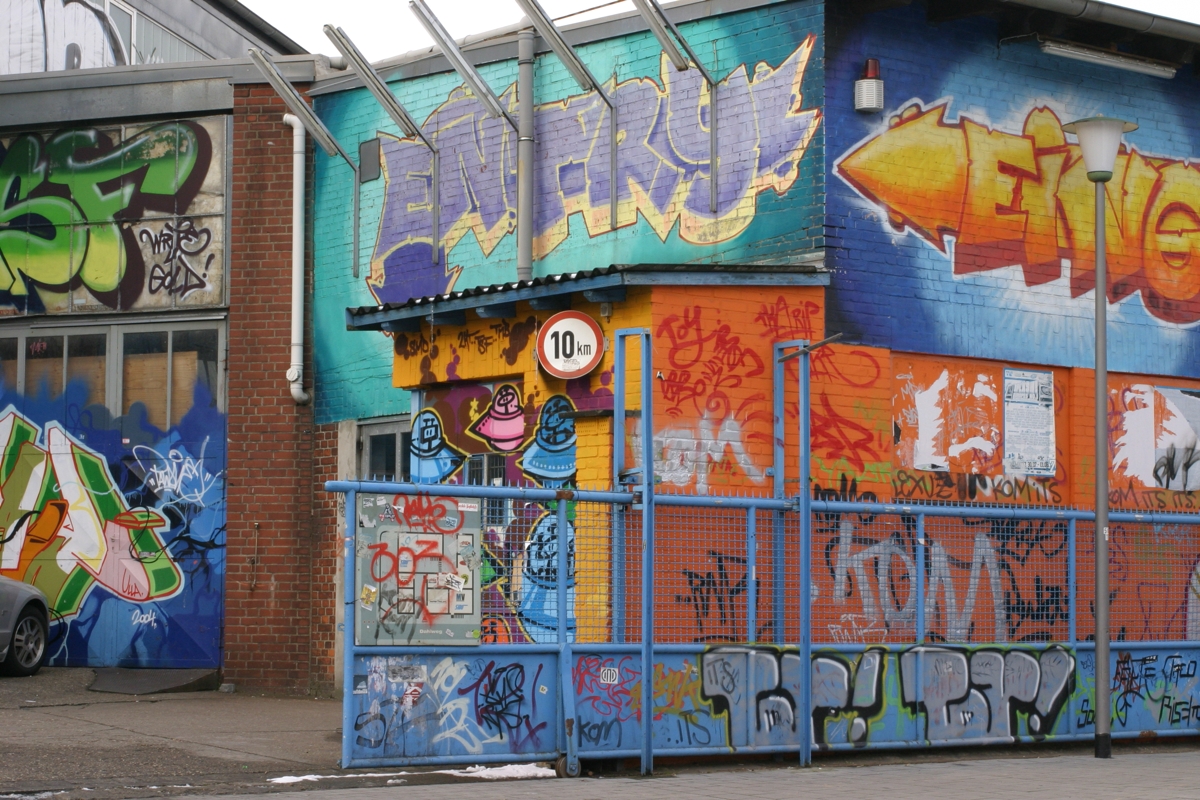
The Skaters Palace is sprayed with graffiti and is a beautiful splash of color in an otherwise bleak area. If you continue from there to Agravis, you walk along a wall full of graffiti.
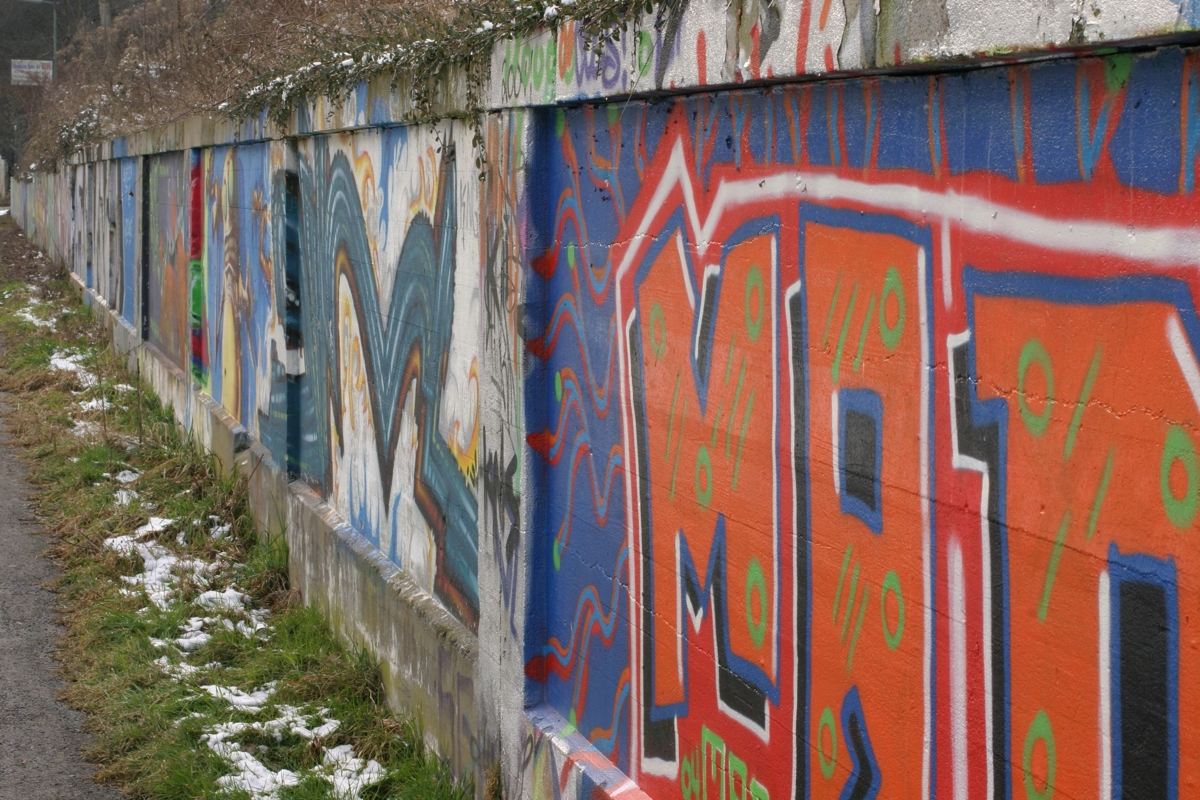
Here too, the colors are a wonderful contrast to the rather bleak industrial area. Even the plants in the area seem rather depressed - only the colors of the wall stand out. If you walk further to the canal and look at the Agravis silo, you will then be presented with the art.
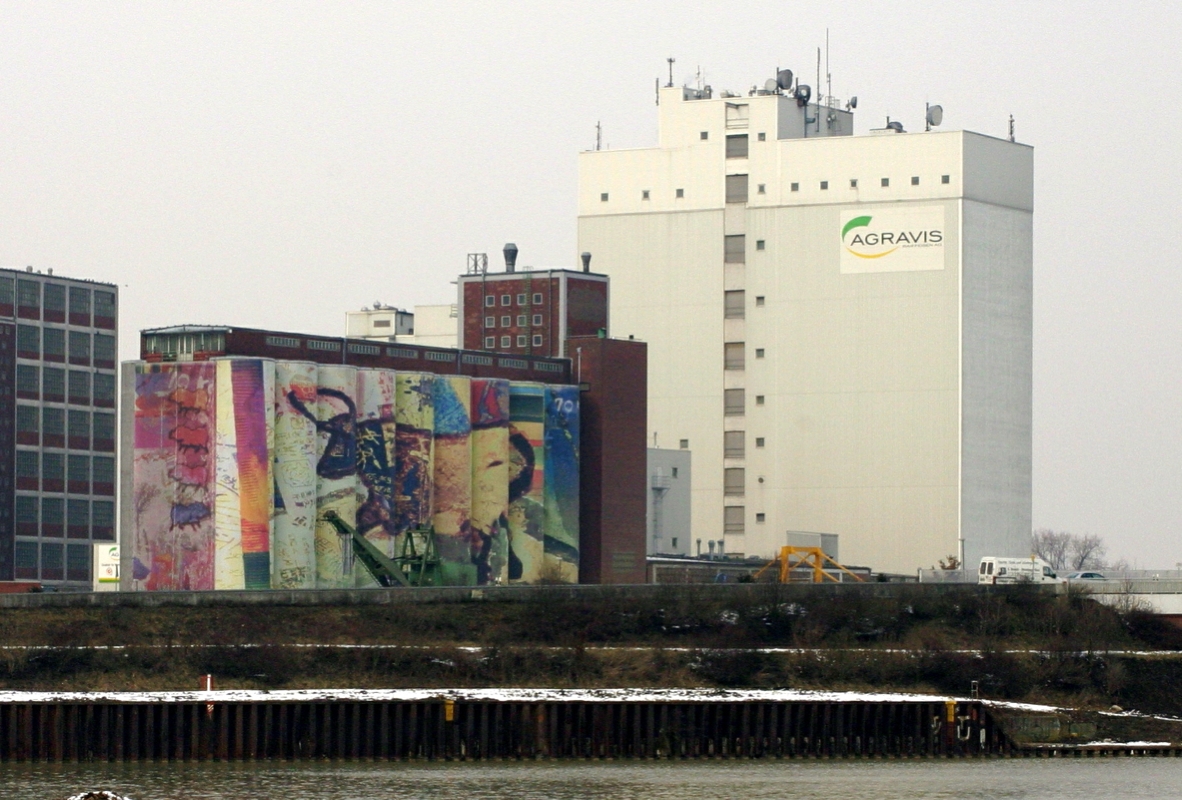
Somehow I have the impression that the company would rather have spent the money on a decent, safe scaffolding and colors for the sprayers - the result would interest me far more than the colorful rags that were nailed to the silo ...